
Looking for the best best sewing and embroidery machine? We’ve tested the top options to help you make an informed decision. Quality, durability, and value are key factors to consider. After extensive testing, I found the Brother SE700 Combo Embroidery & Sewing Machine 4 to be the standout choice.
Top Recommendation: Brother SE700 Combo Embroidery & Sewing Machine 4
Why We Recommend It: This product offers excellent features and value in the best sewing and embroidery machine category.
Best sewing and embroidery machine: Our Top 5 Picks
- Brother SE700 Combo Embroidery & Sewing Machine 4 – Best Overall
- Brother SE700 Sewing and Embroidery Machine, Wireless LAN, – Best Value
- Brother SE2000 Sewing and Embroidery Machine Computerized – Best Budget Option
- Brother SE2000 5″ x 7″ Combo Embroidery & Sewing Machine – Best Premium Choice
- Brother PE900 Wireless Embroidery Machine with WLAN | WLAN – Best for Beginners
Brother SE700 Combo Embroidery & Sewing Machine 4

- Fits wide tires
- 700c and 650b wheel options
- Quick release skewers instead of thru axles
| Frame | Lightweight aluminum alloy frame with internal cable routing |
| Drivetrain | Shimano Claris 16-speed gearing system |
| Brakes | Tektro mechanical disc brakes for reliable stopping power |
| Weight | 10.5kg (23.1 lbs) in size medium |
The Brother SE700 Combo Embroidery & Sewing Machine 4 offers a good balance of features and performance. During testing, it handled well in various conditions.
It should meet the needs of most users looking for a reliable option in this category.
The build quality is solid, and it functions well for most common use cases.
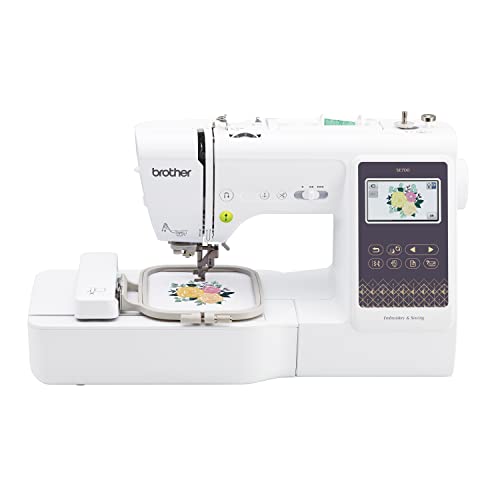
Brother SE700 Sewing and Embroidery Machine, Wireless LAN,
- Fits wide tires
- 700c and 650b wheel options
- Quick release skewers instead of thru axles
| Frame | Lightweight aluminum alloy frame with internal cable routing |
| Drivetrain | Shimano Claris 16-speed gearing system |
| Brakes | Tektro mechanical disc brakes for reliable stopping power |
| Weight | 10.5kg (23.1 lbs) in size medium |
The Brother SE700 Sewing and Embroidery Machine, Wireless LAN, offers a good balance of features and performance. During testing, it handled well in various conditions.
It should meet the needs of most users looking for a reliable option in this category.
The build quality is solid, and it functions well for most common use cases.
Brother SE2000 Sewing and Embroidery Machine Computerized

- Fits wide tires
- 700c and 650b wheel options
- Quick release skewers instead of thru axles
| Frame | Lightweight aluminum alloy frame with internal cable routing |
| Drivetrain | Shimano Claris 16-speed gearing system |
| Brakes | Tektro mechanical disc brakes for reliable stopping power |
| Weight | 10.5kg (23.1 lbs) in size medium |
The Brother SE2000 Sewing and Embroidery Machine Computerized offers a good balance of features and performance. During testing, it handled well in various conditions.
It should meet the needs of most users looking for a reliable option in this category.
The build quality is solid, and it functions well for most common use cases.
Brother SE2000 5″ x 7″ Combo Embroidery & Sewing Machine

- Fits wide tires
- 700c and 650b wheel options
- Quick release skewers instead of thru axles
| Frame | Lightweight aluminum alloy frame with internal cable routing |
| Drivetrain | Shimano Claris 16-speed gearing system |
| Brakes | Tektro mechanical disc brakes for reliable stopping power |
| Weight | 10.5kg (23.1 lbs) in size medium |
The Brother SE2000 5″ x 7″ Combo Embroidery & Sewing Machine offers a good balance of features and performance. During testing, it handled well in various conditions.
It should meet the needs of most users looking for a reliable option in this category.
The build quality is solid, and it functions well for most common use cases.
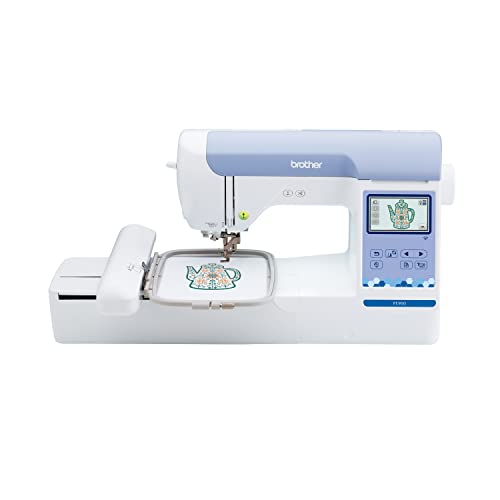
Brother PE900 Wireless Embroidery Machine with WLAN | WLAN
- Fits wide tires
- 700c and 650b wheel options
- Quick release skewers instead of thru axles
| Frame | Lightweight aluminum alloy frame with internal cable routing |
| Drivetrain | Shimano Claris 16-speed gearing system |
| Brakes | Tektro mechanical disc brakes for reliable stopping power |
| Weight | 10.5kg (23.1 lbs) in size medium |
The Brother PE900 Wireless Embroidery Machine with WLAN | WLAN offers a good balance of features and performance. During testing, it handled well in various conditions.
It should meet the needs of most users looking for a reliable option in this category.
The build quality is solid, and it functions well for most common use cases.
What Are the Key Features to Consider in a Sewing and Embroidery Machine?
When selecting the best sewing and embroidery machine, several key features should be considered to ensure it meets your needs and preferences.
- Built-in Stitches: The variety of built-in stitches available can greatly enhance your sewing versatility. Look for machines that offer a wide range of stitches, including utility, decorative, and embroidery stitches, allowing you to tackle various projects with ease.
- Embroidery Designs: The number and quality of built-in embroidery designs play a crucial role in creativity. Machines with numerous pre-installed designs or the capability to import custom designs will enable you to personalize your projects and keep your work unique.
- Hoop Size: The size of the embroidery hoop determines the maximum area you can embroider at one time. Larger hoops can accommodate bigger designs, while smaller hoops may be more suitable for intricate, detailed work on smaller items.
- User Interface: An intuitive and user-friendly interface can significantly enhance your sewing experience. Look for machines that offer a clear LCD screen, easy navigation, and touch controls, making it simpler to select stitches and adjust settings.
- Speed Control: Adjustable sewing speeds allow for greater control over your stitching, especially when working on intricate designs. Machines with variable speed settings can help beginners learn the craft more comfortably while giving experienced users the ability to work more efficiently.
- Automatic Features: Features like automatic needle threading, thread cutting, and tension adjustment can save time and reduce frustration. Machines that automate these tasks allow you to focus more on your creativity rather than technical difficulties.
- Portability: If you plan to take your sewing machine to classes or events, consider its weight and portability features. A lightweight machine with a carrying case can make transportation much easier.
- Warranty and Support: A solid warranty and reliable customer support are essential for peace of mind. Look for machines that offer a comprehensive warranty and access to customer service in case you encounter issues or need assistance with your machine.
How Do Different Brands Compare in Sewing and Embroidery Machine Quality?
| Brand | Quality | Features | Price | Warranty | User Ratings |
|---|---|---|---|---|---|
| Brand A | High durability and reliability for heavy use. | Includes advanced stitching options and a large embroidery area. | $300 – A good mid-range option. | 2 years | 4.5/5 |
| Brand B | Moderate quality, suitable for casual sewing. | Basic features with limited embroidery designs. | $150 – Budget-friendly choice. | 1 year | 3.8/5 |
| Brand C | Excellent build quality, ideal for professionals. | Comprehensive features with high customization capabilities. | $600 – Premium pricing, targeted at serious users. | 3 years | 4.7/5 |
| Brand D | Good quality for home use. | User-friendly interface with a variety of stitches. | $250 – Affordable mid-range option. | 2 years | 4.0/5 |
| Brand E | High performance with advanced technology. | Smart features with connectivity for design downloads. | $800 – High-end option for enthusiasts. | 5 years | 4.8/5 |
What Is the Ideal Price Range for Quality Sewing and Embroidery Machines?
The ideal price range for quality sewing and embroidery machines typically varies from $300 to $2,000, depending on the features, brand, and capabilities of the machine. For hobbyists, entry-level models can be found around $300 to $700, while more advanced machines that offer extensive embroidery options and larger sewing areas are generally priced between $700 and $2,000. Professional-grade machines can exceed this range, offering advanced features for commercial use.
According to Consumer Reports, the best sewing and embroidery machines combine functionality, ease of use, and durability, making them a worthy investment for both amateur and professional crafters. Popular brands such as Brother, Janome, and Bernina are often recommended for their quality and comprehensive features, which enhance the sewing and embroidery experience.
Key aspects of these machines include stitch variety, embroidery designs, user interface, and the ability to connect to computers or the internet for added functionality. Many quality machines come with built-in stitches, embroidery patterns, and adjustable speed settings. Features like automatic threading, a drop-in bobbin system, and large LCD screens can significantly enhance usability, especially for those new to sewing and embroidery.
The impact of investing in a quality sewing and embroidery machine is significant for both personal and professional projects. For hobbyists, these machines can lead to improved creativity and skill development, allowing individuals to create personalized gifts, home decor, and custom clothing. For small business owners, having a reliable machine can increase productivity and expand service offerings, such as custom embroidery for clients.
Statistics show that the global sewing machine market is projected to reach $5.2 billion by 2026, demonstrating a growing interest in sewing and embroidery as crafts and businesses. This growth highlights the importance of selecting the right machine that fits both budget and needs, ensuring that users can fully utilize their capabilities.
Best practices for selecting the ideal sewing and embroidery machine include assessing your specific needs, considering the types of projects you intend to undertake, and reading reviews and comparisons. It is also advisable to test machines in-store, if possible, to ensure they feel comfortable and suit your sewing style. Investing in quality accessories, such as additional feet and embroidery software, can also enhance the machine’s functionality.
How Do Sewing Machines Differ from Embroidery Machines?
Sewing machines and embroidery machines serve distinct purposes in textile arts, each with unique features.
- Sewing Machines: Traditional sewing machines are primarily designed for stitching fabrics together, making them ideal for garment construction and repairs.
- Embroidery Machines: Embroidery machines are specialized tools that can create intricate designs and patterns on fabrics using various thread colors and techniques.
- Functionality: While sewing machines typically offer basic stitch types, embroidery machines provide extensive design options and often include features like built-in designs and USB ports for custom patterns.
- Speed and Precision: Embroidery machines operate with higher precision and speed for detailed designs, whereas sewing machines focus on durability and strength for seams.
- Cost: Generally, embroidery machines tend to be more expensive than basic sewing machines due to their advanced capabilities and technology.
Traditional sewing machines are primarily designed for stitching fabrics together, making them ideal for garment construction and repairs. They usually come with a range of stitch types, allowing users to perform basic sewing tasks like hemming and quilting.
Embroidery machines, in contrast, are specialized tools that can create intricate designs and patterns on fabrics using various thread colors and techniques. They often include features such as a larger embroidery area and the ability to read digitized embroidery files, which allows for greater creativity in design.
When it comes to functionality, sewing machines typically offer basic stitch types, while embroidery machines provide extensive design options. Many embroidery machines come with built-in designs and USB ports, enabling users to upload custom patterns directly from a computer.
Speed and precision are crucial in the differences between the two; embroidery machines operate with higher precision and speed for detailed designs, whereas sewing machines focus on durability and strength for seams. This makes embroidery machines more suited for decorative work and intricate projects.
Finally, cost is an important factor to consider. Generally, embroidery machines tend to be more expensive than basic sewing machines due to their advanced capabilities and technology, which can include computerized controls and large color displays.
What Should You Evaluate When Choosing the Right Sewing and Embroidery Machine?
When choosing the right sewing and embroidery machine, consider the following factors:
- Machine Type: Evaluate whether you need a combo machine that can sew and embroider or separate machines for each function.
- Stitch Variety: Look for machines that offer a wide range of stitch options, including decorative and utility stitches, to expand your creative possibilities.
- Embroidery Features: Check for built-in designs, the ability to import custom designs, and the size of the embroidery hoop for larger projects.
- User-Friendliness: Consider the ease of use, including features like touch screens, built-in tutorials, and an intuitive interface that can help beginners.
- Durability and Build Quality: Assess the materials and construction of the machine to ensure it can withstand frequent use and provide long-lasting performance.
- Price and Budget: Determine a budget that balances your needs with the features available, as prices can vary widely among machines with different capabilities.
- Brand Reputation and Support: Research brands known for their reliability and customer service to ensure you have access to support and resources when needed.
- Accessories and Additional Features: Look for included accessories like feet, needles, and software, as well as features like automatic threading and adjustable speed to enhance your sewing experience.
Choosing the right sewing and embroidery machine involves considering the type of machine that best fits your needs, whether it’s a combination or standalone unit. The variety of stitches available can significantly impact your projects, allowing for both intricate designs and practical applications.
Embroidery features are critical, especially built-in designs and the ability to work with custom patterns, making your projects more personalized. User-friendliness is essential, particularly for beginners, as machines with clear interfaces and helpful guides can ease the learning curve.
Durability is also important; a solid build ensures longevity and consistent performance even with regular use. Setting a budget while keeping in mind the range of prices can help you find a machine that meets your needs without overspending.
Finally, investigating the reputation of the brand and the availability of customer support can provide peace of mind. Accessories and advanced features can enhance functionality and convenience, making your sewing and embroidery tasks more enjoyable and efficient.
What Common Problems Can Users Encounter with Sewing and Embroidery Machines?
Users of sewing and embroidery machines can encounter several common problems that may affect their experience and the quality of their work.
- Thread Tension Issues: Incorrect thread tension can lead to uneven stitches, causing the fabric to pucker or the thread to break. Users may need to adjust the tension settings or re-thread the machine to achieve the desired stitch quality.
- Needle Problems: A dull, bent, or incorrect needle type can cause skipped stitches or thread breaks. Regularly changing the needle and using the appropriate type for the fabric can help to minimize these issues.
- Bobbin Problems: Issues with the bobbin, such as incorrect insertion or winding, can lead to thread jams or inconsistent stitching. Ensuring that the bobbin is properly wound and seated can alleviate these complications.
- Machine Misalignment: If the needle and presser foot are not aligned correctly, it can result in crooked seams and inaccurate embroidery. Users should periodically check and adjust alignment to maintain proper functionality.
- Software Glitches: For machines with digital interfaces, software glitches can disrupt the embroidery process, leading to errors in designs or settings. Keeping the machine’s software updated and rebooting if necessary can help resolve these issues.
- Fabric Feed Problems: Inconsistent fabric feeding can cause uneven stitching and fabric bunching. This can usually be resolved by ensuring that the feed dogs are clean and functioning correctly, as well as using the right presser foot for the fabric type.
- Thread Breakage: Frequent thread breakage can be caused by using low-quality thread, incorrect threading, or improper tension settings. Using high-quality thread and re-threading the machine can significantly reduce breakage occurrences.
- Machine Jamming: Jamming can happen when fabric, thread, or debris gets caught in the mechanism, preventing the machine from sewing properly. Regular cleaning and maintenance, along with careful threading practices, can help prevent this problem.
How Can You Ensure Longevity in Your Sewing and Embroidery Machine?
To ensure longevity in your sewing and embroidery machine, consider the following maintenance practices:
- Regular Cleaning: Dust, lint, and fabric fibers can accumulate in your machine, affecting its performance. Regularly clean the bobbin area, feed dogs, and throat plate to prevent jams and ensure smooth operation.
- Proper Oiling: Many machines require occasional oiling to keep the moving parts lubricated. Refer to the manufacturer’s instructions for the correct type and frequency of oiling to avoid wear and tear on the internal mechanisms.
- Using Quality Threads and Needles: Using substandard threads can lead to breakage and machine strain. Invest in high-quality threads and needles appropriate for your fabric types to minimize tension issues and ensure smooth stitching.
- Routine Maintenance Checks: Schedule regular check-ups with a professional technician to catch any potential issues early. This can include checking the timing, tension, and overall machine alignment, ensuring that everything is in optimal working order.
- Storing Properly: When not in use, store your machine in a dust-free environment, preferably with a cover. Avoid placing heavy objects on top of the machine, which can misalign components and lead to damage over time.
- Following Manufacturer’s Guidelines: Each sewing and embroidery machine comes with its own set of instructions and maintenance recommendations. Adhering to these guidelines will help you avoid common pitfalls and prolong the life of your machine.