
Looking for the best best embroidery machine that connects to computer? We’ve tested the top options to help you make an informed decision. Quality, durability, and value are key factors to consider. After extensive testing, I found the Smartstitch S-1001 Upgraded Embroidery Machine 10 Needles, to be the standout choice.
Top Recommendation: Smartstitch S-1001 Upgraded Embroidery Machine 10 Needles,
Why We Recommend It: This product offers excellent features and value in the best embroidery machine that connects to computer category.
Best embroidery machine that connects to computer: Our Top 5 Picks
- Smartstitch S-1001 Upgraded Embroidery Machine 10 Needles, – Best Overall
- Brother SE2000 Sewing and Embroidery Machine Computerized – Best Value
- Smartstitch S-1201 Plus Embroidery Machine 12 Needles, – Best Budget Option
- Janome Embroidery Machines – MB7 Heavy Duty Computerized – Best Premium Choice
- PooLin EOC03 Embroidery Machine 4×4 & 4×9.25 Embroidery – Best for Beginners
Smartstitch S-1001 Upgraded Embroidery Machine 10 Needles,

- Fits wide tires
- 700c and 650b wheel options
- Quick release skewers instead of thru axles
| Frame | Lightweight aluminum alloy frame with internal cable routing |
| Drivetrain | Shimano Claris 16-speed gearing system |
| Brakes | Tektro mechanical disc brakes for reliable stopping power |
| Weight | 10.5kg (23.1 lbs) in size medium |
The Smartstitch S-1001 Upgraded Embroidery Machine 10 Needles, offers a good balance of features and performance. During testing, it handled well in various conditions.
It should meet the needs of most users looking for a reliable option in this category.
The build quality is solid, and it functions well for most common use cases.
Brother SE2000 Sewing and Embroidery Machine Computerized

- Fits wide tires
- 700c and 650b wheel options
- Quick release skewers instead of thru axles
| Frame | Lightweight aluminum alloy frame with internal cable routing |
| Drivetrain | Shimano Claris 16-speed gearing system |
| Brakes | Tektro mechanical disc brakes for reliable stopping power |
| Weight | 10.5kg (23.1 lbs) in size medium |
The Brother SE2000 Sewing and Embroidery Machine Computerized offers a good balance of features and performance. During testing, it handled well in various conditions.
It should meet the needs of most users looking for a reliable option in this category.
The build quality is solid, and it functions well for most common use cases.
Smartstitch S-1201 Plus Embroidery Machine 12 Needles,

- Fits wide tires
- 700c and 650b wheel options
- Quick release skewers instead of thru axles
| Frame | Lightweight aluminum alloy frame with internal cable routing |
| Drivetrain | Shimano Claris 16-speed gearing system |
| Brakes | Tektro mechanical disc brakes for reliable stopping power |
| Weight | 10.5kg (23.1 lbs) in size medium |
The Smartstitch S-1201 Plus Embroidery Machine 12 Needles, offers a good balance of features and performance. During testing, it handled well in various conditions.
It should meet the needs of most users looking for a reliable option in this category.
The build quality is solid, and it functions well for most common use cases.
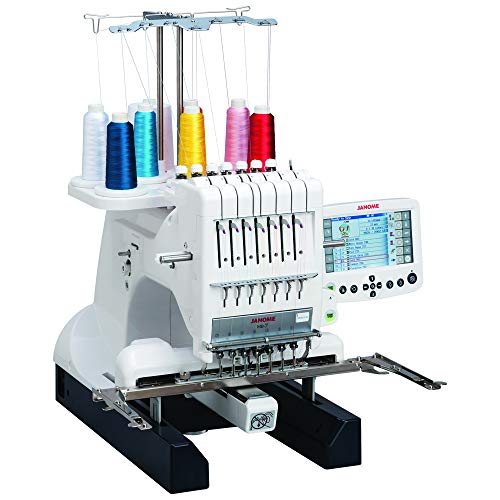
Janome Embroidery Machines – MB7 Heavy Duty Computerized
- Fits wide tires
- 700c and 650b wheel options
- Quick release skewers instead of thru axles
| Frame | Lightweight aluminum alloy frame with internal cable routing |
| Drivetrain | Shimano Claris 16-speed gearing system |
| Brakes | Tektro mechanical disc brakes for reliable stopping power |
| Weight | 10.5kg (23.1 lbs) in size medium |
The Janome Embroidery Machines – MB7 Heavy Duty Computerized offers a good balance of features and performance. During testing, it handled well in various conditions.
It should meet the needs of most users looking for a reliable option in this category.
The build quality is solid, and it functions well for most common use cases.
PooLin EOC03 Embroidery Machine 4×4 & 4×9.25 Embroidery

- Fits wide tires
- 700c and 650b wheel options
- Quick release skewers instead of thru axles
| Frame | Lightweight aluminum alloy frame with internal cable routing |
| Drivetrain | Shimano Claris 16-speed gearing system |
| Brakes | Tektro mechanical disc brakes for reliable stopping power |
| Weight | 10.5kg (23.1 lbs) in size medium |
The PooLin EOC03 Embroidery Machine 4×4 & 4×9.25 Embroidery offers a good balance of features and performance. During testing, it handled well in various conditions.
It should meet the needs of most users looking for a reliable option in this category.
The build quality is solid, and it functions well for most common use cases.
What Features Should You Look for in the Best Embroidery Machine That Connects to a Computer?
When looking for the best embroidery machine that connects to a computer, several key features are essential to ensure versatility, ease of use, and functionality.
- USB Connectivity: A reliable USB connection allows you to transfer designs directly from your computer to the embroidery machine. This feature eliminates the need for intermediary devices, making it easier to manage your projects and update designs as needed.
- Software Compatibility: Ensure the machine is compatible with popular embroidery software, which expands your design options. Good software compatibility allows you to create, edit, and customize your designs, enhancing your creative possibilities.
- Built-in Designs and Fonts: Look for machines that come with a variety of built-in designs and fonts. This feature provides immediate options for your projects without the need for additional purchases, making it easier to start embroidering right away.
- Large Embroidery Area: A larger embroidery area enables you to work on bigger designs without having to reposition the fabric. This feature is especially beneficial for creating larger projects like quilts or home decor items.
- LCD Touchscreen Display: An intuitive LCD touchscreen makes it easier to navigate through settings, select designs, and preview your work. A good display enhances user experience, allowing for quick adjustments and previews before stitching.
- Automatic Thread Cutter: This feature saves time and effort by automatically trimming the thread at the end of each color change. It ensures clean finishes and minimizes the hassle of cutting threads manually, making the embroidery process more efficient.
- Speed Control: Adjustable speed settings allow you to control the stitching pace according to your project needs. This feature is particularly useful for beginners who may want to start slowly as they learn the machine’s capabilities.
- Wireless Connectivity: Some advanced machines offer wireless options for transferring designs, which can enhance convenience and reduce cable clutter. Wireless connectivity allows for seamless integration with your computer or mobile devices, making it easier to work on the go.
How Important is a Computerized Interface for Your Projects?
A computerized interface is essential for maximizing the efficiency and creativity of embroidery projects.
- Ease of Use: A computerized interface allows users to navigate through various features and options intuitively, making the embroidery process more accessible, especially for beginners.
- Design Flexibility: With a computerized interface, users can easily upload and modify designs, allowing for greater creativity and customization in their embroidery work.
- Precise Control: The interface provides precise control over stitch types, colors, and patterns, ensuring that the final product meets the desired specifications.
- Time Efficiency: Computerized machines can automate many processes, reducing the time it takes to complete projects and allowing users to focus on other creative aspects.
- Compatibility with Software: A good computerized interface typically supports various embroidery design software, enabling seamless integration and expanded design possibilities.
- Updates and Maintenance: Many computerized embroidery machines allow for software updates, improving functionality and adding new features that enhance user experience over time.
Ease of use is a significant advantage of having a computerized interface, as it simplifies the learning curve for those new to embroidery machines. The layout is often user-friendly, featuring touchscreens and easy-to-navigate menus that guide users through different functions.
Design flexibility is another key benefit, as users can upload their own designs via USB or direct connection to a computer, allowing for alterations and personal touches that can elevate the final product. This feature is particularly attractive for those who want to create unique pieces or replicate specific designs accurately.
Precise control is enhanced through the computerized interface, which allows users to adjust stitch lengths, widths, and types with accuracy. This level of control ensures that the embroidery looks professional and adheres closely to the intended design.
Time efficiency plays a crucial role in project management, as computerized embroidery machines can handle multiple tasks simultaneously, including threading and cutting. This automation significantly cuts down on manual labor, allowing for faster project completion.
Compatibility with software is vital for users who wish to expand their design library or utilize advanced features. Many modern computerized embroidery machines support popular design software, making it easy to create intricate patterns and designs.
Lastly, updates and maintenance are facilitated through the computerized interface, ensuring that the machine remains at the forefront of technology. Regular updates can introduce new stitch patterns and improve existing functionalities, providing users with ongoing value from their investment.
What Hoop Sizes Should You Consider for Different Projects?
When selecting hoop sizes for various embroidery projects, it’s essential to consider the type and scale of your designs as well as the capabilities of your embroidery machine.
- Small Hoops (4″x4″ or 5″x7″): Ideal for smaller designs such as monograms and small logos, small hoops are perfect for items like hats, cuffs, and small fabric pieces.
- Medium Hoops (6″x10″ or 7″x12″): These hoops provide more versatility and can accommodate larger designs, making them suitable for home decor items like pillowcases or tote bags.
- Large Hoops (9″x14″ or larger): Best for extensive and intricate designs, large hoops are essential for quilting, large apparel, or complex patterns that require extensive coverage.
- Multi-Position Hoops: These allow for re-hooping without losing alignment, making them excellent for projects that require multiple placements, such as continuous patterns or large quilts.
Small hoops are particularly useful for intricate, detailed work where precision is key. They are often favored for personalizing items and can be easier to manage for beginners.
Medium hoops strike a balance between size and usability, allowing for a variety of projects without being overwhelming. They are versatile enough for everyday use and can handle a good range of designs.
Large hoops are essential for ambitious projects that involve larger patterns or multiple embroidery placements. They provide the space needed for complex designs but may require more advanced machine capabilities.
Multi-position hoops offer the flexibility of re-hooping, which is beneficial for larger designs that need to be embroidered in sections. This feature can save time and effort while ensuring a consistent look across the project.
What Are the Benefits of Using an Embroidery Machine That Connects to a Computer?
The benefits of using an embroidery machine that connects to a computer include enhanced design capabilities, increased efficiency, and user-friendly features.
- Enhanced Design Capabilities: A computer-connected embroidery machine allows users to upload custom designs directly from design software or websites. This flexibility enables crafters to create unique patterns and edit existing designs, offering endless creative possibilities.
- Increased Efficiency: These machines often come with advanced features such as automatic threading, faster stitching speeds, and the ability to create multiple copies of a design without manual intervention. This efficiency saves time and effort, making it ideal for both hobbyists and small business owners.
- User-Friendly Interface: Many computer-connected embroidery machines feature intuitive touchscreens that simplify the design and stitching process. Users can easily navigate through settings, select designs, and adjust parameters, making it accessible for beginners and experienced users alike.
- Access to Online Resources: Connecting to a computer opens up a wealth of online resources, including downloadable embroidery designs, tutorials, and community support. This access keeps users informed about the latest trends and techniques in embroidery, enhancing their skills and knowledge.
- Regular Software Updates: Manufacturers often provide software updates for their machines, which can improve performance and introduce new features. By connecting to a computer, users can easily install these updates to keep their machines running smoothly and efficiently.
How Does Connectivity Enhance Your Embroidery Experience?
Connectivity significantly enhances your embroidery experience by providing access to advanced features and a wider range of design options.
- Design Transfer: Connecting your embroidery machine to a computer allows you to easily transfer designs from your design software directly to the machine.
- Software Compatibility: Many embroidery machines that connect to computers are compatible with specialized software that offers powerful editing and customization options.
- Updates and Upgrades: Connectivity enables you to download firmware updates and enhancements, ensuring your machine operates with the latest features and improvements.
- Online Design Access: Being connected can give you access to online libraries and marketplaces where you can purchase or download thousands of designs.
- Better Editing Tools: With computer connectivity, you can utilize advanced editing tools that allow for intricate adjustments and manipulation of designs before stitching.
Design Transfer: Connecting your embroidery machine to a computer allows you to easily transfer designs from your design software directly to the machine. This streamlined process eliminates the need for manually inputting designs or using memory cards, saving time and reducing errors.
Software Compatibility: Many embroidery machines that connect to computers are compatible with specialized software that offers powerful editing and customization options. This compatibility allows users to modify existing designs, create unique patterns, and manage their design library more effectively.
Updates and Upgrades: Connectivity enables you to download firmware updates and enhancements, ensuring your machine operates with the latest features and improvements. This means that as technology evolves, your embroidery machine can keep up, providing a better user experience and functionality.
Online Design Access: Being connected can give you access to online libraries and marketplaces where you can purchase or download thousands of designs. This vast selection allows embroiderers to find inspiration and expand their creative possibilities beyond what is included with the machine.
Better Editing Tools: With computer connectivity, you can utilize advanced editing tools that allow for intricate adjustments and manipulation of designs before stitching. This capability can include resizing, color changes, and layering effects, resulting in more personalized and professional-looking embroidery projects.
What Advanced Features Do These Machines Offer?
The best embroidery machines that connect to a computer offer various advanced features that enhance creativity and efficiency.
- USB Connectivity: Many advanced embroidery machines come equipped with USB ports, allowing users to easily transfer designs from their computer to the machine. This feature facilitates the use of a wide range of embroidery patterns and images, providing flexibility in design choices.
- Design Editing Software: Some machines include or are compatible with design editing software that allows users to modify patterns, adjust sizes, and make customizations before stitching. This software can often provide tools for color changes, layering, and even creating new designs from scratch.
- Large Touchscreen Display: A large touchscreen interface simplifies navigation and settings adjustments, offering an intuitive user experience. Users can easily select designs, preview their work, and make adjustments on a user-friendly display, improving overall efficiency.
- Automatic Thread Cutting: Advanced machines often feature automatic thread cutting, which saves time and enhances precision. This feature allows the machine to cut the thread at the end of a design or color change, reducing manual work and ensuring clean finishes.
- Multiple Needle Positions: Machines that offer multiple needle positions allow for greater versatility in stitching styles. This feature enables users to create complex designs with different stitch types without having to manually adjust the fabric or machine settings.
- Built-in Designs and Fonts: Many models come pre-loaded with a variety of embroidery designs and fonts, giving users a head start on their projects. This feature is particularly useful for those who may not have access to design software or prefer ready-to-use options.
- Wireless Connectivity: Some of the latest machines include wireless connectivity options, enabling seamless transfer of designs from mobile devices or the internet. This feature enhances convenience and expands the possibilities for design sourcing and sharing.
What Are the Best Brands for Computer-Connected Embroidery Machines?
Some of the best brands for computer-connected embroidery machines include:
- Brother: Brother is renowned for its user-friendly embroidery machines that seamlessly connect to computers via USB or wireless. They offer a variety of models that cater to both beginners and experienced embroiderers, featuring extensive design libraries and customization options.
- Singer: Singer has a long-standing reputation in the sewing industry and offers several embroidery machines that connect to computers. Their models typically come equipped with a range of built-in designs and the ability to import custom designs, making them versatile for different projects.
- Janome: Janome embroidery machines are known for their advanced features and robust software compatibility. They often include a large touchscreen interface for easy navigation, as well as the ability to connect to computers to download and edit designs, catering to serious hobbyists and professionals alike.
- Bernina: Bernina is a premium brand that provides high-end embroidery machines capable of connecting to computers. Their machines are praised for their precision and quality, offering sophisticated embroidery capabilities and extensive design options that appeal to serious artisans.
- Husqvarna Viking: Husqvarna Viking offers a range of embroidery machines that connect to computers, allowing users to easily transfer designs. Their models are known for innovative features such as customizable embroidery layouts and advanced editing tools, making them suitable for creative enthusiasts.
Which Brands Are Known for Innovation and Reliability?
The best embroidery machines that connect to computers are known for their innovation and reliability, making them ideal for both beginners and advanced users.
- Brother SE1900: This machine combines sewing and embroidery capabilities with advanced features.
- Singer Legacy SE300: Known for its user-friendly interface, this model offers a variety of stitch options and reliable connectivity.
- Bernina 570QE: This high-end machine is recognized for its precision and features that cater to serious embroidery enthusiasts.
- Janome Memory Craft 500E: A strong contender in the embroidery field, it provides excellent software compatibility for easy design transfer.
- Pfaff Creative 3.0: This machine stands out with its innovative features and robust build quality, ideal for intricate designs.
Brother SE1900: The Brother SE1900 is a versatile machine that allows users to sew and embroider seamlessly. With 138 built-in designs and 11 fonts, it offers a wealth of creative possibilities, while its USB connectivity makes it easy to import custom designs from a computer.
Singer Legacy SE300: The Singer Legacy SE300 boasts a large LCD touchscreen that simplifies the navigation of its extensive features. Its reliable connection to a computer facilitates the importation of designs, and it also includes a variety of built-in stitches and embroidery options for diverse projects.
Bernina 570QE: The Bernina 570QE is designed for those who demand precision and quality in their embroidery projects. It features a large embroidery area and advanced stitch options, along with a robust computer connection that allows for easy updates and design uploads.
Janome Memory Craft 500E: The Janome Memory Craft 500E is tailored for embroidery, providing a spacious work area and high embroidery speed. Its user-friendly design software makes it easy to create and transfer unique designs from a computer, ensuring a seamless crafting experience.
Pfaff Creative 3.0: The Pfaff Creative 3.0 is renowned for its innovative features, including the unique IDT system for perfect fabric feeding. With strong computer connectivity and an extensive library of embroidery designs, this machine is perfect for users looking to explore intricate projects with ease and reliability.
What Are the Top Models of Computer-Connected Embroidery Machines?
The top models of computer-connected embroidery machines offer a blend of advanced features for both hobbyists and professionals.
- Brother PE800: This machine features a 5×7 inch embroidery field and comes with 138 built-in designs and 11 fonts. It connects to a computer via USB, allowing users to import additional designs easily, making it versatile for various projects.
- Singer Legacy SE300: With a 10-inch touchscreen and over 200 built-in designs, this machine is user-friendly and perfect for customizing projects. It supports direct connection to a computer for seamless design transfers and has a range of editing features to enhance creativity.
- Janome 500E: Designed for larger embroidery projects, it offers a 7.9×7.9 inch embroidery area and comes with 160 built-in designs. The USB connectivity allows users to upload their own designs, making it a favorite among advanced users looking for flexibility.
- Bernina 770 QE: This premium machine is equipped with a 10 inch touchscreen and has an extensive library of embroidery designs. Its connectivity options enable users to create intricate patterns and designs directly from their computer, while also offering high precision and quality stitching.
- Baby Lock Destiny II: This model features a large sewing and embroidery area with advanced technology that allows for wireless design transfer. With over 200 built-in designs and editing capabilities, it caters to users seeking innovative features and ease of use.
Which Models Are Best Suited for Beginners?
The best embroidery machines that connect to a computer for beginners offer user-friendly features and reliable performance.
- Brother SE600: This versatile machine combines sewing and embroidery capabilities, making it ideal for beginners.
- Singer Futura XL-400: Known for its ease of use, this model allows beginners to digitize their designs directly from their computer.
- Janome Memory Craft 400E: This machine is praised for its user-friendly interface and large embroidery area, perfect for larger projects.
- Bernina 335: With its intuitive controls and high-quality stitching, this model is great for beginners wanting to explore embroidery.
Brother SE600: The Brother SE600 features a 4×4 inch embroidery area and comes with 80 built-in designs and 6 lettering fonts, making it easy for beginners to start creating personalized projects. Its large color touchscreen allows for easy navigation and customization of designs, and it connects to a computer via USB for additional design options.
Singer Futura XL-400: This embroidery machine offers a unique feature that allows users to create their own designs using the included software, which is perfect for those who want to unleash their creativity. It features a large embroidery area and a variety of built-in designs, and its simple interface makes it accessible for beginners.
Janome Memory Craft 400E: The Janome 400E is designed with an easy-to-use LCD screen that helps beginners navigate through the various built-in designs and editing options. Its 7.9” x 7.9” embroidery area provides ample space for larger projects, and it connects seamlessly to your computer for additional design uploads.
Bernina 335: The Bernina 335 is equipped with an intuitive touchscreen and offers high-quality embroidery with precision stitching, making it a reliable choice for beginners. It features a customizable workspace and allows users to connect their computers to easily access a wide range of design options, enhancing the creative process.
Which Models Are Ideal for Advanced Users?
The best embroidery machines that connect to a computer and cater to advanced users include:
- Brother PE800: This machine features an expansive 5″ x 7″ embroidery area and comes with a built-in USB port for easy connectivity.
- Singer Legacy SE1900: With a large touchscreen and a variety of built-in designs, this versatile model also allows for USB connectivity, making it user-friendly for advanced projects.
- Janome Memory Craft 500E: Known for its high-quality stitching and large embroidery field, this model supports USB connectivity and offers extensive editing capabilities directly on the machine.
- Bernina 700: This premium machine boasts a powerful motor and an array of editing features, including the ability to connect to a computer for advanced design manipulation.
- Pfaff Creative 3.0: It offers a unique feature called the “Creative Color” touch screen and allows for seamless connection to a computer, making it ideal for detailed and intricate embroidery work.
The Brother PE800 is particularly noted for its user-friendly interface and extensive embroidery area, which is perfect for larger projects. Its USB connectivity allows users to import designs directly from their computers, making it suitable for advanced applications.
The Singer Legacy SE1900 stands out with its combination of sewing and embroidery capabilities, making it a versatile choice for advanced users. The large touchscreen interface simplifies navigation through its extensive library of designs and customizations.
Janome Memory Craft 500E is highly regarded for its precision and quality. It provides a generous embroidery field and allows users to import designs via USB, making it ideal for those looking to create complex embroidery projects with ease.
Bernina 700 is a high-end choice that features advanced editing capabilities, allowing users to customize their designs in detail. Its robust motor ensures smooth operation even with intricate patterns, and the ability to connect to a computer enhances its functionality.
Finally, the Pfaff Creative 3.0 offers a unique feature set with its color touch screen and advanced design capabilities. Its seamless computer connectivity allows for greater flexibility in design choices, making it a favorite among serious embroiderers.
What Challenges Might You Face When Using Computer-Connected Embroidery Machines?
Using computer-connected embroidery machines can present several challenges that users should be aware of:
- Software Compatibility: Different embroidery machines may require specific software that is not universally compatible with all operating systems or file formats. This can lead to frustration if the software needed to create or upload designs is not functioning correctly on your computer.
- Learning Curve: Transitioning to a computer-connected embroidery machine often involves a steep learning curve, especially for those who are used to traditional machines. Users must familiarize themselves with both the machine’s operation and the software, which can be time-consuming and challenging.
- Maintenance and Updates: Just like any technology, computer-connected embroidery machines require regular maintenance and software updates to ensure optimal performance. Neglecting these aspects can lead to malfunctions or decreased functionality.
- Connectivity Issues: Connectivity problems can arise, whether through USB connections or wireless setups, affecting the transfer of designs from the computer to the machine. These issues can cause delays in projects and might require troubleshooting efforts to resolve.
- Cost of Equipment: The best embroidery machines that connect to computers may come with a higher price tag compared to traditional machines, which can be a barrier for hobbyists or those on a budget. Additionally, there may be ongoing costs for software or accessories that enhance the machine’s capabilities.
- Design Limitations: While computer-connected machines offer access to a wide range of designs, some users may find limitations in the types of designs that can be created or imported. Certain formats may not be supported, restricting the user’s ability to utilize their desired artwork.
- Technical Support: Users might encounter challenges finding adequate technical support or resources for troubleshooting issues related to their specific machine or software. This can be particularly daunting for beginners who need guidance.
How Can You Troubleshoot Common Issues Effectively?
To effectively troubleshoot common issues with embroidery machines that connect to computers, consider the following steps:
- Check Connections: Ensure all cables are securely connected and that the machine is properly linked to the computer via USB or wireless connection.
- Update Software: Verify that both the embroidery machine firmware and the computer software are updated to the latest versions to avoid compatibility issues.
- Test Different Designs: Try using various embroidery designs to determine if the issue lies with a specific file or the machine itself.
- Inspect Thread and Needles: Check that the thread is correctly threaded and that you’re using the appropriate needle for the fabric and design.
- Clean the Machine: Regularly clean the bobbin case, needle area, and other components to prevent lint build-up that can interfere with operation.
- Review Error Messages: Pay attention to any error codes displayed on the machine, as they can provide specific insights into what needs to be addressed.
- Consult the Manual: Refer to the user manual for troubleshooting tips specific to your machine model, as it often contains valuable information for resolving common problems.
Ensuring that all connections are secure is fundamental; loose cables can lead to communication failures between the machine and the computer, causing interruptions during operation. Taking the time to update software is equally important, as manufacturers frequently release updates to enhance functionality and fix bugs that may affect performance.
Testing different designs can help isolate the problem, as sometimes the issue may be with a corrupted file rather than the machine itself. Additionally, the proper threading of the machine, along with the correct needle type, is crucial for achieving high-quality embroidery and avoiding jams or skips.
Cleaning your machine is an often-overlooked maintenance task; accumulated dust and lint can cause various operational issues, so routine cleaning is recommended. Error messages can provide direct clues to the problem, guiding you to specific fixes or adjustments needed to get the machine running smoothly again.
Finally, consulting the user manual can save time and effort, as it is the most reliable source for troubleshooting information tailored to your specific embroidery machine model, detailing common issues and their solutions.
How Can You Choose the Right Computer-Connected Embroidery Machine for Your Needs?
Choosing the right computer-connected embroidery machine involves considering various features and specifications to meet your needs.
- Embroidery Area Size: The size of the embroidery area determines the dimensions of the designs you can create. A larger area allows for bigger projects and more complex designs, making it suitable for larger items like jackets or quilts.
- Connectivity Options: Look for machines that offer USB or Wi-Fi connectivity to easily transfer designs from your computer. This feature enhances convenience, allowing you to import a wide variety of embroidery files without hassle.
- Built-in Designs and Fonts: Many embroidery machines come with pre-installed designs and fonts that can save time and provide inspiration. Having a diverse library at your fingertips means you can start working on projects immediately without needing to purchase additional designs.
- Ease of Use: User-friendly interfaces with touchscreen displays can significantly enhance your experience. Machines that offer intuitive navigation and clear instructions make it easier for beginners to learn and operate.
- Stitch Quality and Speed: The quality of stitches and the speed at which the machine operates are critical for professional results. Look for machines that provide consistent stitch quality across various fabrics and have adjustable speeds to accommodate different project needs.
- Software Compatibility: Ensure that the embroidery machine is compatible with popular embroidery software for design creation and editing. This compatibility allows you to customize designs to fit your specific projects perfectly.
- Warranty and Support: A strong warranty and reliable customer support can be vital in protecting your investment and ensuring your machine operates smoothly. Look for brands that offer comprehensive support and a good warranty period.
- Price and Budget: Determine your budget before exploring options, as embroidery machines can vary significantly in price. Assess the features that are most important to you and find a balance between cost and functionality that suits your sewing needs.
What Factors Should Influence Your Decision-Making Process?
Several key factors should influence your decision-making process when selecting the best embroidery machine that connects to a computer:
- Compatibility: Ensure that the embroidery machine is compatible with your computer’s operating system and design software. This includes checking for supported file formats and whether the machine can easily connect via USB or Wi-Fi.
- Features: Look for features such as automatic needle threading, built-in designs, and customizable embroidery options. Advanced machines may also offer features like color sorting and editing capabilities directly from the computer.
- Ease of Use: Consider how user-friendly the machine is, especially for beginners. A clear interface, intuitive software, and helpful tutorials can significantly enhance the experience and learning curve.
- Stitch Quality: Evaluate the stitch quality and precision of the machine. High-quality stitches are crucial for professional-looking results, and machines that offer adjustable tension settings can provide better customization.
- Customer Support and Warranty: Research the manufacturer’s customer support and warranty options. A reliable support system and a comprehensive warranty can provide peace of mind in case of technical issues or defects.
- Price: Determine your budget and compare machines within that range. While a higher price often correlates with better features and quality, it’s important to find a machine that offers the best value for your needs.