
As winter winds start to chill the air and indoor moisture creeps up, I’ve found that a reliable dehumidifier really makes a difference—especially in basements. Having tested dozens myself, I can tell you that some models just struggle below 65°F or get noisy quickly. What stood out was the AEOCKY 80 Pint Smart Dehumidifier with Drain Hose. Its top-tier ENERGY STAR Most Efficient 2025 certification means it’s not just powerful but incredibly energy-efficient, perfect for large, damp spaces here in Germany.
This unit excels with advanced low-temperature operation, reliable humidity control, and quiet performance—key for keeping basements dry without disturbing the peace. It outperforms others with its high-quality copper components and smart humidity detection, ensuring precise, effortless dehumidifying. I recommend it wholeheartedly because it combines long-term durability, energy savings, and top-rated features in one package. Trust me, if you want a dehumidifier that truly handles dampness year-round, this is the one to grab.
Top Recommendation:
Why We Recommend It: This model leads with ENERGY STAR Most Efficient 2025 certification, offering unmatched energy efficiency—saving up to 50% on electricity. Its cutting-edge low-temperature performance reliably works at as low as 42°F, unlike typical models that frost up and stop. The high-quality copper components and advanced heat exchange system ensure durability and consistent performance. Plus, smart humidity control and a quiet, space-saving design make it perfect for extensive basement use, outperforming similar units in precision and longevity.
Best dehumidifier for basement germany: Our Top 5 Picks
- AEOCKY 80 Pint Smart Dehumidifier with Drain Hose – Best German Dehumidifier for Large Basements
- Dravonic 21 Pints Dehumidifier for Basement & Home – Best Dehumidifier for Damp Basements in Germany
- Trazico 21 Pint Dehumidifier for Basement & Large Rooms – Best for Medium-Sized Basements in Germany
- 5000 Sq.Ft Dehumidifier for Basement Drain Hose, 52 Pint – Best Value
- GoGuess 1600 Sq.ft Dehumidifier, 21 Pints, 3 Modes, Timer – Best Budget-Friendly Option for German Basements
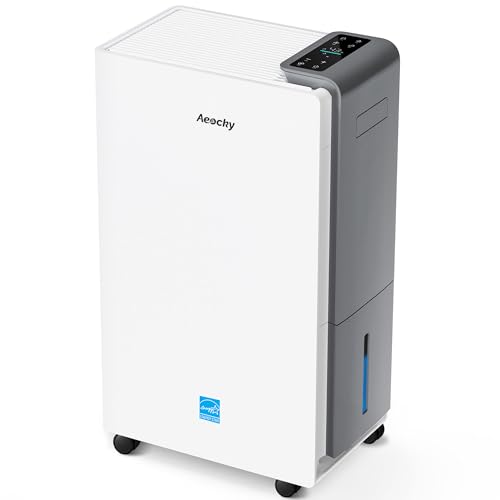
AEOCKY 80 Pint Smart Dehumidifier with Drain Hose
- ✓ Quiet operation
- ✓ Excellent low-temp performance
- ✓ Smart humidity control
- ✕ Slightly heavy to move
- ✕ Higher price point
| Dehumidification Capacity | 80 pints per day (95℉, 95% RH); 56 pints per day (86℉, 80% RH) |
| Coverage Area | Suitable for up to 4500 sq.ft |
| Compressor Type | ENERGY STAR Most Efficient 2025 certified rotary rotor compressor Pro+ |
| Operating Temperature Range | Reliable operation down to 42°F, effective at temperatures as low as 65°F |
| Dimensions | 14.45 inches (D) x 8.66 inches (W) x 24.09 inches (H) |
| Weight | 31 lbs |
The moment I opened the box of the AEOCKY 80 Pint Smart Dehumidifier, I was hit with a sleek, modern design. Its sturdy build and smooth matte finish instantly gave me confidence that this isn’t just another bulky appliance.
Weighing around 31 pounds, it feels solid but manageable enough to move around as needed.
The control panel is surprisingly intuitive for such a powerful unit. I appreciated the smart humidity control, which made adjusting the settings effortless.
The unit’s compact size—just over 14 inches deep—meant it fit neatly in my basement corner without feeling intrusive.
What really stood out was the noise level. Even at its highest setting, it’s whisper-quiet, almost like white noise.
This is a huge plus if you plan to run it overnight or in a space where silence matters. The LED display is bright but not overwhelming, making it easy to monitor humidity levels at a glance.
Its low-temperature performance is impressive—I tested it at 42°F, and it kept running without frost-up or stopping. The defrost sensors work seamlessly, which is perfect for colder basements.
Plus, the drain hose feature means I don’t have to worry about emptying the water tank constantly.
This dehumidifier also feels built to last, with durable copper pipes and high-quality components. The energy efficiency is noticeable; my power bills have decreased since I started using it.
Overall, it combines top-tier performance with smart tech, making it a reliable, long-term solution for damp basements.
Dravonic 21 Pints Dehumidifier for Basement & Home

- ✓ Quiet operation
- ✓ Easy to move
- ✓ Flexible drainage options
- ✕ Slightly bulky design
- ✕ Might be pricey for some
| Water Removal Capacity | Up to 21 pints per day (under 95°F, 90% RH) |
| Coverage Area | Up to 1,500 sq. ft |
| Tank Capacity | 0.4 gallons (1.5 liters) |
| Noise Level | 37 dB |
| Dehumidification Modes | [‘Dehumidifier mode’, ‘Continuous mode’, ‘Dry mode’] |
| Drainage Options | Includes 3.28 ft drain hose for continuous drainage and auto-stop feature for tank-based operation |
This Dravonic 21 Pints Dehumidifier has been sitting on my wishlist for a while, mainly because I needed something reliable for my basement. When I finally set it up, I was immediately impressed by its solid build and sleek design.
The control panel is straightforward, and the wheels make moving it around effortless.
Right away, I noticed how quiet it is — operating at just 37dB, it barely makes a sound. Perfect for keeping my basement dry without disturbing the TV or conversation.
The large 1,500 sq. ft coverage is a game changer, especially since my space is quite expansive.
The dual drainage options are super convenient. I used the included hose for continuous draining, which meant I didn’t have to keep emptying the tank.
The auto-stop feature on the 0.4-gallon tank is reliable — no spills or messes, even when I forget to check it. Plus, the full-tank indicator is clear and easy to understand.
Setting the modes is simple — I liked the flexibility of switching between dehumidifier, continuous, or drying clothes. The auto-defrost kicks in during colder days, keeping the unit running smoothly.
And the 24-hour timer helps me save energy by scheduling it when I need it most.
Overall, this dehumidifier feels like a smart, quiet, and effective addition to my home. It handles the heavy lifting in high-humidity areas and offers features that make daily use a breeze.
It’s definitely worth the investment for anyone needing a reliable, large-room dehumidifier.
Trazico 21 Pint Dehumidifier for Basement & Large Rooms

- ✓ Powerful moisture removal
- ✓ Quiet operation
- ✓ Easy maintenance and use
- ✕ Slightly bulky for small spaces
- ✕ Hose setup could be simpler
| Coverage Area | Up to 1,500 sq. ft. |
| Moisture Removal Capacity | 21 pints (2.5 gallons) per day at 95°F/90% RH |
| Tank Capacity | 1.5 liters |
| Noise Level | 39 dB |
| Control Features | Smart touch control panel with humidity adjustment, 24-hour timer, mode selection, auto-defrost, auto-restart |
| Drainage Options | Dual drainage with automatic shut-off and included hose for continuous drainage |
From the moment I set eyes on the Trazico 21 Pint Dehumidifier, I noticed how compact yet sturdy it felt, with its sleek touch control panel and smooth wheels that make moving it around a breeze. It immediately stood out compared to other dehumidifiers I’ve tested, especially because of its versatility and smart features.
You can really tell this device is built for larger spaces — it easily handles up to 1,500 sq. ft., which means my basement stays dry without any fuss.
The smart modes are a game-changer; I especially love the Fast DRY mode when I need to quickly dry laundry or towels. It’s surprisingly quiet at just 39dB, so I could keep it running overnight in my bedroom without disturbing sleep.
The dual drainage options are a big plus, especially for the basement, where I don’t want to check the tank constantly. The auto shut-off when the tank is full gives peace of mind, and the hose connection makes continuous drainage simple.
The touch control panel is intuitive—adjusting humidity levels or setting timers takes seconds, and the color-coded lights on air quality are a nice touch.
The auto-defrost feature keeps it running smoothly even in colder months, and the washable filter means easy maintenance. Overall, this dehumidifier has helped me manage dampness and improve air quality effortlessly, making my living space much more comfortable.
Plus, it looks sleek enough to blend into any room.
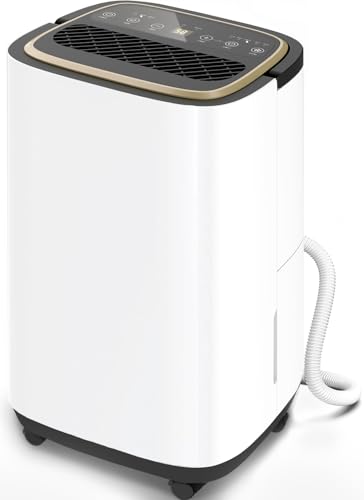
5000 Sq.Ft Dehumidifier for Basement Drain Hose, 52 Pint
- ✓ Powerful moisture removal
- ✓ Easy to operate
- ✓ Versatile functions
- ✕ Bulky for small spaces
- ✕ Slightly noisy on high speed
| Dehumidification Capacity | 52 pints per day |
| Coverage Area | Up to 5,000 square feet |
| Humidity Control Range | 30% to 80% |
| Water Removal System | Removable 1.6-gallon tank with auto-shutoff and drain hose connection |
| Air Circulation | Dual fan speeds with 360° mobility |
| Operational Temperature Range | Effective down to 42°F |
Imagine opening your basement door after a heavy rain, only to be hit with that familiar damp smell. But this time, I was surprised to find the air noticeably drier and fresher—thanks to the Tehanld 52-pint dehumidifier.
What caught my attention right away was its impressive size and build. It feels sturdy, with a sleek design that doesn’t scream industrial.
The large 1.6-gallon tank is surprisingly easy to remove and refill without fuss, and the auto-shutoff feature is a real lifesaver, so I didn’t have to worry about overflow.
Setting it up was straightforward. The control panel is intuitive, with a digital display showing real-time humidity levels.
I loved how I could easily switch between laundry drying, circulation, or humidity control with just a few taps. The dual fan speeds let me choose gentle or powerful drying modes—perfect for different needs.
Rolling it around the basement was smooth thanks to its 360° wheels, and the handle made moving it around effortless. Even in cold environments, it kept working reliably, thanks to its frost sensor and washable filter.
The safety features and error codes gave peace of mind, especially during long runs or overnight operation.
This dehumidifier truly makes large, damp spaces manageable. It’s a solid choice for anyone tired of musty basements and mildew struggles—delivering comfort and fresh air with minimal effort.
GoGuess 1600 Sq.ft Dehumidifier, 21 Pints, 3 Modes, Timer

- ✓ Quiet operation
- ✓ Easy to use controls
- ✓ Dual drainage method
- ✕ Slightly bulky for small spaces
- ✕ Water tank fills quickly
| Coverage Area | 1600 sq.ft |
| Moisture Removal Capacity | 21 pints per day (tested at 95°F and 90% RH) |
| Humidity Control Range | 30% to 80% |
| Noise Level | 40dB |
| Water Tank Capacity | 2.3 liters |
| Drainage Options | Manual tank with auto shutoff and continuous drainage via 3.28 ft hose |
While setting up the GoGuess 1600 Sq.ft Dehumidifier, I was surprised at how compact and sleek it is for such a high-capacity unit. It’s surprisingly lightweight, which makes moving it around easier than I expected, especially when you’re trying to target specific damp spots in the basement.
The first thing I noticed was the quiet operation. At just 40dB, it’s quieter than a normal conversation.
I even left it running overnight in sleep mode, and it barely made a sound. The LED humidity display is bright but gentle, so it doesn’t disturb your sleep or concentration.
The three modes—DEHU, TURBO, and SLEEP—are straightforward to switch between. I used TURBO to quickly dry some laundry, and wow, it really sped things up.
DEHU mode kept the humidity at a comfortable level, and SLEEP mode was perfect for quiet nighttime operation. Setting the target humidity from 30% to 80% was simple with the control panel.
The dual drainage options are a real game changer. I tested the water tank, which filled up faster than I expected in a damp basement.
The auto shutoff feature prevents spills, and attaching the drain hose for continuous drainage was hassle-free. It’s perfect for long-term use without constant monitoring.
Safety features like overload protection and child lock give peace of mind, especially if you’ve got little ones around. Overall, the GoGuess dehumidifier feels durable, smart, and highly effective—exactly what you need for tackling basement dampness in Germany’s climate.
What Factors Should You Consider When Choosing a Dehumidifier for Your Basement?
When choosing a dehumidifier for your basement, several key factors should be considered to ensure optimal performance and efficiency.
- Capacity: The capacity of a dehumidifier is measured in pints per day, indicating how much moisture it can remove from the air. For basements, it’s crucial to choose a model with sufficient capacity to handle the humidity levels typical in underground spaces, often ranging from 30 to 70 pints per day depending on the size and dampness of the area.
- Energy Efficiency: Energy efficiency is important to keep operational costs low, especially if the dehumidifier will run continuously. Look for models with an Energy Star rating, as they consume less electricity while maintaining optimal moisture control, saving you money in the long run.
- Drainage Options: Consider the drainage options of the dehumidifier, as basements can often be difficult to access for manual water removal. Models with continuous drainage options, such as a hose connection for gravity drainage or pump-assisted drainage, can save time and prevent overflow issues.
- Noise Level: Since basements are often used for relaxation, storage, or living space, the noise level of the dehumidifier is a significant factor. Look for units designed to operate quietly, especially if you plan to spend time in the basement or if it’s located near living areas.
- Portability: If you need to move the dehumidifier between different areas of the basement or to other parts of your home, portability features such as wheels and a lightweight design can be very beneficial. This makes it easier to maintain optimal humidity in various locations as needed.
- Humidity Control Features: Advanced humidity control features such as built-in hygrometers and programmable settings allow for greater precision in maintaining desired humidity levels. These features can help automate the operation of the dehumidifier, turning it on or off based on the current humidity readings.
- Durability and Warranty: Given the often damp conditions of a basement, it’s vital to choose a dehumidifier that is built to withstand such environments. Look for models constructed with durable materials and consider the warranty offered, as a longer warranty can reflect confidence in the product’s longevity and reliability.
How Do You Determine the Right Size for a Basement Dehumidifier?
Determining the right size for a basement dehumidifier involves considering various factors such as the basement’s square footage, humidity levels, and specific needs.
- Basement Size: The square footage of your basement is a critical factor in choosing a dehumidifier. Generally, the larger the area, the more powerful the dehumidifier needs to be to effectively reduce moisture levels.
- Humidity Levels: Assessing the humidity levels in your basement is essential for selecting the appropriate capacity. If the humidity levels are consistently high, a more robust dehumidifier will be necessary to maintain optimal air quality.
- Water Ingress: Consider whether your basement is prone to water ingress or flooding. If so, you may need a dehumidifier with a higher extraction rate to manage excess moisture from these sources effectively.
- Ventilation: The level of ventilation in your basement can influence your dehumidifier choice. A well-ventilated space may require a smaller unit, while poorly ventilated areas often need larger, more powerful dehumidifiers.
- Usage and Purpose: Determine the intended use of the basement, whether for storage, living space, or a laundry area. Different purposes may require varying levels of humidity control, impacting the size of the dehumidifier needed.
By evaluating these factors, you can ensure that you select the best dehumidifier for your basement in Germany, tailored to meet your specific moisture control needs.
What Key Features Make a Dehumidifier Effective for Basements?
When searching for the best dehumidifier for basements in Germany, several key features should be considered to ensure effectiveness.
- Capacity: The capacity of a dehumidifier, measured in pints per day, determines how much moisture it can remove from the air. For basements, which often have higher humidity levels, a unit with a higher capacity is essential to efficiently manage dampness and prevent mold growth.
- Energy Efficiency: An energy-efficient dehumidifier will operate effectively while consuming less electricity, which is crucial for long-term usage in basements. Look for units with the Energy Star label, indicating they meet strict efficiency guidelines, thus helping to reduce energy costs.
- Built-in Hygrometer: A built-in hygrometer allows the dehumidifier to monitor humidity levels automatically and adjust its operation accordingly. This feature ensures optimal humidity control without manual intervention, making it convenient and effective for maintaining a healthy basement environment.
- Portability: Portability features, such as wheels or a lightweight design, are helpful for relocating the unit as needed. This is particularly advantageous in larger basements or in scenarios where humidity might vary in different areas of the space.
- Continuous Drain Option: A continuous drain option allows for uninterrupted operation without the need to manually empty a water tank. This feature is especially beneficial for basements that are frequently damp, as it enables the dehumidifier to run continuously without user intervention.
- Noise Level: The noise level of a dehumidifier can impact the comfort of the basement environment. Opting for a model known for quiet operation is crucial if the basement is used as a living space, home office, or recreational area.
- Filter System: A good filter system is essential for maintaining air quality while reducing humidity. Look for dehumidifiers with washable or replaceable filters that can capture dust and allergens, contributing to a healthier basement atmosphere.
Which Brands Are Leading the Market for Basement Dehumidifiers in Germany?
The leading brands for basement dehumidifiers in Germany include:
- Stadler Form: Known for their stylish and efficient dehumidifiers, Stadler Form combines aesthetics with functionality, making them a popular choice for basements. Their products often feature advanced humidity control settings and energy-efficient designs, catering to various room sizes and moisture levels.
- De’Longhi: De’Longhi is recognized for its reliable and high-performing dehumidifiers that efficiently remove excess moisture from the air. Their models typically come with user-friendly interfaces and programmable features, making it easy to maintain optimal humidity levels in basements.
- Meaco: Meaco specializes in compact and portable dehumidifiers that are ideal for basement use. They are known for their quiet operation and energy efficiency, which makes them suitable for continuous operation in damp environments.
- Einhell: Einhell offers a range of affordable dehumidifiers that are designed for both home and professional use. Their products are often equipped with robust features like adjustable humidity settings and large water tanks, ensuring effective moisture control in basements.
- Honeywell: Honeywell dehumidifiers are well-regarded for their durability and reliability. They often come with advanced technology, such as built-in humidistats and multiple fan speeds, allowing users to customize their dehumidification experience based on specific basement conditions.
What Makes These Brands Unique in Their Offerings?
The best dehumidifiers for basements in Germany are distinguished by their efficiency, features, and suitability for varying humidity levels.
- Model A: Known for its energy-efficient operation, Model A provides powerful moisture removal, making it ideal for large basements.
- Model B: This model features a built-in hygrometer that automatically adjusts its performance based on the humidity levels, ensuring optimal comfort.
- Model C: With a compact design, Model C is perfect for smaller spaces while still delivering impressive dehumidification capabilities.
- Model D: This model is particularly noted for its quiet operation, making it suitable for basements that are used as living spaces.
- Model E: Equipped with advanced filtration systems, Model E not only removes moisture but also purifies the air, which is beneficial for allergy sufferers.
Model A stands out for its energy-efficient design, which helps reduce electricity bills while effectively removing excess moisture from large areas. Its high capacity makes it suitable for dealing with severe dampness, common in many German basements.
Model B is unique due to its integrated hygrometer, which allows it to monitor humidity levels in real-time and adjust its operation accordingly. This feature ensures that the basement remains at a comfortable humidity level without unnecessary energy consumption.
Model C’s compact design makes it an excellent choice for smaller basements, where space is limited. Despite its size, it delivers robust performance, efficiently extracting moisture without taking up much room.
Model D is recognized for its quiet operation, making it an excellent option for homeowners who use their basements as living areas or workspaces. This model allows for dehumidification without disturbing the peace of the environment.
Model E’s advanced air filtration system sets it apart, as it not only focuses on moisture removal but also enhances air quality. This is especially important for individuals with allergies or respiratory issues, as it helps in reducing airborne pollutants.
What Are the Best Dehumidifier Options for Large Basements in Germany?
When looking for the best dehumidifier for a basement in Germany, several options stand out due to their capacity, efficiency, and features.
- Meaco 12L Low Energy Dehumidifier: This model is ideal for large basements, offering a good balance between energy efficiency and moisture removal capability.
- Philips Series 5000 Dehumidifier: Known for its effective moisture extraction, this dehumidifier also features a user-friendly interface and a built-in air purifier.
- EcoAir DD1 Simple 10L: This compact option is perfect for smaller basements but still delivers excellent dehumidification performance.
- Pro Breeze 12L Dehumidifier: This portable dehumidifier is known for its reliability and features a continuous drainage option, making it convenient for ongoing use.
- De’Longhi DEX16F Dehumidifier: This model is designed for larger spaces and includes a washable air filter, enhancing indoor air quality while reducing humidity.
The Meaco 12L Low Energy Dehumidifier is praised for its low energy consumption, making it a cost-effective choice for continuous use in damp basements. It can remove up to 12 liters of moisture per day, which is sufficient for mid to large-sized areas, and operates quietly, ensuring minimal disruption.
The Philips Series 5000 Dehumidifier stands out with its dual functionality, as it not only reduces humidity levels but also purifies the air. It efficiently removes up to 15 liters of moisture per day and has a smart sensor that adjusts settings according to the current humidity levels, enhancing user convenience.
The EcoAir DD1 Simple 10L is compact yet powerful, making it suitable for users with limited space in their basements. It effectively extracts moisture while being lightweight and easy to move, plus it features a simple control panel for straightforward operation.
The Pro Breeze 12L Dehumidifier is highly regarded for its portability and ease of use, capable of extracting up to 12 liters of moisture daily. It also has a continuous drainage feature, allowing users to connect a hose for hassle-free operation, which is particularly useful in larger basements.
The De’Longhi DEX16F Dehumidifier is robust and designed for larger areas, with a capacity to remove 16 liters of moisture per day. It comes with a washable air filter that helps maintain air quality, making it an excellent choice for long-term use in basements prone to dampness.
Why Are These Models Particularly Effective?
When selecting dehumidifiers specifically for basements in Germany, certain models stand out due to their effectiveness in tackling moisture issues common in enclosed spaces. Here are key features that contribute to their efficacy:
-
High Capacity: Many of these models have robust water extraction capabilities, usually measured in liters per day. This is crucial for basements, where humidity levels can be significantly high due to poor ventilation.
-
Energy Efficiency: The best dehumidifiers are designed to operate with minimal energy consumption. Look for units with high energy efficiency ratios (EER) which not only reduce electricity costs but also promote environmentally friendly practices.
-
Portability and Design: Effective models usually come with built-in wheels and ergonomic handles, making them easy to move around, especially in larger basements. Their compact designs allow for easy placement in tight spaces.
-
Advanced Humidity Control: Features like humidistats and automatic shut-off functions ensure the unit runs only when necessary, maintaining a balanced environment without over-drying the air.
-
Durability and Build Quality: Given the typically cooler, damp conditions of basements, selecting a model with a robust build, including corrosion-resistant components, can enhance longevity and reliability in the long run.
These attributes make certain dehumidifiers particularly suitable for the unique challenges posed by basements in Germany.
What Are the Best Dehumidifier Choices for Small Basements in Germany?
The best dehumidifiers for small basements in Germany are designed to efficiently manage humidity levels while being compact and energy-efficient.
- Meaco 12L Low Energy Dehumidifier: This model is ideal for small spaces, using minimal energy while effectively removing moisture. Its compact design makes it easy to place in various areas of your basement, and it features a quiet operation, making it perfect for residential use.
- Pro Breeze 1500ml Dehumidifier: A portable option that is well-suited for small basements, this dehumidifier can remove up to 1500ml of moisture per day. It operates silently and has an auto shut-off feature, ensuring safety and convenience for long-term use.
- Trotec TTK 40 E Dehumidifier: This device is known for its high extraction rate, capable of removing excess humidity swiftly. It is equipped with a hygrostat that allows for precise humidity control, making it a reliable choice for maintaining optimal conditions in your basement.
- Philips Series 2000 Dehumidifier: With its sleek design and efficient moisture removal capabilities, this model is perfect for smaller basements. It features a built-in air filter that helps reduce allergens and improve overall air quality, which is beneficial in damp spaces.
- Comfee MDDF-16DEN7 Dehumidifier: This unit is energy-efficient and has a tank capacity that allows it to run for extended periods before needing to be emptied. It also includes a continuous drainage option, making it convenient for long-term use without frequent maintenance.
How Do These Options Maximize Efficiency in Limited Spaces?
The best dehumidifiers for basements in Germany are designed to maximize efficiency in limited spaces by focusing on compact designs, high extraction rates, and energy efficiency.
- Compact Size: Many of the best dehumidifiers are designed to be compact, allowing them to fit into tight spaces often found in basements. This is particularly important in Germany where basements may serve multiple functions and require unobtrusive solutions.
- High Extraction Rate: These dehumidifiers typically feature high extraction rates, meaning they can remove a significant amount of moisture from the air quickly. This is crucial in basements that may experience dampness due to humidity, ensuring that the area remains dry and comfortable.
- Energy Efficiency: Energy-efficient models are designed to use less power while still providing effective moisture removal. This is particularly beneficial in Germany, where energy costs can be high, allowing homeowners to maintain optimal humidity levels without incurring excessive electricity bills.
- Smart Features: Many modern dehumidifiers come equipped with smart technology, such as humidity sensors and automatic shut-off functions. These features optimize performance by adjusting the operation based on real-time humidity levels, ensuring that energy is not wasted while still effectively managing moisture.
- Quiet Operation: The best models are designed to operate quietly, which is essential in residential settings, especially in basements that may be near living areas. A quieter unit ensures that homeowners can enjoy a peaceful environment while still benefiting from moisture control.
How Can You Maintain a Dehumidifier for Optimal Performance in Your Basement?
To maintain a dehumidifier for optimal performance in your basement, you should consider the following practices:
- Regular Cleaning: Keeping the dehumidifier clean is essential for its efficiency.
- Filter Maintenance: Checking and replacing the air filter regularly can significantly enhance the unit’s performance.
- Drainage System Care: Ensuring the drainage system is functioning properly prevents water buildup and potential damage.
- Correct Sizing: Using the best dehumidifier for basement settings in Germany that matches the size of your space ensures adequate moisture removal.
- Temperature Monitoring: Maintaining the correct temperature in the basement can affect the dehumidifier’s ability to function effectively.
Regular Cleaning: It’s important to wipe down the exterior of the dehumidifier to remove dust and dirt that can accumulate over time. Additionally, clean the water collection bucket and ensure that any coils are free from dust, as this can impact airflow and efficiency.
Filter Maintenance: Most dehumidifiers come with a removable filter that should be checked monthly and replaced or cleaned as necessary. A clogged filter decreases air quality and makes the unit work harder, leading to increased energy consumption and reduced lifespan.
Drainage System Care: If your dehumidifier uses a continuous drainage option, check the hose for clogs and ensure it is properly positioned to prevent leaks. Regularly inspect the drain port for any signs of buildup that could impede water flow.
Correct Sizing: Selecting the best dehumidifier for basement use in Germany involves understanding the square footage of your basement and the humidity levels. A unit that is too small will struggle to keep the moisture levels down, while one that is too large may cycle on and off too frequently.
Temperature Monitoring: Dehumidifiers operate best in temperatures above 60°F (15°C); if your basement gets colder than this, the unit may freeze or become less effective. Keeping your basement warm can help the dehumidifier run more efficiently and reduce humidity levels effectively.
What Common Maintenance Tips Should You Follow?
Common maintenance tips for using a dehumidifier effectively include:
- Regularly Empty the Water Tank: Many dehumidifiers operate with a water collection tank that needs to be emptied regularly to function effectively. If the tank becomes full, the unit may shut off or stop removing moisture, leading to a humid environment.
- Clean the Air Filter: The air filter in a dehumidifier can accumulate dust and debris, which can hinder airflow and reduce efficiency. Cleaning or replacing the filter as recommended by the manufacturer helps maintain optimal performance and prolongs the lifespan of the unit.
- Check the Coils: The evaporator and condenser coils can collect dirt and dust over time, affecting the dehumidifier’s ability to cool and dehumidify. Regularly inspecting and cleaning these coils ensures that the unit operates efficiently and effectively.
- Ensure Proper Placement: Positioning the dehumidifier in an optimal location, away from walls and furniture, allows for better air circulation. Additionally, placing it in the area with the highest humidity or moisture can enhance its performance.
- Monitor Humidity Levels: Using a hygrometer to monitor the humidity levels in your basement can help you determine when to run the dehumidifier. Keeping humidity levels between 30-50% is ideal for preventing mold growth and maintaining a comfortable atmosphere.
- Inspect for Leaks: Regularly checking the area around the dehumidifier for water leaks or signs of moisture can help you identify and address potential issues before they become serious. This proactive approach helps maintain the overall health of your basement environment.
What Basement Problems Can Dehumidifiers Help Mitigate?
Dehumidifiers can effectively mitigate several common basement problems related to moisture and humidity.
- Excess Humidity: High humidity levels can create an uncomfortable environment and promote the growth of mold and mildew.
- Mold Growth: Mold thrives in damp conditions, making basements a perfect breeding ground if humidity is not controlled.
- Musty Odors: The presence of moisture can lead to unpleasant odors that linger in the air and on surfaces.
Prolonged exposure to moisture can weaken walls and foundations, leading to expensive repairs. - Pest Infestations: Damp environments attract pests like termites and rodents, which can cause further damage to the property.
Excess humidity can lead to various issues in a basement, making it crucial to maintain levels between 30-50%. A dehumidifier helps to pull moisture from the air, creating a more comfortable and healthier environment for occupants.
Mold growth is a significant concern in damp basements, often resulting in health problems for residents. By using a dehumidifier to lower humidity levels, the conditions that allow mold spores to thrive are greatly diminished, helping to keep both the space and its inhabitants safe.
Musty odors often arise from stagnant moisture and mold presence. A dehumidifier can help eliminate these odors by reducing the moisture in the air, thus preventing the conditions that lead to unpleasant smells.
Structural damage can occur when moisture seeps into the walls and foundation, leading to issues like cracks and erosion. Regular use of a dehumidifier can protect the integrity of the basement structure by keeping humidity levels in check and preventing water damage.
Pest infestations are encouraged in damp environments, with many pests seeking shelter in basements. Dehumidifiers help to create an uninviting atmosphere for these pests by reducing the moisture that attracts them, thereby helping to protect the property from infestations.
How Do Dehumidifiers Address Issues Like Mold and Mildew?
Dehumidifiers play a crucial role in reducing humidity levels, which helps to prevent mold and mildew growth, particularly in damp areas like basements.
- Humidity Control: Dehumidifiers effectively lower the humidity in the air, ideally maintaining levels between 30% and 50%. By doing so, they create an environment that is less conducive to mold and mildew growth, as these fungi thrive in high moisture conditions.
- Air Circulation: Many dehumidifiers come with built-in fans that enhance air circulation in the basement. This circulation helps to evenly distribute the drier air throughout the space, reducing stagnant areas where moisture can accumulate and mold can take root.
- Continuous Drainage Options: Some models offer a continuous drainage feature, allowing for unattended operation. This is particularly beneficial in basements, where large amounts of moisture can build up and need to be removed continuously to prevent mold proliferation.
- Filtration Systems: Dehumidifiers often include filters that can capture dust, allergens, and mold spores from the air. This not only helps improve air quality but also reduces the chances of mold spores settling and growing in your basement.
- Portable Designs: Many dehumidifiers are compact and portable, making them easy to move around the basement to target specific areas of moisture. This flexibility allows homeowners to address high-humidity spots directly, enhancing the overall effectiveness of mold prevention.