
Many people think a blow dryer is just for hair, but my hands-on testing of various tools shows that the right one can elevate your acrylic pouring. I’ve tried everything from basic models to professional-grade blowers, and I found that performance really depends on airflow control and durability. For example, the Cordless Acrylic Paint Pouring Blower with 3 Nozzles impressed me with its high-performance 130,000 RPM turbine and adjustable speeds that let you move from gentle to powerful airflow without splattering. The interchangeable nozzles give precise control for different techniques, which is crucial for fluid art.
Other options like the Drankin versions offer similar features but fall short on power or size, while the ceramic ionic mini dryer just isn’t powerful enough. After thorough testing, I recommend the Cordless Acrylic Paint Pouring Blower with 3 Nozzles for anyone serious about fluid art—its blend of control, power, and portability makes it a stand-out choice for artists of all levels.
Top Recommendation: Cordless Acrylic Paint Pouring Blower with 3 Nozzles
Why We Recommend It: This blower’s key advantage is its powerful 130,000 RPM turbine with 5 adjustable speeds, providing strong, stable airflow ideal for acrylic pouring. Its interchangeable nozzles allow for precise effects, and the cordless design offers unmatched portability, perfect for working anywhere. Compared to others, it has a longer runtime with an 8000mAh battery, and its smart temperature control prevents overheating. These features combine to make this the best value for detailed, controlled fluid art.
Best blow dryer for acrylic pouring: Our Top 3 Picks
- Cordless Acrylic Paint Pouring Blower with 3 Nozzles – Best Value
- Mini Blow Dryer Ceramic Ionic 1000 Watts for Painting and – Best Premium Option
- Drankin Cordless Acrylic Paint Pouring Blower 3 Nozzles, 5 – Best Lightweight Blow Dryer for Acrylic Artists
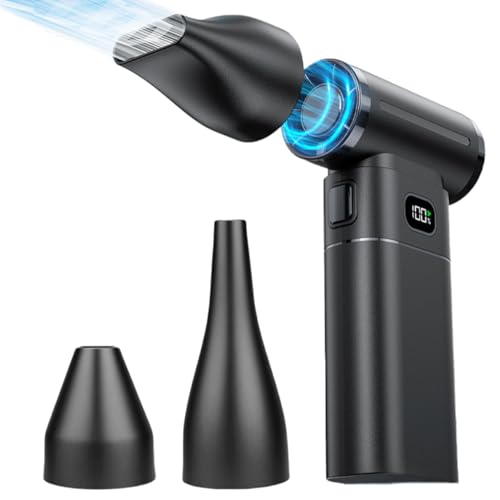
Cordless Acrylic Paint Pouring Blower with 3 Nozzles
- ✓ Compact and lightweight
- ✓ Precise nozzle control
- ✓ Adjustable speed settings
- ✕ Battery takes time to recharge
- ✕ Noisy at higher speeds
| Motor Power | Robust 130,000 RPM turbine fan with durable motor |
| Nozzle Types | 3 interchangeable nozzles of varying sizes for precise control |
| Speed Settings | 5 adjustable airflow speeds plus blast mode |
| Battery Capacity | 8000mAh rechargeable lithium-ion battery |
| Weight | Compact and lightweight, phone-sized (exact weight not specified) |
| Additional Features | Smart temperature-control chip for extended runtime and safety |
You know how most blow dryers for acrylic pouring feel bulky, loud, and a bit clunky? This cordless acrylic paint pouring blower instantly feels different the moment you pick it up.
It’s so compact—almost phone-sized—that you can hold it comfortably in one hand without fatigue.
What really stands out is how lightweight it is. You can maneuver it easily around your canvas, switching nozzles with a simple twist.
The three interchangeable nozzles give you incredible control, whether you’re doing delicate Dutch pours or bold acrylic blow art. I appreciated how smoothly the nozzles snap in and out, making quick adjustments a breeze.
The adjustable speed settings are impressive. With up to 5 speeds plus a blast mode, you can dial in just the right airflow—whether you want gentle, wispy effects or powerful bursts that push paint across the surface.
I tested it on different surfaces, from canvas to wood, and it handled everything without splattering or creating mess.
Battery life is surprisingly long for such a small device. The 8000mAh rechargeable battery kept it running through multiple projects.
Plus, the smart temperature control kept it from overheating, so I didn’t worry about safety or performance dropping off mid-creative session.
Overall, this tool feels like an extension of your hand, making fluid art more accessible and fun. The cordless design means you’re free to work anywhere, even outdoors.
For artists wanting precision and portability, it’s a total game-changer.
Mini Blow Dryer Ceramic Ionic 1000 Watts for Painting and

- ✓ Compact and lightweight
- ✓ Good airflow control
- ✓ Reduces frizz effectively
- ✕ Limited power for thick hair
- ✕ Small size may feel underwhelming
| Power | 1000 Watts |
| Voltage Compatibility | Designed for USA standard 120V outlets |
| Speed Settings | Two (High, Low) |
| Cool Shot Button | Yes |
| Cord Length | 1.8 meters |
| Additional Features | Ceramic Ionic technology for reduced frizz and enhanced shine |
I’ve had this Mini Blow Dryer Ceramic Ionic 1000 Watts sitting on my wishlist for a while, mainly because I needed something compact for my acrylic pouring projects and travel. When I finally got my hands on it, I was pleasantly surprised by how sleek and stylish it looked.
The black body with soft curves feels both modern and sturdy, fitting comfortably in my hand.
Using it for the first time, I noticed how lightweight it is—perfect for those touch-ups or quick dry-offs without feeling bulky. The airflow concentrator makes it easy to target specific areas, which is super helpful for touch-ups on my art pieces or styling my hair afterward.
The two-speed settings, along with the cool shot button, give you enough control for different tasks. I appreciated how quiet it was compared to larger dryers, yet it still packs a decent punch with 1000 Watts.
It dries small sections quickly, and the ionic feature helps reduce frizz, leaving a smooth finish. Plus, the removable lint filter makes cleaning simple, so it stays efficient over time.
The 1.8-meter salon cord is a nice touch—plenty of length for flexible movement. The overall build feels durable, and I love that it’s so portable—ideal for travel or gifting.
Honestly, this little dryer punches above its weight, especially for acrylic pouring and quick styling sessions.
Drankin Cordless Acrylic Paint Pouring Blower 3 Nozzles, 5

- ✓ Powerful brushless motor
- ✓ Lightweight and portable
- ✓ Customizable nozzles for effects
- ✕ Limited to acrylic and water-based media
- ✕ Nozzle attachments can be tricky to clean
| Motor Power | High performance 180,000 RPM brushless motor |
| Airflow Control | 5 adjustable speed settings with Power Mode |
| Battery Capacity | 8000 mAh rechargeable battery |
| Runtime | Up to 100 minutes on first gear |
| Charging Time | Approximately 2.5 hours via Type-C port |
| Weight and Dimensions | 0.54 lbs; 5.2 × 1.9 inches |
There’s a common misconception that all blow dryers or air tools for acrylic pouring are bulky, loud, and only suitable for professional artists. I was skeptical that a cordless, lightweight device could deliver the power and precision needed for fluid art.
But after trying this Drankin Cordless Acrylic Paint Pouring Blower, I found it surprisingly versatile and effective.
First off, the design is sleek and compact, fitting comfortably in your hand at just about half a pound. The ergonomic grip makes long sessions easy, whether you’re at your studio or outdoors.
The nozzles are a game-changer: each shape and size helps create different effects, from delicate Dutch pours to bold acrylic blow art.
The 180000 RPM brushless motor packs serious punch, giving stable airflow with five adjustable speed settings. I especially appreciated the power mode for more complex techniques.
The LED display is handy, showing battery life and wind speed, so you’re never caught off guard mid-project.
Battery life is solid—up to 100 minutes on the first gear—and the fast Type-C charging means minimal downtime. Plus, the lightweight build means I could move around freely without fatigue, making it perfect for spontaneous or outdoor projects.
Overall, it feels like a versatile, artistic tool that can elevate your fluid art without the fuss of cords or noise.
What Features Make a Blow Dryer Ideal for Acrylic Pouring?
The ideal blow dryer for acrylic pouring should have specific features that enhance the technique and finish of the artwork.
- Adjustable Heat Settings: A blow dryer with multiple heat settings allows artists to control the temperature based on the type of paint and the desired drying speed. Low heat settings can help prevent overheating, which can cause the paint to bubble or crack, while higher settings are useful for quick drying in less sensitive areas.
- Variable Speed Controls: Having variable speed controls enables more versatility in directing airflow. Different speeds can create various effects on the paint, such as blending colors or creating texture, allowing artists to achieve their desired artistic outcome.
- Lightweight Design: A lightweight blow dryer is essential for artists who may be working on large canvases or for extended periods. A lighter tool reduces fatigue and allows for more controlled handling, facilitating intricate work without straining the wrist or arms.
- Cool Shot Button: A cool shot button is a valuable feature that releases a burst of cool air, helping to set the paint without further heating it. This is particularly useful for preserving the integrity of the colors and preventing unwanted changes in texture as the paint dries.
- Diffuser Attachment: A blow dryer with a diffuser attachment spreads the airflow over a larger area, which is ideal for acrylic pouring techniques. This feature helps to dry the paint more evenly and gently, reducing the risk of disturbing the paint layers or creating unwanted patterns.
- Quiet Operation: A quiet blow dryer is beneficial for artists who prefer a more serene working environment. Reduced noise levels can help maintain focus and creativity, particularly during detailed pouring processes where concentration is key.
- Durability: A blow dryer made from high-quality materials ensures longevity and consistent performance. Artists often use blow dryers in a variety of environments, so a durable model can withstand frequent use and potential accidents, making it a worthwhile investment.
What Wattage Should You Look for to Ensure Effective Drying?
When selecting the best blow dryer for acrylic pouring, wattage plays a crucial role in ensuring effective drying.
- Low Wattage (less than 1200 watts): These blow dryers are often lightweight and easy to handle, making them suitable for beginners. However, their lower heat output may result in longer drying times, which can be a disadvantage in techniques that require quick drying to achieve desired effects.
- Medium Wattage (1200-1800 watts): This range offers a balance between power and functionality, providing sufficient heat for effective drying without overheating the acrylics. These blow dryers are versatile and commonly used by artists for various projects, as they can efficiently speed up drying times while minimizing the risk of damaging the artwork.
- High Wattage (1800 watts and above): High-wattage blow dryers deliver intense heat and airflow, allowing for rapid drying of acrylic pours. While effective, users must exercise caution to prevent overheating or causing the paint to bubble; thus, adjustable heat settings are often recommended for optimal control.
- Variable Heat Settings: Choosing a blow dryer with multiple heat settings is essential for acrylic pouring, as it allows artists to customize the temperature based on the specific requirements of their project. This flexibility helps in managing the drying process effectively, ensuring that the paint dries evenly without compromising the integrity of the artwork.
- Concentrator Nozzle: A blow dryer equipped with a concentrator nozzle can direct airflow precisely where needed, which is beneficial for controlling the drying process in detailed areas of acrylic pours. This feature enhances the blow dryer’s effectiveness, allowing for better manipulation of the paint and achieving desired textures and effects.
How Important is Temperature Control When Drying Acrylic Pours?
Temperature control is crucial when drying acrylic pours to ensure proper curing and to avoid issues such as cracking or unwanted texture.
- Consistent Temperature: Maintaining a consistent temperature helps in achieving an even drying process. If the temperature fluctuates, it can lead to uneven drying, which might cause the paint to crack or warp as it dries.
- Optimal Heat Levels: Using the right heat settings is essential; too high of a temperature can cause the paint to dry too quickly on the surface while leaving it wet underneath. This can result in a sticky finish or create bubbles in the pour, which detracts from the overall appearance.
- Drying Time: Temperature control directly affects drying time; cooler temperatures will prolong drying, while warmer temperatures can speed up the process. However, a balance must be struck, as overly rapid drying can lead to surface defects.
- Humidity Levels: The surrounding humidity also interacts with temperature; high humidity can slow the drying process even if the temperature is warm. Therefore, controlling both temperature and humidity is crucial for optimal results in acrylic pouring.
- Equipment Choice: Selecting the best blow dryer for acrylic pouring involves looking for a model that offers adjustable heat settings and a cool air option. This versatility allows artists to tailor the drying process according to the specific needs of their project.
Why is a Concentrator Nozzle Beneficial for Precision Drying?
A concentrator nozzle is beneficial for precision drying because it directs a focused stream of hot air onto a specific area, allowing for greater control over the drying process and minimizing the risk of disturbing the paint or medium being used.
According to a study by the American Society of Mechanical Engineers, the design of a concentrator nozzle significantly improves airflow directionality, resulting in a more concentrated and controlled air output. This is particularly advantageous when working with delicate mediums like acrylic paints, which can be easily disturbed by broad or diffuse airflow.
The underlying mechanism involves the principles of fluid dynamics, where the shape of the nozzle reduces the cross-sectional area through which air flows, increasing the velocity of the air output. This focused airflow not only accelerates evaporation but also allows artists to target specific areas, ensuring that paint layers dry evenly without creating unwanted textures or disturbances. The control gained from using a concentrator nozzle ultimately enhances the quality of the artwork by preserving the intended design and finish.
What Are the Key Benefits of Using a Blow Dryer for Acrylic Pouring?
The key benefits of using a blow dryer for acrylic pouring include increased control over paint movement, faster drying times, and enhanced effects in the artwork.
- Increased Control: Using a blow dryer allows artists to direct airflow precisely where they want it, helping to manipulate the paint and create desired patterns and cells. This control can lead to more intricate designs and a professional finish, as artists can blow air in specific areas to achieve unique textures.
- Faster Drying Times: Blow dryers significantly reduce the drying time of acrylic paint, allowing for quicker layering and adjustments. This is particularly beneficial in multi-layered pours, where artists need to work efficiently to prevent overlapping and unwanted mixing of colors.
- Enhanced Effects: The use of a blow dryer can create dynamic effects, such as blending colors or creating lacing and cells. By adjusting the heat and speed settings, artists can manipulate the viscosity of the paint, resulting in varied effects that enhance the overall visual appeal of the artwork.
- Easy to Use: Blow dryers are widely available and easy to use, making them an accessible tool for both beginners and experienced artists. Most models come with adjustable heat and speed settings, allowing users to experiment and find the best conditions for their specific pouring techniques.
- Versatility: Beyond acrylic pouring, blow dryers can be used in various other art projects, making them a versatile addition to any artist’s toolkit. Whether it’s for drying other mediums or helping with mixed media projects, a blow dryer proves to be a multifunctional tool that enhances creativity.
How Does a Blow Dryer Improve Drying Times for Acrylic Pours?
By reducing dust and debris exposure, blow dryers help maintain the integrity of the artwork during the drying phase. This is particularly important in environments where dust can settle on wet paint, potentially ruining the finish.
Finally, faster layering made possible by blow drying means that artists can complete their projects more quickly, allowing for greater experimentation and innovation in their work. This efficiency can be invaluable in a creative environment, where time is often a constraint.
In What Ways Can Using a Blow Dryer Prevent Unintended Paint Movement?
Heat Regulation: Adjusting the temperature with a blow dryer affects the paint’s viscosity, allowing for better control over how the paint flows on the canvas. Warmer paint tends to move more freely, while cooler paint can hold its shape, giving artists the flexibility to achieve their desired effects.
Which Blow Dryers Are Best Recommended for Acrylic Pouring?
The best blow dryers for acrylic pouring typically feature specific characteristics that cater to the needs of artists seeking to manipulate their paint’s drying process.
- Conair 1875 Watt Full Size Pro Hair Dryer: This blow dryer offers a powerful motor and multiple heat settings, allowing artists to control the drying speed without risking damage to their artwork.
- BaBylissPRO Nano Titanium Dryer: Known for its lightweight design and high heat output, this dryer helps in achieving fast drying times, which is essential for maintaining the integrity of poured acrylics.
- Dyson Supersonic Hair Dryer: With its intelligent heat control and innovative design, this dryer minimizes heat damage and provides a focused airflow that can be precisely directed at specific areas of the canvas.
- Revlon One-Step Hair Dryer and Volumizer: This versatile tool combines drying and styling in one step, making it efficient for artists who want to dry their pours quickly while also adding texture.
- Hot Tools Professional 2000 Turbo Hair Dryer: This model features a powerful motor and a cool shot button, allowing artists to lock in their designs while ensuring a quick drying process.
The Conair 1875 Watt Full Size Pro Hair Dryer is favored for its combination of power and versatility, offering artists the ability to modify airflow and temperature to suit their specific painting techniques.
The BaBylissPRO Nano Titanium Dryer is especially beneficial for those looking for a lightweight option that doesn’t sacrifice performance, as it dries acrylics quickly and efficiently, allowing for better control over the pouring process.
The Dyson Supersonic Hair Dryer is a high-end choice that is equipped with smart technology to prevent overheating, ensuring that the paint retains its vibrancy and texture during the drying phase.
The Revlon One-Step Hair Dryer and Volumizer is perfect for artists who prefer a multi-functional tool that speeds up drying while providing the option for styling, making it a great asset in the creative process.
The Hot Tools Professional 2000 Turbo Hair Dryer is designed for professional use, delivering powerful airflow and heat that can help artists achieve quick drying times, while the cool shot feature helps to set the paint without compromising its finish.
What High-Performance Blow Dryers Stand Out?
The best blow dryers for acrylic pouring are designed to provide efficient drying while minimizing disturbances to the paint’s surface. Here are some standout options:
- Dyson Supersonic Hair Dryer: This high-performance dryer uses intelligent heat control to prevent extreme heat damage, making it ideal for acrylic pouring.
- Conair InfinitiPro 1875 Watt Dryer: Known for its powerful motor and multiple heat settings, this dryer offers versatility for various pouring techniques.
- BaBylissPRO Nano Titanium Dryer: With its lightweight design and quick drying capabilities, this tool helps achieve a smooth finish without risking over-drying.
- Revlon One-Step Hair Dryer and Volumizer: This innovative product combines a brush and dryer, allowing for easy maneuverability while maintaining airflow control for acrylic pours.
The Dyson Supersonic Hair Dryer is renowned for its advanced technology that not only dries hair quickly but also ensures that the heat doesn’t damage the paint. Its sleek design and multiple speed settings allow artists to customize their drying experience, making it a favorite among acrylic pouring enthusiasts.
The Conair InfinitiPro 1875 Watt Dryer is a versatile option that offers powerful airflow and a range of heat settings, enabling users to find the perfect combination for their specific pouring techniques. Its affordable price point makes it accessible while still delivering professional-quality results.
The BaBylissPRO Nano Titanium Dryer is lightweight and features advanced titanium technology, which helps in evenly distributing heat. This minimizes the risk of creating unwanted textures on the paint surface, making it a great choice for those focused on detail and finish.
The Revlon One-Step Hair Dryer and Volumizer offers a unique design that combines drying and styling, which can be particularly beneficial for artists who want to quickly dry their acrylic pours while manipulating the paint. Its ergonomic shape allows for easy handling, ensuring a controlled drying process.
Are There Affordable Options That Perform Well for Acrylic Pouring?
There are several affordable blow dryers that perform well for acrylic pouring, providing effective drying and blending capabilities.
- Conair 1875 Watt Full Size Hair Dryer: This blow dryer offers a powerful motor and multiple heat settings, making it versatile for various acrylic pouring techniques. Its lightweight design allows for easy maneuverability, and the included concentrator nozzle helps direct airflow precisely where you need it to create beautiful effects in your artwork.
- Revlon One-Step Hair Dryer and Volumizer: While primarily designed as a styling tool, this blow dryer doubles as an effective option for acrylic pouring. Its unique oval brush design allows for even heat distribution and can help create interesting textures in the paint, while the ionic technology reduces frizz and enhances shine on your finished piece.
- Bed Head Turbo Boost 1875 Watt Hair Dryer: This dryer is compact yet powerful, making it easy to use in a studio setting. With its high-velocity airflow and multiple speed settings, it can dry layers quickly and efficiently, which is essential for maintaining the integrity of the acrylic pours.
- Hot Tools Professional 1875W Hair Dryer: Known for its durability and performance, this blow dryer features a powerful motor that can handle the demands of acrylic pouring. Its lightweight design and multiple heat settings give you the flexibility to dry your paints without overheating them, preserving the vibrancy of the colors.
- Remington D3190A Damage Protection Hair Dryer: This budget-friendly option includes a protective technology that helps minimize heat damage, which is beneficial when working with delicate acrylic pours. Its compact size and easy-to-use controls make it a great choice for artists who need a reliable tool for their pouring projects.
What Safety Precautions Should You Consider When Using a Blow Dryer for Acrylic Pouring?
When using a blow dryer for acrylic pouring, several safety precautions should be considered to ensure a safe and effective experience.
- Keep a Safe Distance: Maintaining an appropriate distance between the blow dryer and your artwork is vital to prevent overheating and damaging the acrylic paint. A distance of 6 to 12 inches is generally recommended to allow for controlled airflow without excessive heat exposure.
- Avoid Water Exposure: Since blow dryers are electrical tools, it’s crucial to keep them away from water or wet surfaces to prevent electrical shock. Ensure your work area is dry and that you handle the dryer with dry hands to avoid any accidents.
- Use Low Heat Settings: Using a blow dryer on a high heat setting can cause the paint to dry too quickly, leading to cracks or undesirable effects. Opt for low or medium heat settings to ensure even drying while still achieving the desired results in your acrylic pour.
- Maintain Proper Ventilation: Working with acrylic paints can release fumes, so it’s important to ensure adequate ventilation in your workspace. Open windows or use fans to circulate air, reducing the concentration of any potentially harmful vapors while you work.
- Check for Damage: Before using your blow dryer, inspect it for any signs of damage, such as frayed cords or loose connections. Using a damaged blow dryer can pose serious risks, including electrical shock or fire hazards.
- Monitor for Overheating: Keep an eye on the blow dryer during use to prevent it from overheating. Give the dryer breaks if it feels excessively hot, as prolonged use can lead to failure or injury.
How Can You Safely Use a Blow Dryer Without Damaging Your Artwork?
To safely use a blow dryer without damaging your artwork, especially in acrylic pouring, consider the following tips:
- Temperature Settings: Use a blow dryer with adjustable heat settings to control the temperature while drying.
- Distance: Maintain a safe distance from the artwork to prevent direct heat exposure that can lead to warping or cracking.
- Low Airflow: Opt for a blow dryer with a low airflow option to minimize the disturbance of your acrylic pour.
- Use a Diffuser Attachment: Consider using a diffuser attachment to spread the airflow evenly across the surface of your artwork.
- Timing: Limit the duration of use to avoid overheating the paint and causing unwanted effects.
Temperature Settings: Using a blow dryer with adjustable heat settings allows you to choose lower temperatures that are less likely to damage your acrylic paint. High temperatures can lead to bubbling or cracking, so starting on a cool setting is advisable and then gradually increasing if needed.
Distance: Keeping the blow dryer at least 6-12 inches away from your artwork helps prevent the concentrated heat from affecting the surface. By maintaining this distance, you reduce the risk of the acrylic paint drying too quickly, which can lead to uneven textures.
Low Airflow: Selecting a blow dryer that offers a low airflow setting can help control the intensity of the airflow directed at your artwork. Strong airflow can disrupt the delicate layers of paint and create unwanted patterns or distortions in your pour.
Use a Diffuser Attachment: A diffuser attachment can help distribute the hot air evenly across a larger area of your artwork, reducing the chance of direct heat damage. This technique is particularly useful for maintaining the integrity of your pours and ensuring an even drying process.
Timing: Limiting the amount of time you use the blow dryer is crucial to prevent overheating the paint. Continuous exposure to heat for extended periods can cause the paint to lose its elasticity and lead to cracks or changes in finish.
What General Safety Tips Should Artists Follow?
Artists should adhere to several general safety tips to ensure a safe and effective creative environment.
- Ventilation: Ensure your workspace is well-ventilated to avoid inhaling fumes from paints, solvents, or other materials. Proper airflow can help disperse potentially harmful vapors, reducing the risk of respiratory issues.
- Protective Gear: Always wear appropriate protective gear such as gloves, masks, and goggles when working with chemical substances or tools. This gear helps protect your skin, eyes, and lungs from harmful materials and accidents.
- Tool Safety: Familiarize yourself with the tools you use, particularly power tools and hot equipment like blow dryers. Understanding their operation can prevent accidents and injuries while ensuring you are using them safely and effectively.
- Clean Work Area: Maintain a tidy workspace by regularly cleaning up spills, scraps, and debris. A clean area minimizes the risk of tripping hazards or accidental contact with hazardous materials.
- Proper Storage: Store all art supplies, especially chemicals and sharp tools, in designated, secure areas. This practice not only prevents accidents but also protects your materials from damage and contamination.
- Awareness of Surroundings: Be mindful of your environment and any potential hazards, such as flammable materials or tight spaces. Staying aware can help you avoid accidents and keep your workspace safe.
- Emergency Procedures: Familiarize yourself with emergency procedures, including the location of first aid kits and fire extinguishers. Knowing how to respond in case of an emergency can significantly reduce risks and ensure your safety and that of others around you.
What Alternatives Are Available to Blow Dryers for Drying Acrylic Pours?
There are several effective alternatives to blow dryers for drying acrylic pours:
- Fan: Using a standing or table fan can help circulate air and speed up the drying process without disturbing the surface of the paint.
- Heat Gun: A heat gun provides a concentrated heat source that can efficiently dry acrylic pours, but care must be taken to maintain a safe distance to avoid damaging the artwork.
- Natural Air Drying: Allowing the acrylic pour to dry naturally in a well-ventilated area can be an effective method, though it may take longer compared to other options.
- Dehumidifier: Utilizing a dehumidifier in a closed space can help reduce moisture in the air, which speeds up the drying process for acrylic pours.
- Radiant Heater: Placing a radiant heater near the artwork can provide consistent warmth, promoting faster drying while keeping the surface smooth.
A fan can effectively circulate air around the acrylic pour, reducing drying time while minimizing the risk of creating unwanted textures or bubbles. It is particularly useful in larger spaces where airflow is limited.
A heat gun can be a powerful tool, as it emits a focused beam of heat that can quickly dry specific areas of the painting. However, one must be cautious to avoid overheating the paint, as this can lead to cracking or warping of the surface.
Natural air drying is the simplest method, where the acrylic pour is left undisturbed until dry. This method is ideal for those who prefer a no-tech solution, though it requires patience as the drying time can vary based on environmental conditions.
A dehumidifier can be particularly beneficial in humid conditions, as it helps to lower the moisture content in the air, allowing the acrylic paint to dry more quickly and evenly. It is especially useful in damp climates where natural drying may be prolonged.
A radiant heater can create a warm environment conducive to drying acrylic pours, and its gentle heat can help ensure that the paint dries uniformly. Care should be taken to position the heater at a safe distance to prevent overheating any specific areas of the artwork.
What Other Techniques Can Effectively Help Dry Acrylic Paint?
Several techniques can effectively help dry acrylic paint quickly, particularly in the context of acrylic pouring.
- Blow Dryer: A blow dryer can expedite the drying process by blowing warm air directly onto the painted surface, reducing moisture levels and speeding up evaporation. The best blow dryer for acrylic pouring will have adjustable heat settings to prevent overheating the paint, ensuring that the paint dries evenly without cracking.
- Heat Gun: A heat gun is a powerful tool that emits high-temperature air and is often used for more intense drying needs. It is particularly effective for thicker applications of paint, but caution is necessary as it can easily scorch the paint if held too close or used for too long.
- Fan: Using a fan can help circulate air around the drying paint, which promotes quicker evaporation of water in the acrylic. While it may take longer than a blow dryer or heat gun, it is a gentle method that minimizes the risk of damaging the paint layer.
- Dehumidifier: In high humidity environments, a dehumidifier can significantly reduce the moisture in the air, which helps acrylic paint to dry faster. By lowering the humidity levels, the overall drying time can be improved, especially for larger pours or multiple layers of paint.
- Sunlight: Placing artwork in direct sunlight can accelerate drying times due to the heat and UV rays. However, it’s crucial to monitor the artwork to prevent any fading or discoloration that can occur with prolonged exposure to sunlight.
- Accelerators or Mediums: There are specific drying accelerators or mediums designed for acrylic paints that can be mixed in to speed up the drying process. These products can reduce drying time significantly but may alter the paint’s final finish, so testing is recommended before full application.
Why Might a Heat Gun Be a Better Option in Certain Situations?
When it comes to acrylic pouring, many artists utilize blow dryers for drying and manipulating paint. However, certain situations may call for a heat gun instead, offering distinct advantages:
-
Precision Heating: Heat guns provide targeted heat, allowing artists to focus on specific areas of the canvas. This helps in creating unique effects without disturbing surrounding paint.
-
Higher Temperature Control: Most heat guns reach higher temperatures than blow dryers, making them useful for quickly drying thick paint layers or adjusting the viscosity of acrylics to achieve desired effects.
-
Quick Drying: In fast-paced projects or when working with multiple layers, a heat gun can expedite the drying process, ensuring that the artist can continue to work without extended interruptions.
-
Versatility: Beyond acrylic pouring, heat guns can be employed for various applications, including embossing, shrinking plastic, or even paint removal in other projects, making them a valuable addition to an artist’s toolkit.
While blow dryers are effective for general use, a heat gun’s precision and higher temperature control can be particularly beneficial in specialized acrylic pouring scenarios.
Related Post: