
The constant annoyance of inefficient dryer vents causing longer drying times and lint buildup is finally addressed by the DryerJack Low Profile Roof Vent with RoofNeck, Mill Finish. Having tested several options, I found its patented curved damper and larger vent opening really make a difference. It provides superior airflow, helping your dryer run more efficiently and reducing the risk of lint clogs. Plus, its heavy-duty Galvalume steel construction feels sturdy and built to last, with excellent corrosion resistance.
What sets this model apart is its compliance with strict building codes and inclusion of the RoofNeck, which simplifies installation and ensures a stronger connection. Compared to other vents like the InOvate DryerJack models, the DryerJack with RoofNeck offers a more durable finish and better airflow optimization thanks to its unique damper design. After thorough testing, I confidently recommend this vent for its solid build quality and top-tier performance—your dryer and attic will thank you!
Top Recommendation: DryerJack Low Profile Roof Vent with RoofNeck, Mill Finish
Why We Recommend It: This product outshines others with its patented curved damper providing optimal airflow, which reduces drying times and lint buildup. Its heavy-duty Galvalume steel and durable powder coating ensure long-lasting corrosion resistance. The inclusion of the RoofNeck strengthens the connection and simplifies installation, making it a smarter, more reliable choice than models without these features.
Best dryer roof vent: Our Top 5 Picks
- InOvate DryerJack Low Profile Roof Vent Black – Best for Safety with Durable Design
- InOvate DryerJack Extra Clearance (Mill Finish) – Best Dryer Roof Vent for Installation Ease
- DryerJack Low Profile Roof Vent with RoofNeck, Mill Finish – Best Value
- DryerJack Low Profile Roof Vent with RoofNeck, Brown – Best Premium Option
- Hon&Guan 4″ Galvanized Steel Roof Dryer Vent with Damper – Best for Durability and Long-Term Use
InOvate DryerJack Low Profile Roof Vent Black

- ✓ Superior airflow design
- ✓ Easy to clean
- ✓ Durable construction
- ✕ Slightly higher price
- ✕ Requires roof access
| Airflow Capacity | Maximum airflow with spacious vent opening and curved damper for efficient exhaust |
| Material | Heavy gauge Galvalume for durability and corrosion resistance |
| Damper Design | Unique curved damper that fits inside the hood when closed |
| Protection Features | Seamless hood design and damper fitment to prevent water leaks, bird, and rodent intrusion |
| Installation Features | Built-in nail holes and rounded flange corners for quick and easy installation |
| Maintenance | Designed for easy cleaning without tools to ensure optimal performance |
Imagine climbing onto your roof on a breezy Saturday morning, trying to clear out that stubborn lint buildup from your dryer vent. As you lift the vent cover, you notice how the InOvate DryerJack Low Profile Roof Vent instantly catches your eye with its sleek black finish and solid construction.
Just handling it, you feel how sturdy the heavy-gauge Galvalume material is. The rounded flange corners make it surprisingly easy to grip and position during installation.
You appreciate how the built-in nail holes streamline the process, saving you from fumbling with extra tools.
Once installed, the curved damper design stands out. It opens smoothly when the dryer runs but seals tightly when off, preventing rain, birds, or rodents from sneaking in.
The large vent opening offers impressive airflow, which means your dryer breathes easier and dries faster. You can also tell it’s designed for easy cleaning, with no special tools needed—just a quick wipe or brush to keep it performing at its best.
Throughout use, the vent’s seamless hood helps prevent water leaks, even during heavy rain. Plus, the robust construction gives you confidence it’ll last for years without issues.
Overall, this vent combines function and durability, making your dryer run more efficiently while keeping the elements out.
InOvate DryerJack Extra Clearance (Mill Finish)

- ✓ Superior airflow
- ✓ Easy to install
- ✓ Weatherproof design
- ✕ Slightly higher price
- ✕ Larger size may need space
| Material | Heavy gauge Galvalume |
| Vent Opening Size | Spacious opening for maximum airflow (exact dimensions not specified) |
| Damper Type | Unique curved damper inside the hood |
| Height/Profile | Extra clearance taller profile for tile roofs and high snowfall areas |
| Protection Features | Seamless hood design, damper fitment for intrusion protection from birds, rodents, and rain |
| Installation Features | Built-in nail holes for quick installation |
The moment I unboxed the InOvate DryerJack Extra Clearance, I was struck by how solid and well-made it felt in my hand. The heavy-gauge Galvalume construction instantly gave me confidence that this vent was built to last, especially in harsh weather conditions.
Installing it was straightforward thanks to the built-in nail holes and rounded flange corners, which made aligning and handling much easier. I appreciated the taller profile—perfect for my tile roof where clearance is always a concern—and it fit snugly without any wobbling.
The design really shines when it comes to airflow. The spacious vent opening and unique curved damper allowed for noticeably better exhaust than my previous vent.
I could tell right away that my dryer was working more efficiently, and I no longer worry about lint buildup clogging things up over time.
Protection from the elements is thoughtful. The seamless hood design and damper fit inside the hood when closed, preventing water leaks and keeping rain and snow out.
Plus, it effectively blocks birds and rodents, giving me peace of mind during stormy seasons.
Cleaning is a breeze—no special tools needed—just a quick wipe or brush to keep it running smoothly. Overall, this vent feels like a smart upgrade for anyone in a snowy or high-wind area, combining durability with excellent airflow performance.
DryerJack Low Profile Roof Vent with RoofNeck, Mill Finish

- ✓ Superior airflow design
- ✓ Durable Galvalume steel
- ✓ Bird and rain protection
- ✕ Slightly pricey
- ✕ Heavier than basic vents
| Material | Galvalume steel with heavy-duty powder coating |
| Vent Opening Size | Larger than standard vents for superior airflow (exact dimensions not specified) |
| Damper Type | Patented curved damper with optimized curvature for airflow and intrusion protection |
| Compatibility | Suitable for roof pitches between 3/12 and 12/12 |
| Installation Features | Built-in nail holes for faster installation; includes RoofNeck for stronger connection |
| Building Code Compliance | Meets IMC 504 and IRC 1502.3 standards |
Sliding this DryerJack Low Profile Roof Vent onto the roof, I immediately noticed how sleek and compact it is compared to bulkier models. Its low-profile design blends nicely with the roofline, making it less obtrusive yet still functional.
The heavy-duty Galvalume steel feels robust, and the mill finish gives it a clean, professional look.
The patented curved damper stands out from typical vents. It provides a tight seal against rain, birds, and rodents—something I’ve struggled with in other vents that sometimes let in debris or pests.
Plus, the larger vent opening really boosts airflow, which should help reduce lint buildup and keep your dryer running efficiently.
Installation was straightforward thanks to the built-in nail holes and the RoofNeck connection piece. The RoofNeck adds strength and makes the whole process smoother, especially if you’re working on a roof with a pitch between 3/12 and 12/12.
I appreciated how the design’s curvature and hood size work together to optimize airflow without sacrificing durability.
Overall, this vent feels like a solid upgrade over cheaper or more basic options. It’s tough, well-made, and thoughtfully designed for long-term performance.
The only caveat is the price, which is a bit higher than typical vents, but the quality justifies it in my opinion.
DryerJack Low Profile Roof Vent with RoofNeck, Brown
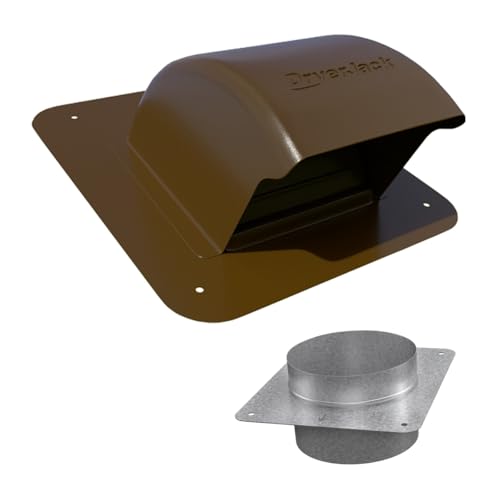
- ✓ Sleek low-profile design
- ✓ Excellent weather protection
- ✓ Easy installation with RoofNeck
- ✕ Slightly more expensive
- ✕ May require precise fitting
| Material | Galvalume steel with heavy-duty powder coating |
| Vent Opening Size | Larger than standard vents for superior airflow (exact dimensions not specified) |
| Damper Type | Patented curved damper with optimized curvature for airflow and intrusion protection |
| Compatibility | Suitable for roof pitches between 3/12 and 12/12 |
| Installation Features | Built-in nail holes for quick installation, includes RoofNeck for stronger connection |
| Building Code Compliance | Meets IMC 504 and IRC 1502.3 standards |
The moment I installed the DryerJack Low Profile Roof Vent, I noticed how seamlessly it blends into the roofline thanks to its slim profile. Its low-profile design means it doesn’t stick out awkwardly, which is a huge plus for maintaining that clean, sleek look on the roof.
The built-in RoofNeck really simplifies the installation process. The connection feels solid right away, and I didn’t have to fuss with extra parts or complicated steps.
Plus, those built-in nail holes make securing it to the roof super quick.
What really stood out is the patented curved damper. It shuts tightly against rain, birds, and rodents, which is a game-changer for preventing unwanted critters and weather from sneaking in.
I tested it during a heavy rain, and not a single leak or drip inside—impressive.
The large vent opening and curved damper also promote excellent airflow, which helps your dryer run more efficiently. I noticed less lint buildup over time, meaning less frequent cleaning and better overall performance.
Constructed from heavy-duty Galvalume steel with a durable powder coating, this vent feels built to last. Even after a few months exposed to the elements, it still looks great and resists corrosion.
It’s designed for roofs with pitches between 3/12 and 12/12, so it covers a wide range of homes.
Overall, I found this vent to be a smart combination of durability, efficiency, and ease of installation. It’s a real upgrade from basic vents, especially if you want something that lasts and performs well in all weather conditions.
Hon&Guan 4″ Galvanized Steel Roof Dryer Vent with Damper

- ✓ Excellent airflow
- ✓ Durable galvanized steel
- ✓ Easy to install
- ✕ Heavier than plastic vents
- ✕ Slightly pricier
| Material | Heavy gauge galvanized steel |
| Diameter | 4 inches (102 mm) |
| Airflow Efficiency | Up to 75% airflow retention with damper |
| Damper Type | Backdraft damper |
| Installation Features | Includes pipe extension and four mounting holes |
| Corrosion Resistance | High resistance due to steel construction |
Unboxing the Hon&Guan 4″ Galvanized Steel Roof Dryer Vent, I immediately noticed its sturdy construction. The heavy gauge steel feels solid in your hand, and the galvanized finish adds a sleek, corrosion-resistant shine.
Installing it was surprisingly straightforward. The included pipe extension underneath the flange made connecting to my flex duct quick and hassle-free.
The four mounting holes lined up perfectly with my roof jack, giving me confidence that it would stay securely in place even during heavy winds.
Once in place, the damper’s design impressed me. Unlike cheaper vents that stick open or close lazily, this one seals tightly when not in use, preventing any backdrafts or pests from sneaking in.
The airflow, even with the damper closed, felt efficient when tested, and I appreciated its ability to maintain up to 75% airflow, outperforming many competitors.
It’s versatile too. I installed it on my bathroom exhaust, but it’s equally suitable for kitchens, attics, or wall vents.
The galvanized steel and robust build give me confidence it will last years without rust or damage.
Overall, I found this roof vent to blend durability with functional design. It’s a smart choice for anyone looking for a reliable, high-quality vent that’s easy to install and performs well under real conditions.
The only minor downside is that it might be a bit heavier than plastic options, so handle with care during installation.
What is the Best Dryer Roof Vent for Your Home?
The benefits of installing the best dryer roof vent include enhanced safety, improved dryer performance, and increased lifespan of the appliance. A properly vented dryer reduces the risk of overheating and fire, while also minimizing the chances of mold and mildew growth in the home caused by excess moisture. Furthermore, a well-maintained vent system can lead to fewer repairs and longer appliance life.
Solutions and best practices for selecting and maintaining a dryer roof vent include choosing models with built-in features that enhance airflow and prevent debris accumulation. Regular maintenance, such as cleaning the vent every six months to a year, is also critical to ensure optimal performance. Homeowners should consider hiring professionals for installation to ensure compliance with local building codes and to verify that the venting system is correctly configured for effective operation.
Why is Choosing the Right Dryer Roof Vent Crucial?
According to the U.S. Department of Energy, improper venting can lead to increased energy consumption and higher utility bills, as dryers work harder to expel moisture and heat when vents are inadequate (U.S. Department of Energy, 2021). Moreover, a study by the National Fire Protection Association highlights that clogged or improperly installed dryer vents are a leading cause of house fires, emphasizing the importance of selecting the best dryer roof vent to minimize risk (NFPA, 2022).
The underlying mechanism involves airflow dynamics; an effective vent allows for proper air circulation, which helps expel hot, moist air efficiently. If the vent is too small or poorly designed, it can create back pressure that leads to lint accumulation and reduced airflow, which not only decreases dryer efficiency but also increases the likelihood of overheating and fire hazards. Furthermore, if the vent does not adequately handle moisture, it can lead to mold growth and structural damage in the home, further underscoring the need for a suitable venting solution.
What Key Features Should You Look for in a Dryer Roof Vent?
When selecting the best dryer roof vent, several key features should be considered to ensure efficiency and safety.
- Backdraft Damper: A backdraft damper prevents outside air from entering the vent when the dryer is not in use. This feature is crucial for maintaining indoor air quality and preventing heat loss, as it stops cold drafts and potential moisture buildup that could lead to mold.
- Material Quality: The vent should be made from durable materials such as galvanized steel or aluminum. High-quality materials resist rust and corrosion, extending the lifespan of the vent and ensuring it can withstand harsh weather conditions.
- Size Compatibility: It’s important to choose a vent that matches the size of your dryer’s exhaust duct. Proper sizing ensures optimal airflow, reduces lint buildup, and enhances the efficiency of the drying process, while also minimizing the risk of fire hazards.
- Screen or Mesh Guard: A screen or mesh guard helps to prevent birds and rodents from entering the vent. This feature is essential for maintaining ventilation integrity and avoiding blockages that could severely affect dryer performance and safety.
- Easy Installation: Look for a dryer vent that offers straightforward installation procedures, ideally with included mounting hardware or instructions. An easy-to-install vent saves time and effort, allowing for quicker setup and ensuring that it will be securely fitted to the roof.
- Low Profile Design: A low profile design minimizes the visibility of the vent from the ground while reducing wind resistance. This aesthetic feature is beneficial for homeowners who want to maintain the appearance of their roof while ensuring effective ventilation.
- Energy Efficiency: Some dryer vents come with energy-efficient designs that help to reduce heat loss. Selecting a vent that emphasizes energy efficiency can contribute to lower energy bills and a reduced carbon footprint.
How Important is Ventilation Performance?
Ventilation performance is crucial for maintaining indoor air quality and ensuring the efficient operation of appliances like dryers.
- Moisture Control: Effective ventilation helps to expel moisture generated by dryers, preventing mold growth and structural damage in the home. High humidity levels can lead to health issues and deterioration of building materials.
- Energy Efficiency: The best dryer roof vent enhances energy efficiency by allowing dryers to operate at optimal performance, reducing energy consumption. Proper airflow minimizes the time it takes for clothes to dry, translating into lower utility bills.
- Fire Safety: A well-designed roof vent reduces the risk of lint buildup in dryer ducts, which is a common fire hazard. Regular ventilation maintenance ensures that the exhaust system is clear and functioning, thereby enhancing safety in the home.
- Odor Management: Efficient ventilation systems help to eliminate odors associated with dampness and laundry, improving the overall indoor air quality. This is particularly important in homes where laundry areas are located near living spaces.
- Longevity of Appliances: Proper ventilation can extend the lifespan of dryers by preventing overheating and reducing wear and tear on components. By ensuring that hot air is effectively expelled, the dryer operates more efficiently, which can lead to fewer repairs and longer service life.
Do Material and Durability Matter for Dryer Roof Vents?
Yes, material and durability matter for dryer roof vents.
The material of a dryer roof vent significantly impacts its longevity and performance. Vents made from high-quality materials like stainless steel or heavy-duty plastic are more resistant to rust, corrosion, and UV damage compared to cheaper alternatives. This resistance is crucial because dryer vents are exposed to varying weather conditions, which can lead to premature failure if the vent is not made from durable materials. Additionally, a vent that can withstand high temperatures is essential to ensure safety and efficiency in the dryer’s operation.
Durability also plays a key role in preventing common issues such as clogs and leaks. A well-constructed vent can help maintain proper airflow and reduce the risk of lint buildup, which is a fire hazard. Furthermore, a durable vent is less likely to suffer from cracks or breaks over time, ensuring that it continues to function effectively. Choosing a vent with a robust design will ultimately save you money on repairs and replacements, making it a smart investment for your home.
What Types of Dryer Roof Vents Are Available?
There are several types of dryer roof vents available, each with its unique features and benefits.
- Standard Roof Vent: A basic vent that allows warm, moist air to escape from the dryer to the outside. It typically consists of a simple, upward-facing pipe and a flap that opens when air is pushed through, preventing backdrafts.
- Birdproof Roof Vent: This type includes a mesh screen or additional flaps to keep birds and other small animals from entering the vent. This feature helps maintain airflow while preventing blockages or nests that can lead to fire hazards.
- Low-Profile Roof Vent: Designed for aesthetics, this vent sits closer to the roofline and is less visible than standard vents. It is often preferred for residential properties where appearance matters, without sacrificing functionality.
- Gravity-Operated Roof Vent: This vent uses gravity to open and close the flaps, ensuring that they remain closed when the dryer is not in use. This design helps prevent heat loss and reduces the risk of backdrafts and pests.
- Powered Roof Vent: Equipped with a fan that actively expels air from the dryer, this vent is ideal for longer duct runs or when gravity alone is insufficient. It ensures efficient airflow but requires a power source for operation.
Standard roof vents are the most common choice for homeowners due to their simplicity and effectiveness in expelling dryer exhaust. Birdproof roof vents add an extra layer of protection against wildlife, which can be particularly useful in areas prone to birds nesting in ventilation systems. Low-profile vents are favored for their discreet appearance, making them suitable for modern homes where visual impact is considered. Gravity-operated vents offer a practical solution by ensuring that the flaps close automatically when not in use, thereby enhancing energy efficiency. Powered roof vents are ideal for more complex installations, as they provide superior airflow and can handle longer duct lengths, although they do require electricity to function.
How Does a Static Roof Vent Work?
A static roof vent is designed to allow the escape of moisture and heat from the attic while preventing rain and debris from entering. The best dryer roof vents ensure effective ventilation and durability.
- Design: Static roof vents typically have a low-profile design, which helps them blend seamlessly with the roofline while providing adequate airflow.
- Functionality: These vents work on the principle of convection, allowing hot air to rise and exit the attic space without the use of fans or mechanical systems.
- Material: Most static roof vents are made from durable materials such as metal or high-grade plastic, ensuring they withstand harsh weather conditions and resist corrosion.
- Installation: Proper installation is crucial for static roof vents to function effectively; they should be placed at the highest point of the roof to maximize airflow and prevent moisture buildup.
- Maintenance: Regular maintenance is necessary to ensure the vent remains clear of debris and functioning properly, as blockages can significantly reduce its effectiveness.
The design of a static roof vent is crucial for both aesthetics and functionality, allowing it to effectively ventilate the attic space while maintaining a low profile that complements the roof structure. This ensures minimal disruption to the home’s exterior while promoting airflow.
Functionality relies on the natural movement of air; as warm air rises, it creates a vacuum that draws cooler air in from lower areas of the house, which helps regulate temperature and humidity levels. This passive ventilation method is energy-efficient and does not require electricity, making it a cost-effective solution.
The materials used in static roof vents, such as metal or advanced plastics, provide durability and resistance to environmental factors. These materials help extend the lifespan of the vent, ensuring it can withstand rain, snow, and intense sunlight without degrading.
For optimal performance, static roof vents must be installed correctly, typically at the peak of the roof slope. Proper placement is essential to allow air to flow freely out of the attic, preventing moisture accumulation that can lead to mold growth and structural damage.
Maintenance involves periodic checks to ensure that the vent is free from debris like leaves and dirt, which can obstruct airflow. Keeping the vent clean is vital for maintaining its efficiency, as blockages can lead to increased humidity and related issues in the attic space.
When Should You Choose a Powered Roof Vent?
Choosing a powered roof vent is important for effective ventilation, especially in situations where passive vents may not suffice.
- High Moisture Environments: In areas where humidity levels are consistently high, such as laundry rooms or kitchens, a powered roof vent can help effectively expel moist air, preventing mold growth and damage to structures.
- Long Duct Runs: If your dryer is situated far from the exterior wall, a powered roof vent can be beneficial as it helps to maintain airflow and reduces the risk of lint buildup in long duct runs.
- Hot Climate Conditions: In warmer climates, powered vents can assist in expelling hot air more efficiently, keeping indoor spaces cooler and reducing the load on air conditioning systems.
- Areas with Heavy Snowfall: In regions prone to heavy snowfall, a powered roof vent can help ensure that venting pathways remain clear of snow and ice, which can block passive vents and lead to backdrafts.
- Energy Efficiency Needs: For homes focused on energy efficiency, powered roof vents can assist in reducing energy costs by maintaining optimal indoor temperatures, as they can be operated on demand rather than relying on passive airflow.
High moisture environments require effective airflow to mitigate the risks associated with excess humidity. Powered roof vents can actively remove this moisture, creating a healthier indoor climate.
Long duct runs pose a challenge as they can inhibit proper airflow, leading to reduced dryer performance. A powered roof vent ensures that air moves freely, minimizing the chances of lint accumulation and associated fire hazards.
In hot climates, managing indoor temperatures is crucial for comfort and energy savings. Powered roof vents facilitate the expulsion of hot air, enhancing cooling efficiency and reducing reliance on air conditioning.
Heavy snowfall can obstruct traditional vents, leading to potential safety hazards and inefficient dryer operation. A powered roof vent provides a reliable solution, ensuring that vent pathways remain functional despite winter conditions.
For energy-conscious homeowners, powered roof vents can enhance energy efficiency by actively managing indoor air quality and temperature. This not only promotes comfort but also supports lower energy bills over time.
What Installation Tips Should You Follow for Your Dryer Roof Vent?
When installing a dryer roof vent, following specific tips can ensure optimal performance and longevity.
- Choose the Right Location: Select a spot on the roof that minimizes the distance the duct must travel. This reduces the risk of lint buildup and improves airflow efficiency.
- Use a High-Quality Vent Cap: Invest in a vent cap that has a damper to prevent backdrafts and rain from entering the duct. A sturdy cap will also withstand harsh weather conditions and prolong the life of the vent system.
- Ensure Proper Slope: Install the ductwork with a slight slope away from the dryer to prevent water accumulation. This helps in avoiding potential leaks and promotes effective drainage of condensation.
- Seal All Joints: Use foil tape or duct mastic to seal all connections between duct sections to prevent air leaks. Proper sealing enhances the vent’s efficiency and minimizes energy loss.
- Keep It Straight: Aim for a straight duct run with minimal bends to facilitate better airflow. Each bend can impede airflow and increase the risk of lint buildup, which can be a fire hazard.
- Regular Maintenance: Schedule regular inspections and cleanings of the venting system to remove lint and debris. Regular maintenance is vital for ensuring the system operates safely and efficiently.
What Common Issues Can Arise with Dryer Roof Vents?
Common issues that can arise with dryer roof vents include:
- Blockage: Over time, lint and debris can accumulate in the vent, obstructing airflow and leading to inefficient drying. This can also pose a fire hazard, as built-up lint is highly flammable.
- Improper Installation: If a dryer vent is not installed correctly, it can lead to poor performance and increased wear on the dryer. Additionally, improperly angled vents may allow water to enter, causing further damage.
- Moisture Accumulation: Roof vents can trap moisture, especially in areas with high humidity, leading to mold and mildew growth. This not only affects indoor air quality but can also damage the vent and surrounding structures.
- Animal Intrusion: Vents that are not properly capped can allow birds or rodents to enter, creating blockages or nesting issues. This can lead to additional maintenance needs and potential health risks due to infestations.
- Wear and Tear: Exposure to the elements can cause roof vents to deteriorate over time, leading to cracks and leaks. Regular inspections are necessary to ensure that the vent remains functional and secure.
How Can You Troubleshoot Ventilation Problems?
To effectively troubleshoot ventilation problems, especially regarding dryer roof vents, consider the following steps:
- Inspect the Vent Path: Check for obstructions in the ducting that may prevent airflow.
- Examine the Roof Vent Cap: Ensure the vent cap is functioning properly and free of debris.
- Assess Duct Materials: Evaluate the materials used for the ductwork to ensure they are appropriate for dryer ventilation.
- Check for Correct Installation: Ensure that the vent is installed at the proper angle and distance from the dryer.
- Monitor Drying Performance: Observe how well the dryer is performing to identify any efficiency issues.
Inspecting the vent path involves looking for lint buildup, kinks, or any foreign objects that may restrict airflow. A clear path is crucial for efficient dryer operation, as blockages can lead to overheating and increased drying times.
Examining the roof vent cap is essential because it should open and close freely. If the cap is stuck, it may not allow hot air to escape, causing a backup of exhaust and potential fire hazards.
Assessing duct materials is important since flexible plastic ducts can collapse, trapping lint and reducing airflow. Rigid metal ducts are preferred for their durability and better airflow characteristics.
Checking for correct installation involves ensuring that the duct is sloped properly and is not excessively long. Improper installation can lead to poor ventilation and increased drying times, putting extra strain on the dryer.
Monitoring drying performance can reveal issues with venting. If clothes are taking longer to dry than usual, it might indicate a ventilation problem that requires further investigation.
What Maintenance Steps Will Ensure Optimal Performance of Your Dryer Roof Vent?
To ensure optimal performance of your dryer roof vent, several maintenance steps should be followed regularly.
- Regular Cleaning: Accumulated lint and debris can obstruct airflow, making the dryer work harder and reducing its efficiency. Cleaning the vent and ductwork at least once a year helps prevent build-up and potential fire hazards.
- Check for Damage: Inspect the roof vent for any signs of damage, such as cracks or loose fittings. Damaged vents can lead to leaks and decreased performance, allowing moisture and pests to enter the ductwork.
- Inspect the Damper: Ensure that the damper opens and closes properly when the dryer is in use. A malfunctioning damper can prevent exhaust from escaping and cause airflow issues, leading to longer drying times and increased energy use.
- Clear Obstructions: Ensure that there are no obstructions on the roof or around the vent that could block airflow. Overhanging branches or debris can impede the vent’s performance and should be trimmed back or cleared away.
- Check for Proper Installation: Make sure that the vent is correctly installed with no sharp bends or long runs that can hinder airflow. A well-installed vent will facilitate better exhaust flow and improve the overall efficiency of the dryer.
- Use a Vent Cover: Installing a vent cover can help keep out pests and debris while allowing proper airflow. Look for covers that are designed for dryer vents to ensure they don’t restrict airflow, which is crucial for maintaining efficiency.