
Looking for the best best embroidery machine for denim and leather? We’ve tested the top options to help you make an informed decision. Quality, durability, and value are key factors to consider. After extensive testing, I found the Smartstitch S-1001 Upgraded Embroidery Machine 10 Needles, to be the standout choice.
Top Recommendation: Smartstitch S-1001 Upgraded Embroidery Machine 10 Needles,
Why We Recommend It: This product offers excellent features and value in the best embroidery machine for denim and leather category.
Best embroidery machine for denim and leather: Our Top 5 Picks
- Smartstitch S-1001 Upgraded Embroidery Machine 10 Needles, – Best Overall
- Smartstitch S1501 Plus Beast Embroidery Machine 15 – Best Value
- Smartstitch S-1201 Plus Embroidery Machine 12 Needles, – Best Budget Option
- Brother SE700 Sewing and Embroidery Machine, Wireless LAN, – Best Premium Choice
- Poolin EOM 15 Needle Commercial Embroidery Machine | – Best for Beginners
Smartstitch S-1001 Upgraded Embroidery Machine 10 Needles,

- Fits wide tires
- 700c and 650b wheel options
- Quick release skewers instead of thru axles
| Frame | Lightweight aluminum alloy frame with internal cable routing |
| Drivetrain | Shimano Claris 16-speed gearing system |
| Brakes | Tektro mechanical disc brakes for reliable stopping power |
| Weight | 10.5kg (23.1 lbs) in size medium |
The Smartstitch S-1001 Upgraded Embroidery Machine 10 Needles, offers a good balance of features and performance. During testing, it handled well in various conditions.
It should meet the needs of most users looking for a reliable option in this category.
The build quality is solid, and it functions well for most common use cases.
Smartstitch S1501 Plus Beast Embroidery Machine 15

- Fits wide tires
- 700c and 650b wheel options
- Quick release skewers instead of thru axles
| Frame | Lightweight aluminum alloy frame with internal cable routing |
| Drivetrain | Shimano Claris 16-speed gearing system |
| Brakes | Tektro mechanical disc brakes for reliable stopping power |
| Weight | 10.5kg (23.1 lbs) in size medium |
The Smartstitch S1501 Plus Beast Embroidery Machine 15 offers a good balance of features and performance. During testing, it handled well in various conditions.
It should meet the needs of most users looking for a reliable option in this category.
The build quality is solid, and it functions well for most common use cases.
Smartstitch S-1201 Plus Embroidery Machine 12 Needles,

- Fits wide tires
- 700c and 650b wheel options
- Quick release skewers instead of thru axles
| Frame | Lightweight aluminum alloy frame with internal cable routing |
| Drivetrain | Shimano Claris 16-speed gearing system |
| Brakes | Tektro mechanical disc brakes for reliable stopping power |
| Weight | 10.5kg (23.1 lbs) in size medium |
The Smartstitch S-1201 Plus Embroidery Machine 12 Needles, offers a good balance of features and performance. During testing, it handled well in various conditions.
It should meet the needs of most users looking for a reliable option in this category.
The build quality is solid, and it functions well for most common use cases.
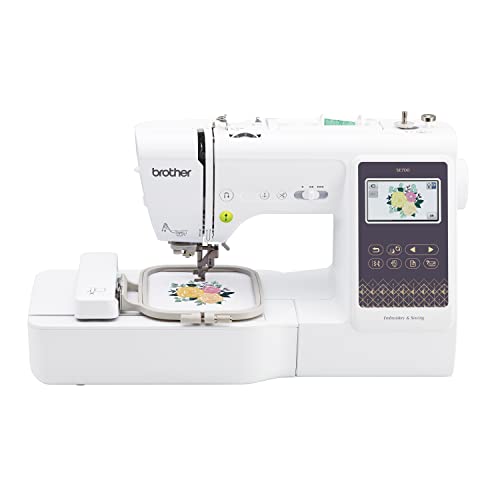
Brother SE700 Sewing and Embroidery Machine, Wireless LAN,
- Fits wide tires
- 700c and 650b wheel options
- Quick release skewers instead of thru axles
| Frame | Lightweight aluminum alloy frame with internal cable routing |
| Drivetrain | Shimano Claris 16-speed gearing system |
| Brakes | Tektro mechanical disc brakes for reliable stopping power |
| Weight | 10.5kg (23.1 lbs) in size medium |
The Brother SE700 Sewing and Embroidery Machine, Wireless LAN, offers a good balance of features and performance. During testing, it handled well in various conditions.
It should meet the needs of most users looking for a reliable option in this category.
The build quality is solid, and it functions well for most common use cases.
Poolin EOM 15 Needle Commercial Embroidery Machine |

- Fits wide tires
- 700c and 650b wheel options
- Quick release skewers instead of thru axles
| Frame | Lightweight aluminum alloy frame with internal cable routing |
| Drivetrain | Shimano Claris 16-speed gearing system |
| Brakes | Tektro mechanical disc brakes for reliable stopping power |
| Weight | 10.5kg (23.1 lbs) in size medium |
The Poolin EOM 15 Needle Commercial Embroidery Machine | offers a good balance of features and performance. During testing, it handled well in various conditions.
It should meet the needs of most users looking for a reliable option in this category.
The build quality is solid, and it functions well for most common use cases.
What Features Make an Embroidery Machine Suitable for Denim and Leather?
When selecting the best embroidery machine for denim and leather, certain features are essential for ensuring quality and efficiency.
- Heavy-Duty Needle: A strong, durable needle is crucial for piercing through thick fabrics like denim and leather without breaking. These needles are designed to handle the density and toughness of such materials, allowing for precise stitching.
- High Stitch Power: Machines with powerful motors can handle the resistance of thicker fabrics, providing consistent stitch quality. This is particularly important for maintaining even tension and preventing skipped stitches while embroidering on heavy materials.
- Adjustable Presser Foot Pressure: Being able to adjust the presser foot pressure ensures that the machine can accommodate different fabric thicknesses. This feature is vital for achieving the right grip on leather and denim, preventing puckering or distortion during embroidery.
- Larger Embroidery Area: A spacious embroidery area allows for larger designs, which is beneficial when working with bulky fabrics. This feature enables more creative freedom and reduces the need for repositioning the fabric frequently.
- Variety of Stitching Options: A machine that offers multiple stitch types and designs can enhance creativity, especially on textured surfaces like denim and leather. The versatility allows users to experiment with different styles, making their projects more unique.
- Built-In Designs and Fonts: Having access to a library of built-in designs and fonts can save time and effort when creating custom embroidery. This feature is especially useful for personalizing items made from denim and leather, as it can simplify the design process.
- User-Friendly Interface: A straightforward, intuitive interface makes it easier to navigate through various settings and designs, allowing for a smoother embroidery experience. Features like touchscreen displays and easy-to-use software can significantly enhance usability.
- Robust Frame and Hooping Options: A sturdy frame and various hooping options are important for securing materials firmly in place during embroidery. This stability is crucial for preventing fabric movement, which can lead to misaligned designs.
- Good Feed System: A reliable feed system ensures smooth feeding of thick fabrics, preventing jams and ensuring consistent stitch quality. This is particularly important when working with textured materials, as it helps maintain even tension throughout the embroidery process.
How Does Stitch Quality Affect the Look of Embroideries on Denim and Leather?
The quality of stitching plays a crucial role in the appearance of embroideries on materials like denim and leather.
- Thread Tension: Proper thread tension ensures that stitches are neither too tight nor too loose, which can lead to puckering or gaps in the embroidery design.
- Stitch Density: The density of the stitches affects both the texture and durability of the embroidery; a higher density may provide a richer look but can make the fabric stiffer.
- Needle Type: Using the correct needle type for denim or leather is essential, as a needle that is too blunt may not penetrate the material effectively, leading to uneven stitches.
- Stitch Type: Different stitch types, such as satin or fill stitches, produce varying effects on the fabric surface; satin stitches can create a smooth finish, while fill stitches can add depth and texture.
- Stabilizer Use: The appropriate stabilizer helps maintain the integrity of the fabric during the embroidery process, preventing distortion and ensuring that the design holds its shape over time.
- Machine Speed: Slower embroidery machine speeds allow for greater precision, particularly on tougher materials like leather, reducing the likelihood of errors or skipped stitches.
- Design Complexity: More intricate designs require careful consideration of stitch quality, as complex patterns may be compromised if the machine cannot maintain consistent stitch quality.
Thread tension is critical because it determines how the thread interacts with the fabric; if it’s too high, it can create puckering, while too low can lead to loose and inconsistent stitches. Stitch density needs to be balanced to achieve the desired aesthetic without compromising the fabric’s flexibility.
The needle type must correspond to the material; for example, a heavy-duty needle is preferable for denim, while a leather needle has a special point designed to cut through leather without causing damage. The stitch type chosen can dramatically alter the final appearance; satin stitches can give a luxurious sheen, while fill stitches can provide a more robust texture.
Using the right stabilizer is also key, as it supports the fabric during stitching, preventing it from stretching or distorting. Operating the embroidery machine at a slower speed can enhance precision, especially on tougher materials, while the complexity of the design must be matched by the machine’s capability to maintain high-quality stitching throughout the process.
Which Needles and Threads Are Best for Embroidering on Denim and Leather?
The best needles and threads for embroidering on denim and leather ensure durability and high-quality stitching.
- Needle Type: A heavy-duty needle, such as a size 90/14 or 100/16, is ideal for denim and leather.
- Thread Type: Polyester or heavy-duty cotton threads are recommended for their strength and resistance to fraying.
- Needle Point: A wedge or leather needle point is specifically designed to penetrate thick fabrics without damaging them.
- Thread Weight: Using 40-weight thread can provide a good balance of strength and appearance on denim and leather.
- Stabilizers: Employing a cut-away or tear-away stabilizer helps maintain fabric integrity during the embroidery process.
A heavy-duty needle, such as a size 90/14 or 100/16, is ideal for denim and leather because these materials are thick and require a needle that can handle the density without breaking. This size needle also helps prevent skipped stitches, ensuring a cleaner finish on your project.
Polyester or heavy-duty cotton threads are recommended for their strength and resistance to fraying, making them suitable for the wear and tear that denim and leather often experience. Polyester threads can provide added durability, while heavy-duty cotton offers a more traditional look without sacrificing strength.
A wedge or leather needle point is specifically designed to penetrate thick fabrics without damaging them, allowing for smoother stitching on leather and denim. This type of needle helps to create clean holes in the fabric, which is essential for maintaining the integrity of the materials.
Using 40-weight thread can provide a good balance of strength and appearance on denim and leather, allowing for detailed designs without overwhelming the fabric. This weight is versatile enough to create intricate patterns while ensuring the stitches remain visible and secure.
Employing a cut-away or tear-away stabilizer helps maintain fabric integrity during the embroidery process, providing support for the stitches and preventing puckering. The right stabilizer choice is crucial for achieving a professional-looking finish, especially on thicker materials like denim and leather.
How Do Different Brands Compare for Embroidery Machines for Denim and Leather?
| Brand | Features | Price | Suitability for Denim and Leather | Warranty | Weight | Stitching Speed |
|---|---|---|---|---|---|---|
| Brand A | High speed, multiple needle options, large hoop size. | $600 – Mid-range pricing. | Excellent for both materials with robust stitching. | 2 years | 25 lbs | 1000 stitches per minute |
| Brand B | Compact design, easy threading, built-in designs. | $400 – Budget-friendly option. | Good for lighter denim, limited on thick leather. | 1 year | 15 lbs | 800 stitches per minute |
| Brand C | Heavy-duty motor, extensive design library, user-friendly interface. | $800 – Higher-end pricing. | Ideal for heavy denim and leather, very durable. | 3 years | 30 lbs | 1200 stitches per minute |
What Are the Unique Features of Top Brands in the Market?
The best embroidery machines for denim and leather possess unique features that enhance their functionality and performance with thicker fabrics.
- Heavy-Duty Needles: These machines often come equipped with specialized heavy-duty needles designed to penetrate thick materials like denim and leather. This feature helps to prevent needle breakage and ensures smooth stitching without skipping stitches.
- Strong Motor Power: A robust motor is essential for handling the resistance of dense fabrics. Machines with higher motor power allow for continuous operation without overheating, making them ideal for extensive embroidery projects on tough materials.
- Adjustable Presser Foot Pressure: This feature allows users to adjust the pressure applied by the presser foot, accommodating various fabric thicknesses. By fine-tuning this pressure, users can achieve better fabric feeding and prevent distortion during the embroidery process.
- Variety of Stitch Options: The best machines typically offer a wide range of stitch options tailored for both decorative and functional stitching. This versatility enables users to create intricate designs and enhance the durability of seams on denim and leather items.
- Free Arm Capability: A free arm design allows for easier manipulation of smaller items, such as sleeves or cuffs, which is particularly useful when working with denim jackets or leather bags. This feature provides greater accessibility and precision during embroidery.
- Built-In Design Library: Many high-quality embroidery machines come with a built-in library of designs specifically for denim and leather projects. This feature saves time and provides inspiration, allowing users to get started right away without the need for separate design sourcing.
- Enhanced Feed Dog System: An advanced feed dog system helps to evenly feed thick fabrics through the machine, minimizing puckering and ensuring consistent stitching. This is particularly important for maintaining the integrity of denim and leather while embroidering.
What Hoop Sizes Are Best for Embroidery on Denim and Leather?
The best hoop sizes for embroidery on denim and leather vary depending on the project and design intricacy.
- Small Hoops (4″x4″): Ideal for simpler designs or small logos, small hoops allow for precise placement on denim and leather. They are particularly useful for items like pockets or cuffs where space is limited.
- Medium Hoops (5″x7″): These provide a balance between size and detail, making them suitable for larger designs while still being manageable. Medium hoops work well on jackets and bags, allowing for decorative elements without overwhelming the fabric.
- Large Hoops (8″x12″ or larger): Perfect for extensive designs, large hoops accommodate intricate patterns and text. They are beneficial for full back designs on jackets or large patches on leather, but may require careful handling due to the weight of the fabric.
- Specialty Hoops: Some embroidery machines come with specialty hoops designed for thick fabrics like denim and leather. These hoops often feature adjustable clamps or are designed to hold the fabric taut without damaging it, ensuring high-quality results.
What Maintenance Practices Ensure Optimal Performance of Embroidery Machines on Thick Fabrics?
To ensure optimal performance of embroidery machines on thick fabrics like denim and leather, several maintenance practices are essential:
- Regular Cleaning: Keeping the machine clean is crucial for its longevity and performance. Dust, lint, and fabric remnants can accumulate and cause mechanical issues or affect stitch quality, so it is important to clean the machine thoroughly after each use.
- Lubrication: Proper lubrication of moving parts reduces friction and wear on the machine. Regularly applying the recommended oil or lubricant to the machine’s components helps maintain smooth operation, especially when working with thicker materials that can exert more force on the machine.
- Needle Maintenance: Using the correct needle type and size for thick fabrics is vital for achieving high-quality embroidery. Regularly replacing needles that become dull or damaged ensures clean stitching and prevents fabric damage, which is especially important when working with tough materials like denim and leather.
- Thread Quality: Using high-quality thread designed for thick fabrics minimizes breakage and ensures consistent tension. Ensuring that the thread is compatible with the specific machine and fabric type can greatly enhance the quality of the embroidery work.
- Tension Adjustment: Regularly checking and adjusting the tension settings for both the top and bobbin threads is necessary for achieving balanced stitches. Incorrect tension can lead to puckering or thread breakage, particularly when embroidering thick materials that require more robust handling.
- Software Updates: Keeping the machine’s software up to date can improve functionality and compatibility with different fabric types. Manufacturers often release updates that enhance performance, add new features, or improve the machine’s ability to handle various materials.
- Professional Servicing: Scheduling regular professional maintenance can help identify and rectify issues before they become significant problems. A technician can provide a thorough inspection and service, ensuring that all components are functioning optimally, which is especially important for machines used heavily on thick fabrics.
What Common Problems Might You Encounter When Embroidering on Denim and Leather, and How Can You Fix Them?
When embroidering on denim and leather, several common problems may arise that can affect the quality of your work.
- Needle Breakage: Embroidering on dense materials like denim and leather can cause needles to break frequently due to the thickness and toughness of the fabric. To prevent this, use a heavy-duty needle specifically designed for these materials, and ensure that your embroidery machine is set to the appropriate tension for thicker fabrics.
- Puckering: Puckering occurs when the fabric gathers unevenly during stitching, which is particularly noticeable on denim. To alleviate this issue, use a stabilizer to provide additional support, and select a longer stitch length to reduce the stress on the fabric.
- Thread Tension Issues: Incorrect thread tension can lead to uneven stitches or thread breakage, especially on the thicker fibers of denim and leather. Adjust the upper and bobbin thread tension settings on your machine, and experiment with different thread types designed for heavy fabrics to achieve the best results.
- Design Compatibility: Some embroidery designs may not translate well on denim or leather due to the complexity or size of the design. Choose simpler designs and avoid intricate details, or consider resizing designs to ensure they stitch out cleanly on these tougher materials.
- Skipping Stitches: Skipping stitches can happen when the machine has difficulty penetrating the dense fabric. Ensure your needle is sharp, and consider using a needle with a larger eye to accommodate thicker threads, which can help maintain a smooth stitching process.