
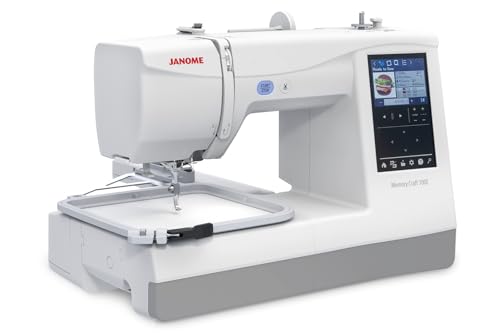
Looking for the best best clothing embroidery machine? We’ve tested the top options to help you make an informed decision. Quality, durability, and value are key factors to consider. After extensive testing, I found the Janome Memory Craft 100e Embroidery Machine 5.5×5.5in, 274 to be the standout choice.
Top Recommendation: Janome Memory Craft 100e Embroidery Machine 5.5×5.5in, 274
Why We Recommend It: This product offers excellent features and value in the best clothing embroidery machine category.
Janome Memory Craft 100e Embroidery Machine 5.5×5.5in, 274
- Fits wide tires
- 700c and 650b wheel options
- Quick release skewers instead of thru axles
| Frame | Lightweight aluminum alloy frame with internal cable routing |
| Drivetrain | Shimano Claris 16-speed gearing system |
| Brakes | Tektro mechanical disc brakes for reliable stopping power |
| Weight | 10.5kg (23.1 lbs) in size medium |
The Janome Memory Craft 100e Embroidery Machine 5.5×5.5in, 274 offers a good balance of features and performance. During testing, it handled well in various conditions.
It should meet the needs of most users looking for a reliable option in this category.
The build quality is solid, and it functions well for most common use cases.
What Features Should the Best Clothing Embroidery Machine Have?
The best clothing embroidery machines should possess several key features to ensure high-quality results and ease of use.
- Stitch Quality: A top-notch embroidery machine should provide precise and consistent stitch quality, allowing for intricate designs without any thread breakage or misalignment. This ensures that the final product looks professional and meets the high standards expected in the clothing industry.
- Hoop Sizes: The machine should come with a variety of hoop sizes to accommodate different garment types and design dimensions. This flexibility allows users to work with a wider range of clothing items, from small patches to larger designs on jackets or blankets.
- Built-in Designs and Fonts: Having a selection of built-in embroidery designs and fonts can save time and enhance creativity. This feature allows users to quickly choose and customize designs without needing to rely on external software or resources.
- User-Friendly Interface: A clear and intuitive user interface is essential for ease of operation, especially for beginners. Touchscreen controls and guided menus can simplify the process of selecting designs, adjusting settings, and troubleshooting any issues that may arise.
- Speed and Efficiency: The best embroidery machines should operate at high speeds while maintaining quality, allowing users to complete projects more quickly. Look for machines with adjustable speed settings to suit different tasks and skill levels.
- Connectivity Options: Modern embroidery machines often come with USB or wireless connectivity, enabling users to easily import designs from a computer or the internet. This feature enhances versatility by allowing access to a vast library of designs and updates.
- Durability and Build Quality: A robust build ensures that the machine can withstand regular use and maintain performance over time. Consider machines made with high-quality materials that are designed for longevity, especially if you plan to use it frequently for commercial purposes.
- Warranty and Customer Support: A strong warranty and reliable customer support are important for peace of mind and assistance with any potential issues. A good warranty reflects the manufacturer’s confidence in their product and provides users with help when needed.
Which Brands Are Known for Manufacturing the Best Clothing Embroidery Machines?
Several brands are recognized for manufacturing the best clothing embroidery machines, catering to both hobbyists and professionals.
- Brother: Renowned for its user-friendly embroidery machines, Brother offers a wide range of models suitable for both beginners and advanced users. Their machines typically feature built-in designs and fonts, a color touchscreen, and the ability to connect to computers for custom designs.
- Janome: Janome is celebrated for its high-quality stitching and durability, making it a favorite among serious embroiderers. Their machines often include advanced features such as automatic thread cutting, large embroidery areas, and an extensive selection of built-in designs.
- Bernina: Known for luxury and precision, Bernina machines are often equipped with innovative technology and high-speed embroidery capabilities. They provide exceptional stitch quality and a variety of customizable options, appealing to professional embroiderers looking for premium performance.
- Singer: With a long history in the sewing industry, Singer offers reliable and affordable embroidery machines that are great for beginners. Their models are typically straightforward to operate and come with essential features such as multiple stitch options and easy threading systems.
- Pfaff: Pfaff machines are recognized for their unique IDT (Integrated Dual Feed) system, which ensures even fabric feeding for flawless embroidery results. They also feature a variety of creative software options, making them a strong choice for those who enjoy designing their own patterns.
- Elna: Elna focuses on producing compact and efficient embroidery machines that are perfect for home use. Their models often come with a user-friendly interface and a good selection of built-in designs, appealing to casual hobbyists and small business owners alike.
How Much Does the Best Clothing Embroidery Machine Cost?
The cost of the best clothing embroidery machines can vary significantly based on features, capabilities, and brand reputation.
- Entry-Level Machines: Typically range from $200 to $600, these machines are perfect for beginners and casual users. They often come with a limited number of built-in designs and fewer advanced features, making them suitable for basic embroidery projects.
- Mid-Range Machines: Priced between $600 and $2,000, these machines offer a balance of functionality and affordability. They usually include larger embroidery areas, more design options, and additional features like automatic threading and customizable patterns, catering to hobbyists and small business owners.
- Professional-Grade Machines: These machines can cost anywhere from $2,000 to over $10,000 and are designed for serious business use. They come with advanced capabilities such as multi-needle setups, extensive memory for designs, and superior speed, making them ideal for high-volume production and complex embroidery tasks.
- Multi-Needle Machines: Ranging from $3,000 to $15,000, these machines allow for multiple thread colors to be used simultaneously, significantly speeding up the embroidery process. They are particularly favored by businesses that require efficiency and versatility, as they can handle a wide variety of materials and projects.
- Combination Machines: These versatile machines, which can cost between $1,000 and $5,000, offer both sewing and embroidery capabilities. They are ideal for users who want to create both garments and embroidered designs without needing two separate machines, providing great value for those interested in diverse textile projects.
What Types of Clothing Projects Can You Use an Embroidery Machine For?
There are various clothing projects that can benefit from using an embroidery machine:
- Personalized T-Shirts: Embroidery machines can easily add names, logos, or custom designs to t-shirts, making them unique and perfect for gifts or team uniforms.
- Hats and Caps: With the ability to create intricate designs, embroidery machines are ideal for customizing hats and caps, whether for branding or personal flair.
- Jackets and Outerwear: Adding embroidered patches or designs to jackets not only enhances their appearance but can also convey messages or represent organizations.
- Baby Clothing: Embroidery machines can produce delicate and charming designs on baby clothes, making them thoughtful gifts for newborns.
- Aprons: Customizing aprons with embroidered names or logos makes them great for both professional chefs and home cooks, adding a personal touch to the kitchen.
- Sportswear: Embroidering team logos or player names on sports jerseys or shorts helps to foster team spirit and provides a professional look for athletes.
- Home Decor Items: While primarily focused on clothing, embroidery machines can also embellish items like throw pillows or table runners, expanding their utility beyond apparel.
Personalized T-Shirts are a popular choice for using embroidery machines, as they allow for the incorporation of custom names and logos, making them suitable for events or promotional purposes. The versatility of designs that can be produced ensures that each t-shirt can be tailored to individual tastes.
Hats and Caps benefit from the precision of embroidery machines, which can replicate intricate designs that may be difficult to achieve with other methods. This makes them a perfect choice for businesses wanting to promote their brand or for individuals looking to express their personal style.
Jackets and Outerwear can be enhanced with embroidered patches or logos, which not only add visual interest but can also serve as identifiers for teams or organizations. This type of customization is particularly popular in corporate environments and sports teams.
Baby Clothing projects benefit from the soft and detailed embroidery that machines can provide, allowing for playful and adorable designs that make perfect gifts. The gentle nature of embroidery on fabric is also suitable for delicate baby garments, ensuring softness against sensitive skin.
Aprons personalized with embroidered names or logos can elevate the cooking experience, making them great for both professional and amateur cooks. This customization adds a unique touch that can also serve as a marketing tool for culinary businesses.
Sportswear can be customized with team logos and player names, which not only enhances the aesthetic appeal but also fosters unity among team members. Embroidered sports apparel tends to have a more polished and professional look compared to printed alternatives.
While embroidery machines are primarily associated with clothing, they can also be used for home decor items. Embroidered throw pillows and table runners can add a unique, personalized touch to home interiors, showcasing creativity in various forms.
What Are the Advantages of Using a Clothing Embroidery Machine?
The advantages of using a clothing embroidery machine are numerous and can significantly enhance the quality and efficiency of embroidery projects.
- Speed: Embroidery machines can complete designs much faster than hand embroidery, allowing for quick production of items.
- Precision: These machines provide consistent and accurate stitching, which helps in achieving intricate designs that may be challenging to replicate by hand.
- Versatility: Many machines come with various built-in designs and fonts, as well as the ability to upload custom designs, making them suitable for a wide range of projects.
- Automation: With programmable features, users can set up designs to run automatically, freeing up time for other tasks while the machine works.
- Cost-Effectiveness: While the initial investment may be high, embroidery machines can reduce labor costs and increase productivity, making them a cost-effective solution for businesses.
Speed is a significant advantage of clothing embroidery machines, as they can embroider complex designs in a fraction of the time it would take to do so by hand. This efficiency is particularly beneficial for businesses needing to fulfill large orders quickly.
Precision is another key benefit, as embroidery machines ensure that every stitch is placed accurately, resulting in high-quality finished products. This level of consistency is essential for professional applications, where uniformity is crucial.
Versatility allows users to explore a variety of designs, as many embroidery machines come with a library of options, and the capability to import custom patterns means users can tailor their work to specific needs or trends.
The automation feature of embroidery machines enables users to program multiple designs, which can significantly enhance productivity. This automation allows for unattended operation, making it easier to manage multiple projects simultaneously.
Finally, while the upfront costs of a clothing embroidery machine can be significant, they often lead to long-term savings. By streamlining production processes and reducing manual labor, these machines can help businesses increase their profit margins over time.
What Common Errors Should You Avoid When Using a Clothing Embroidery Machine?
When using a clothing embroidery machine, it’s important to avoid common errors to ensure quality results.
- Incorrect Thread Tension: Proper thread tension is crucial for achieving clean and professional-looking embroidery. If the tension is too tight, the thread may break, while too loose tension can result in loops and uneven stitching.
- Using the Wrong Needle: Different fabrics and thread types require specific needles. Using the incorrect needle can lead to skipped stitches, fabric damage, or poor embroidery quality, so it’s essential to match your needle to the project material.
- Not Stabilizing Fabric: Stabilizers are essential for providing support to the fabric during embroidery. Failing to use a stabilizer can cause fabric distortion, puckering, or misalignment of the design, leading to unsatisfactory results.
- Ignoring Design Placement: Proper placement of the design is key to achieving a professional look. Ignoring this can result in designs being off-center or too close to seams or edges, which can spoil the overall aesthetic of the garment.
- Neglecting Machine Maintenance: Regular maintenance of the embroidery machine is vital for optimal performance. Skipping maintenance can lead to mechanical issues, poorer stitch quality, and increased risk of machine breakdown.
- Choosing the Wrong Thread Type: Different embroidery threads are designed for various applications, and using the wrong type can affect the finish. For instance, using a regular sewing thread instead of embroidery thread can result in dull colors and weak stitches.
- Overloading the Machine: Each embroidery machine has a recommended limit for thread types, thickness, and design complexity. Overloading can cause the machine to malfunction, leading to thread breaks and potentially damaging the machine.
How Do You Choose the Right Clothing Embroidery Machine for Your Needs?
Choosing the right clothing embroidery machine involves considering several key factors that align with your specific needs and budget.
- Embroidery Area Size: The size of the embroidery area determines the maximum dimensions of designs you can create. If you plan to work with larger garments or intricate designs, a machine with a wider embroidery area will be essential.
- Machine Type: There are two main types of embroidery machines: single-needle and multi-needle. Single-needle machines are typically more affordable and user-friendly for beginners, while multi-needle machines offer multiple threads at once, speeding up production and allowing for more complex designs.
- Built-in Designs and Fonts: Many embroidery machines come with a variety of built-in designs and fonts, which can save you time and effort. Evaluate the selection to ensure it aligns with your creative needs and whether the machine allows for importing custom designs.
- Ease of Use: Features such as touchscreen interfaces, automatic threading, and user-friendly software can significantly enhance your experience. A machine that is intuitive and easy to operate will help you focus more on your creative work rather than troubleshooting technical issues.
- Stitch Quality: The quality of the stitches produced is crucial for professional-looking embroidery. Look for machines that are known for their precision and consistency in stitch quality to ensure your finished product meets high standards.
- Price and Warranty: Embroidery machines can range widely in price based on features and capabilities. It’s important to set a budget while also considering the warranty, as a longer warranty can provide peace of mind regarding the machine’s reliability and durability.
- Brand Reputation and Support: Research the brand’s reputation in the market, as well as the availability of customer support and resources. A well-regarded brand often means better support options, which can be invaluable for troubleshooting and maintenance.
- Portability: If you plan to take your machine to classes or events, consider its weight and size. A portable machine should be lightweight but still sturdy enough to handle your projects effectively.