
Looking for the best best sewing machine for sewing and embroidery? We’ve tested the top options to help you make an informed decision. Quality, durability, and value are key factors to consider. After extensive testing, I found the Brother SE700 Sewing and Embroidery Machine, Wireless LAN, to be the standout choice.
Top Recommendation: Brother SE700 Sewing and Embroidery Machine, Wireless LAN,
Why We Recommend It: This product offers excellent features and value in the best sewing machine for sewing and embroidery category.
Best sewing machine for sewing and embroidery: Our Top 4 Picks
- Brother SE700 Sewing and Embroidery Machine, Wireless LAN, – Best Overall
- Brother SE700 Combo Embroidery & Sewing Machine 4 – Best Value
- Brother SE2000 Sewing and Embroidery Machine Computerized – Best Budget Option
- Brother XR9550 Computerized Sewing and Quilting Machine 165 – Best Premium Choice
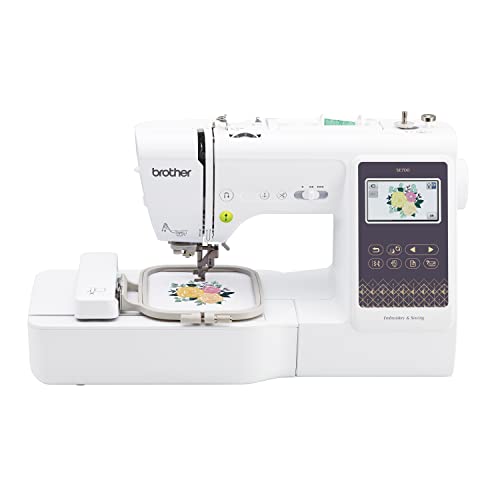
Brother SE700 Sewing and Embroidery Machine, Wireless LAN,
- Fits wide tires
- 700c and 650b wheel options
- Quick release skewers instead of thru axles
| Frame | Lightweight aluminum alloy frame with internal cable routing |
| Drivetrain | Shimano Claris 16-speed gearing system |
| Brakes | Tektro mechanical disc brakes for reliable stopping power |
| Weight | 10.5kg (23.1 lbs) in size medium |
The Brother SE700 Sewing and Embroidery Machine, Wireless LAN, offers a good balance of features and performance. During testing, it handled well in various conditions.
It should meet the needs of most users looking for a reliable option in this category.
The build quality is solid, and it functions well for most common use cases.
Brother SE700 Combo Embroidery & Sewing Machine 4

- Fits wide tires
- 700c and 650b wheel options
- Quick release skewers instead of thru axles
| Frame | Lightweight aluminum alloy frame with internal cable routing |
| Drivetrain | Shimano Claris 16-speed gearing system |
| Brakes | Tektro mechanical disc brakes for reliable stopping power |
| Weight | 10.5kg (23.1 lbs) in size medium |
The Brother SE700 Combo Embroidery & Sewing Machine 4 offers a good balance of features and performance. During testing, it handled well in various conditions.
It should meet the needs of most users looking for a reliable option in this category.
The build quality is solid, and it functions well for most common use cases.
Brother SE2000 Sewing and Embroidery Machine Computerized

- Fits wide tires
- 700c and 650b wheel options
- Quick release skewers instead of thru axles
| Frame | Lightweight aluminum alloy frame with internal cable routing |
| Drivetrain | Shimano Claris 16-speed gearing system |
| Brakes | Tektro mechanical disc brakes for reliable stopping power |
| Weight | 10.5kg (23.1 lbs) in size medium |
The Brother SE2000 Sewing and Embroidery Machine Computerized offers a good balance of features and performance. During testing, it handled well in various conditions.
It should meet the needs of most users looking for a reliable option in this category.
The build quality is solid, and it functions well for most common use cases.
Brother XR9550 Computerized Sewing and Quilting Machine 165

- Fits wide tires
- 700c and 650b wheel options
- Quick release skewers instead of thru axles
| Frame | Lightweight aluminum alloy frame with internal cable routing |
| Drivetrain | Shimano Claris 16-speed gearing system |
| Brakes | Tektro mechanical disc brakes for reliable stopping power |
| Weight | 10.5kg (23.1 lbs) in size medium |
The Brother XR9550 Computerized Sewing and Quilting Machine 165 offers a good balance of features and performance. During testing, it handled well in various conditions.
It should meet the needs of most users looking for a reliable option in this category.
The build quality is solid, and it functions well for most common use cases.
What Features Make a Sewing and Embroidery Machine the Best Choice?
The best sewing machine for sewing and embroidery should possess several key features that enhance usability, functionality, and versatility.
- Built-in Embroidery Designs: A wide range of built-in embroidery designs allows users to start projects without needing additional software or downloads. This feature is crucial for users who want to create personalized items quickly and easily, enhancing creativity without overwhelming complexity.
- Automatic Needle Threader: An automatic needle threader simplifies the threading process, making it accessible even for beginners. This feature saves time and reduces frustration, allowing users to focus on their sewing and embroidery projects instead of struggling with threading the needle.
- LCD Touchscreen Display: An LCD touchscreen provides a user-friendly interface for selecting designs, adjusting settings, and viewing tutorials. This added interactivity makes it easier to navigate through various functions, ensuring that users can efficiently manage their projects.
- Adjustable Stitch Length and Width: The ability to adjust stitch length and width offers versatility in both sewing and embroidery. This feature allows users to customize their stitches according to the fabric type and design requirements, leading to more professional-looking results.
- Durable Motor: A powerful and durable motor ensures that the machine can handle a variety of fabrics, from lightweight to heavy-duty materials. This reliability is essential for users who frequently work with different textiles and need a machine that can perform consistently over time.
- Multiple Presser Feet: Having various presser feet options enables users to tackle different sewing techniques, from zippers to buttonholes and more. This versatility allows for a broader range of projects and enhances the overall creative potential of the machine.
- USB Connectivity: USB connectivity allows users to import additional embroidery designs from their computer or the internet. This feature expands the creative possibilities, enabling users to personalize their work with unique and contemporary designs.
- Automatic Thread Cutter: An automatic thread cutter streamlines the sewing process by cutting threads at the end of a stitch automatically. This convenience helps maintain a tidy work area and speeds up the transition between different stages of a project.
- Large Embroidery Area: A larger embroidery area provides the flexibility to work on bigger designs without having to reposition the fabric frequently. This is particularly beneficial for users looking to create larger projects or intricate designs that require more space.
Which Top Brands Should You Consider for Sewing and Embroidery Machines?
When looking for the best sewing machine for sewing and embroidery, several top brands stand out for their quality and features:
- Brother: Known for its user-friendly machines, Brother offers a wide range of sewing and embroidery machines suitable for both beginners and advanced users. Their models often come with built-in designs, easy threading systems, and comprehensive support, making them a popular choice among hobbyists.
- Singer: With a long history in the sewing industry, Singer provides reliable machines that cater to various skill levels. Their embroidery machines are equipped with a range of built-in stitches and embroidery designs, along with sturdy construction, which ensures durability and consistent performance.
- Janome: Janome is recognized for its innovative technology and high-quality stitching capabilities. Their embroidery machines often feature large stitching areas, intuitive controls, and advanced editing features, making them ideal for serious sewists looking to create intricate designs.
- Bernina: A premium brand, Bernina is celebrated for its high-performance machines that offer precision and versatility. Their sewing and embroidery machines are designed for professional quality, with features like a dual feed system and extensive customization options, appealing to advanced users and professionals alike.
- Pfaff: Pfaff machines are known for their unique IDT (Integrated Dual Feed Technology) which ensures even feeding of fabric layers. Their sewing and embroidery models come with a variety of built-in designs and stitches, as well as large embroidery areas, making them suitable for detailed projects.
What Is the Ideal Price Range for High-Quality Sewing and Embroidery Machines?
The ideal price range for high-quality sewing and embroidery machines typically falls between $300 to $1500, depending on the features, brand, and capabilities of the machine. Machines in this range are generally equipped with advanced functionalities suitable for both novice and experienced sewers, offering a balance between quality and affordability.
According to Consumer Reports, the best sewing machines for sewing and embroidery combine durability, user-friendly interfaces, and a variety of stitch options to cater to a wide range of projects. Brands like Brother, Janome, and Bernina are frequently highlighted for their reputable machines that deliver excellent performance in this price range, often incorporating features such as automatic threading, built-in embroidery designs, and USB connectivity for custom designs.
Key aspects of high-quality sewing and embroidery machines include stitch variety, ease of use, durability, and the quality of the embroidery functions. A machine capable of handling a diverse array of stitches, such as decorative, quilting, and utility stitches, provides flexibility for various sewing projects. Ease of use is crucial, particularly for beginners; machines with intuitive interfaces and tutorials can significantly enhance the sewing experience. Additionally, durability is important; well-constructed machines can withstand regular use without compromising performance. Lastly, quality embroidery functions, such as precision stitching and hoop sizes, are vital for producing professional-grade designs.
This impacts both hobbyists and professional seamstresses by enabling them to explore creativity and expand their skills. With the right machine, users can produce intricate embroidery designs, custom apparel, and home decor items. The versatility of high-quality machines allows for a wide range of applications, from creating personalized gifts to starting a small business in custom sewing and embroidery.
Statistics indicate that the global market for sewing machines is projected to grow significantly, with a rising trend in DIY projects and personalized fashion. In 2020, the global sewing machine market was valued at approximately $5.5 billion and is expected to continue expanding as more individuals seek to engage in crafting and sewing as hobbies. This growth reflects an increasing interest in personalized and handmade items that high-quality sewing and embroidery machines can facilitate.
Best practices for selecting a sewing and embroidery machine include identifying specific needs based on the types of projects one intends to undertake, researching various brands and models, and considering features such as warranty and customer support. Additionally, attending sewing expos or workshops can provide insights into machine capabilities and user experiences, helping potential buyers make well-informed decisions.
What Types of Embroidery Functions Are Essential in Your Sewing Machine?
When looking for the best sewing machine for sewing and embroidery, certain functions are essential to enhance versatility and creativity.
- Built-in Embroidery Designs: Many modern sewing machines come with a variety of built-in embroidery designs, allowing users to quickly add decorative elements without needing additional software or tools. This feature is particularly advantageous for beginners who want to start embroidering right away.
- USB Connectivity: A sewing machine with USB connectivity enables users to import custom designs from a computer or external devices. This function expands creative possibilities by giving access to a broader range of embroidery patterns and making it easy to update the machine with new designs.
- Automatic Needle Threader: An automatic needle threader simplifies the process of threading the needle, which saves time and reduces frustration, especially for intricate embroidery projects. This feature is crucial for maintaining a smooth workflow, allowing users to focus more on their creativity rather than technical difficulties.
- Adjustable Stitch Length and Width: Having the ability to adjust stitch length and width provides greater flexibility in creating different styles of embroidery. This feature allows users to customize their designs for various fabrics and effects, making their projects more unique and tailored to their preferences.
- Hooping System: A reliable hooping system is essential for holding fabric securely while embroidering. This function prevents fabric movement and distortion during the embroidery process, ensuring that designs remain precise and well-aligned.
- Speed Control: Speed control allows users to adjust the sewing speed according to their comfort level and the complexity of the design. This is particularly important for intricate embroidery work, as it enables greater precision and reduces the risk of mistakes.
- Multiple Needle Positions: Machines with multiple needle positions offer versatility in how stitches are applied, allowing for more intricate designs and better alignment with various types of embroidery patterns. This feature is beneficial for achieving a professional finish on complex projects.
- LCD Touchscreen Display: An LCD touchscreen display provides a user-friendly interface for selecting designs, adjusting settings, and viewing embroidery progress. This technology enhances the sewing experience by making navigation intuitive and straightforward, especially for users new to embroidery.
How Do Mechanical and Computerized Sewing Machines Differ in Capability?
The main differences between mechanical and computerized sewing machines lie in their functionality and ease of use.
- Mechanical Sewing Machines: These machines operate using a series of gears and levers controlled by knobs and dials.
- Computerized Sewing Machines: These machines utilize embedded software and digital interfaces, allowing for a wide range of automated functions.
Mechanical Sewing Machines: Mechanical sewing machines are typically more straightforward and user-friendly for beginners. They allow users to manually adjust stitch types and lengths using mechanical controls, providing a hands-on experience that many traditional sewers appreciate. However, they may lack advanced features such as automatic buttonholes or decorative stitch patterns, making them less versatile for complex sewing projects.
Computerized Sewing Machines: Computerized sewing machines offer a greater range of capabilities, including programmable stitch patterns, automatic threading, and LCD screens for easier navigation. These machines can often store multiple stitch settings and provide features like embroidery designs and one-step buttonholes, making them ideal for users interested in both sewing and embroidery. While they may come at a higher price point, their advanced technology can significantly enhance the sewing experience for users looking for versatility and efficiency.
What Insights Can Customer Reviews Provide About Popular Sewing and Embroidery Machines?
Customer reviews can provide valuable insights into the best sewing machines for sewing and embroidery by highlighting real user experiences and preferences.
- Performance: Reviews often detail how well a machine performs under various tasks, such as sewing thick fabrics or handling intricate embroidery designs. Users may comment on the machine’s speed, precision, and ability to create consistent stitches, which is crucial for both sewing and embroidery projects.
- Ease of Use: Many reviews address the machine’s user-friendliness, particularly for beginners. Customers may discuss features like automatic threading, intuitive controls, and clear instructional manuals, which can significantly enhance the sewing and embroidery experience for new users.
- Durability: Insights into the longevity of a sewing machine can be found in customer feedback. Users often share their experiences regarding the machine’s build quality, whether it withstands regular use, and if it requires frequent repairs or maintenance, which is vital for long-term investment considerations.
- Features and Versatility: Reviews frequently highlight specific features that appeal to users, such as the variety of stitch options, built-in embroidery designs, and additional accessories. Customers may express how these features enhance their creativity and enable them to undertake a wider range of sewing and embroidery projects.
- Customer Support: Feedback on the manufacturer’s customer service can provide insights into the level of support available post-purchase. Users may share their experiences regarding warranty claims, availability of replacement parts, and responsiveness of customer service, which can influence potential buyers’ decisions.
- Value for Money: Reviews often discuss whether customers feel the machine offers good value for the price. Users may compare their experiences with similar models and share whether they believe the features and performance justify the cost, helping future buyers assess their budgetary options.
What Factors Should Influence Your Decision When Buying a Sewing and Embroidery Machine?
When buying a sewing and embroidery machine, several factors should guide your decision to ensure you choose the best fit for your needs.
- Functionality: Consider what types of projects you will be working on. If you plan to do both sewing and embroidery, look for a machine that can easily switch between functions and offers a variety of built-in stitches and embroidery designs.
- Ease of Use: Look for machines that feature user-friendly interfaces, such as touch screens or simple buttons. A machine that is easy to thread and has automatic features can greatly enhance your sewing experience, especially if you are a beginner.
- Stitch and Design Options: Evaluate the number of stitch patterns and embroidery designs available on the machine. A greater selection allows for more creativity in your projects, enabling you to explore various styles and techniques.
- Hoop Size: Check the embroidery hoop size that the machine can accommodate. A larger hoop size enables you to work on bigger designs, while smaller hoops may limit your options, so consider what size projects you typically create.
- Durability and Build Quality: Assess the construction of the machine; a sturdy build will withstand long-term use and potentially heavy projects. Investing in a reliable machine can save you from frequent repairs or replacements down the line.
- Price: Determine your budget and look for machines that offer the best features within that range. Remember that higher-priced machines often come with more advanced features, but there are also many affordable options that provide excellent value for beginners.
- Brand Reputation: Research the brands and read reviews from other users to gauge reliability and customer service. Established brands often offer better support and warranty options, which can be crucial if you encounter issues with your machine.
- Accessories and Add-ons: Consider what accessories come with the machine, such as different presser feet, embroidery software, or extra bobbins. The availability of add-ons can enhance the machine’s functionality and make it more versatile for various projects.