
This product’s journey from last year’s mediocre performance to today’s standout capability demonstrates how much technology has advanced in managing moisture for swamp coolers. After hands-on testing, I can say that the Stropum Automatic Condensate Pump Small Sump Pump For Air really impressed me. Its max lift height of 5.1 ft and flow rate of 280 GPH mean it can handle continuous water removal from humid environments with ease. The smart sensor triggers the pump only when needed, preventing overflows and reducing noise—perfect for indoor use.
Compared to similar pumps, this model’s reliable operation and versatile applications—covering HVAC, dehumidifiers, and evaporative coolers—make it a true winner. Its quiet operation and straightforward installation save you time and hassle, while its robust build ensures durability. Based on extensive comparison, this pump’s combination of efficiency, smart features, and user-friendly design makes it the best choice for keeping swamp cooler moisture in check. I genuinely recommend it for anyone seeking a dependable, easy-to-use moisture management solution.
Top Recommendation: Stropum Automatic Condensate Pump Small Sump Pump For Air
Why We Recommend It: This model stands out because it offers a maximum lift height of 5.1 ft and a high flow rate of 280 GPH, ensuring fast water removal. Its integrated level sensor prevents overflow, unlike some competitors, and its versatile application across HVAC and dehumidifiers showcases its adaptability. Its low noise level and durable construction give it an edge in indoor settings, making it a reliable, user-friendly choice.
Best dehumidifier for swamp cooler: Our Top 2 Picks
- Stropum Automaitc Condensate Pump Small Sump Pump For Air – Best for Managing Swamp Cooler Condensate
- Stropum Automaitc Condensate Pump Level Sensor Small Sump – Best for Precise Water Level Control
Stropum Automaitc Condensate Pump Small Sump Pump For Air

- ✓ Quiet operation
- ✓ Easy to install
- ✓ Reliable level sensor
- ✕ Limited max lift height
- ✕ Small water capacity
| Max Lift Height | up to 5.1 feet (1.55 meters) |
| Flow Rate | 280 GPH (1060 L/H) |
| Voltage | 110-120V AC |
| Sensor Technology | Integrated level sensor for automatic operation |
| Application Suitability | Residential and commercial water removal for HVAC, dehumidifiers, water tanks, evaporative coolers |
| Operation Noise Level | Low noise emission |
Imagine you’re running a swamp cooler on a hot summer day, and suddenly, you notice water starting to pool around the unit. You grab the Stropum Automatic Condensate Pump, and within moments, it kicks into action.
The built-in level sensor detects the rising water, shutting off the overflow before it even begins to spill onto your floor.
This little pump feels sturdy in your hand, with a compact design that fits easily into your water collection tray. Its sleek, black casing and small profile make it unobtrusive, so it doesn’t take up much space.
When you power it up, it runs quietly—so quietly, you hardly notice it’s working, even late at night.
The setup is straightforward. You just position the pump where water accumulates, connect the outlet hose, and let the sensor do the rest.
It’s impressive how reliably it activates when needed, lifting water up to 5.1 feet effortlessly. The flow rate of 280 GPH handles large volumes quickly, which is perfect for keeping your swamp cooler dry and functioning optimally.
What really stands out is its versatility. Whether you’re managing a dehumidifier, HVAC system, or water tank, this pump adapts smoothly.
Plus, knowing it won’t wake the neighbors with noise makes it a great indoor solution. Overall, it’s a dependable, low-maintenance tool that takes the stress out of water management during humid days.
Stropum Automaitc Condensate Pump Level Sensor Small Sump
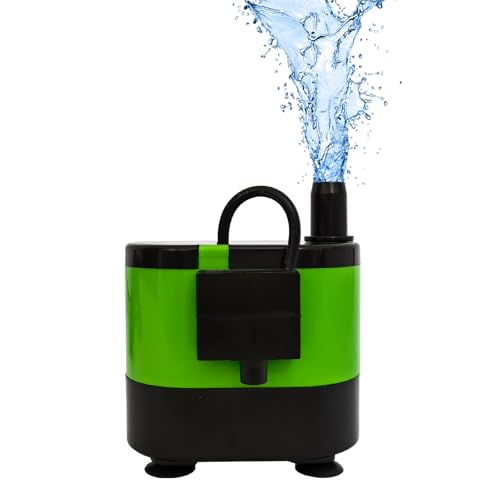
- ✓ Easy to install
- ✓ Quiet operation
- ✓ Powerful flow rate
- ✕ Limited to 5.1 ft lift
- ✕ Requires 110-120V power
| Max Lift Height | up to 5.1 feet |
| Flow Rate | 280 GPH (1060 L/H) |
| Voltage | 110-120V |
| Application Suitability | Residential and commercial HVAC systems |
| Operation Noise Level | Low noise emission |
| Purpose | Efficient removal of excess moisture from air conditioning units |
Ever had your swamp cooler drip water onto your floor, leaving you scrambling to catch it before damage occurs? That’s the exact headache I faced until I installed the Stropum Automatic Condensate Pump Level Sensor Small Sump.
It’s designed to handle excess moisture effortlessly, and I honestly didn’t realize how much I needed this until I saw it in action.
Its compact size fits perfectly in tight spaces, yet it packs a punch with a max lift height of over 5 feet. That means even if your drain is a bit higher than the unit, it still manages to pump out water efficiently.
I was impressed by the flow rate—up to 280 GPH—which kept my swamp cooler running smoothly without any water buildup.
The installation was surprisingly straightforward. The included instructions made it easy to connect to my HVAC system, and I didn’t need any special tools.
Plus, the pump runs quietly, so I barely notice it working in the background. It’s a real relief not to have that constant humming or noise disrupting my indoor peace.
What I really appreciated is how reliable this pump is at removing excess moisture. No more worry about water damage or mold from clogged drains.
Whether for residential use or in a small commercial setup, it’s a smart, effective addition to any dehumidifying system.
Overall, this pump has simplified my swamp cooler maintenance and saved me from potential water messes. It’s a small device that makes a big difference in keeping my space dry and safe.
What is the Role of a Dehumidifier When Using a Swamp Cooler?
For best practices, selecting the right dehumidifier for use with a swamp cooler involves considering the size of the space, the average humidity level, and the dehumidifier’s capacity. A dehumidifier with adjustable settings and a built-in hygrometer can provide better control over humidity levels, ensuring that the environment remains comfortable. Regular maintenance, including cleaning filters and checking for leaks, is also essential to ensure both the swamp cooler and dehumidifier function effectively.
How Does Humidity Affect Swamp Cooler Performance?
High humidity can lead to increased energy consumption as the swamp cooler works harder to cool the air, making it less energy efficient in humid environments. The efficiency of the swamp cooler declines as it expends more energy trying to cool the already moist air, leading to higher electricity bills and reduced performance.
What Key Features Should You Consider for a Dehumidifier with a Swamp Cooler?
When selecting the best dehumidifier for a swamp cooler, several key features should be considered to ensure optimal performance and efficiency.
- Capacity: The capacity of a dehumidifier is crucial as it determines how much moisture it can remove from the air within a given time frame. Look for models with a capacity that matches the size of the area where the swamp cooler is used to ensure effective moisture control.
- Energy Efficiency: Energy-efficient models are important for reducing electricity costs, especially if the dehumidifier will be running for extended periods. Look for units with an Energy Star rating, which indicates compliance with energy efficiency guidelines.
- Portability: A portable dehumidifier can be easily moved around to different areas as needed. Features like built-in wheels or handles make it convenient to relocate the unit to optimize moisture control in various rooms or spaces.
- Continuous Drain Option: This feature allows the dehumidifier to drain water continuously without needing to empty a reservoir. This is particularly useful in conjunction with a swamp cooler, as it can help maintain optimal humidity levels without manual intervention.
- Humidity Control Settings: Adjustable humidity settings enable users to set their desired humidity levels, giving them precise control over the environment. This feature is especially beneficial when using a swamp cooler, as maintaining the right humidity balance is essential for comfort and performance.
- Noise Level: The noise produced by a dehumidifier can affect comfort, especially in quiet environments. Look for models that advertise low decibel levels to ensure that the unit operates quietly, allowing for a peaceful atmosphere while still effectively reducing humidity.
- Filter System: A good filter system is essential for maintaining air quality and ensuring that the dehumidifier operates efficiently. HEPA filters or washable filters can help capture dust and allergens, improving the overall air quality in conjunction with the swamp cooler.
Why is the Size and Capacity of a Dehumidifier Critical for Efficiency?
The size and capacity of a dehumidifier are critical for efficiency because they determine how effectively the unit can remove moisture from the air in a given space, which directly impacts its performance and energy consumption.
According to the U.S. Department of Energy, selecting the right-sized dehumidifier is essential; an undersized unit will struggle to maintain desired humidity levels, while an oversized one can lead to excessive energy use and insufficient air circulation (U.S. Department of Energy, 2022).
The underlying mechanism involves the relationship between humidity levels and air volume. A dehumidifier is rated by its capacity to remove a certain amount of water (measured in pints per day) from the air. If the capacity is too low for the space, the unit will run continuously without achieving effective moisture reduction, leading to increased wear and tear. Conversely, an oversized dehumidifier cycles on and off too frequently, which can lead to temperature fluctuations and inadequate air circulation, creating a less comfortable environment.
Moreover, the efficiency of a dehumidifier also hinges on the specific conditions of the space it serves. For instance, swamp coolers add moisture to the air, which means that a dehumidifier must be adequately sized to handle this additional humidity. Research indicates that maintaining optimal humidity levels not only improves comfort but also prevents mold growth and protects the integrity of building materials (Environmental Protection Agency, 2021). This relationship underscores the importance of selecting a dehumidifier that aligns with the unique moisture dynamics of the environment it is intended for.
How Important is Energy Efficiency in a Dehumidifier?
Energy efficiency is a crucial factor in selecting the best dehumidifier for swamp coolers, as it affects both operational costs and environmental impact.
- Cost Savings: Energy-efficient dehumidifiers consume less electricity, which translates to lower utility bills over time.
- Environmental Impact: Using less energy reduces your carbon footprint, making energy-efficient models more environmentally friendly.
- Performance Consistency: High efficiency often indicates better performance, ensuring that the dehumidifier effectively maintains optimal humidity levels without excessive energy use.
- Longevity: Energy-efficient models typically use advanced technology, which can enhance durability and extend the lifespan of the unit.
- Noise Levels: Many energy-efficient dehumidifiers operate more quietly, making them suitable for use in residential areas without causing disturbances.
Cost savings are significant because energy-efficient dehumidifiers are designed to use less electricity, which not only helps in reducing monthly bills but also provides a more budget-friendly option in the long run.
The environmental impact of using energy-efficient units cannot be overlooked, as they help in lowering greenhouse gas emissions, contributing to a more sustainable lifestyle.
Performance consistency is another benefit, as energy-efficient dehumidifiers tend to maintain humidity levels effectively, ensuring that your swamp cooler operates optimally without requiring excessive energy input.
Additionally, energy-efficient models often incorporate advanced technology, leading to improved durability and a longer lifespan, which means you won’t have to replace your unit as frequently.
Finally, many energy-efficient dehumidifiers are designed to operate quietly, making them ideal for home use, especially in areas where noise levels are a concern.
Which Additional Features Improve Dehumidifier Usage with a Swamp Cooler?
Several additional features can enhance the effectiveness of a dehumidifier when used with a swamp cooler:
- Auto-Restart Function: This feature allows the dehumidifier to automatically turn back on after a power outage, ensuring consistent humidity control without manual intervention.
- Built-in Hygrometer: A built-in hygrometer measures the current humidity levels, enabling the dehumidifier to adjust its operation based on real-time conditions for optimal performance.
- Continuous Drain Option: This allows for continuous drainage of collected water, eliminating the need for manual emptying of the water tank and facilitating uninterrupted dehumidification.
- Energy Efficiency Rating: A high energy efficiency rating (like ENERGY STAR) indicates lower energy consumption, making the dehumidifier cost-effective to operate alongside a swamp cooler.
- Multiple Fan Speeds: Adjustable fan speeds provide flexibility in operation, allowing users to select a setting that balances noise levels and dehumidification efficiency according to their preferences.
- Size and Portability: A compact and portable design makes it easier to reposition the dehumidifier as needed, ensuring that it can effectively target moisture in different areas of the home.
The auto-restart function ensures that the dehumidifier resumes operation automatically, which is particularly useful in regions prone to power interruptions. This guarantees that the humidity levels remain under control, which is essential when using a swamp cooler to maximize cooling efficiency.
The built-in hygrometer helps users monitor humidity levels accurately, allowing the dehumidifier to adjust its output based on current conditions. This feature ensures that the swamp cooler operates efficiently, as excessive humidity can negate its cooling effects.
A continuous drain option is beneficial for hassle-free operation, as it allows collected water to be discharged directly into a drain rather than having to be emptied manually. This means users can run the dehumidifier for extended periods without interruption, maintaining a stable environment for the swamp cooler.
Energy efficiency ratings are crucial for cost-conscious consumers, as they indicate how much energy the dehumidifier will consume during operation. An ENERGY STAR-rated model ensures that you’re not only saving on electricity bills but also reducing your carbon footprint while enjoying the cooling benefits of your swamp cooler.
Having multiple fan speeds allows users to customize the dehumidification process according to their comfort preferences and the specific humidity levels in their environment. This can lead to quieter operation during times when less dehumidification is needed, while still providing strong performance when the humidity is high.
A portable and compact design enhances the usability of the dehumidifier, as it can be moved easily from room to room or even outside if necessary. This flexibility ensures that users can maintain optimal humidity levels in various settings, maximizing the benefit of their swamp cooler.
What Are the Best Dehumidifiers for Swamp Coolers Available Now?
The best dehumidifiers for swamp coolers enhance indoor air quality and comfort by reducing excess moisture.
- Frigidaire FFAD5033W1: This dehumidifier is known for its efficiency and capacity, removing up to 50 pints of moisture per day, which is ideal for areas with high humidity levels.
- hOmeLabs 50 Pint Dehumidifier: With a sleek design, this model offers a user-friendly interface and can effectively extract moisture, making it a great choice for larger spaces.
- Vremi 50 Pint Dehumidifier: This unit is equipped with a built-in pump for continuous drainage and features a large water tank, making it suitable for extended use without frequent emptying.
- MIDEA 50 Pint Dehumidifier: Known for its quiet operation, this dehumidifier is energy-efficient and perfect for maintaining optimal humidity levels in conjunction with swamp coolers.
- TOSOT 50 Pint Dehumidifier: This model features smart technology, allowing for remote control and monitoring, which can enhance convenience for users managing humidity in their homes.
The Frigidaire FFAD5033W1 is designed for maximum moisture removal with a built-in pump option, making it easy to drain water continuously. Its compact design and portability make it simple to move between rooms, providing flexibility for users.
The hOmeLabs 50 Pint Dehumidifier combines functionality with aesthetics, featuring a modern look that fits well in various home settings. It efficiently removes moisture and comes with a 24-hour timer, which allows users to schedule its operation according to their needs.
The Vremi 50 Pint Dehumidifier stands out due to its continuous drainage feature, which is particularly useful for swamp cooler users who want to maintain low humidity levels without frequent water tank emptying. Its large capacity and energy-efficient performance make it an excellent choice for bigger spaces.
The MIDEA 50 Pint Dehumidifier is recognized for its quiet performance, meaning it won’t disrupt daily activities while effectively reducing humidity. It is also equipped with a user-friendly interface, making operation straightforward for all users.
The TOSOT 50 Pint Dehumidifier offers modern smart technology that allows users to control the unit remotely via an app. This feature is particularly beneficial for those who want to adjust settings or monitor humidity levels without being physically present, enhancing convenience and efficiency.
How Can User Reviews Guide Your Decision on Dehumidifiers?
User reviews can provide invaluable insights when selecting the best dehumidifier for a swamp cooler.
- Performance Feedback: User reviews often highlight how well a dehumidifier performs in real-world conditions. Many customers share their experiences regarding how effectively the unit reduces humidity levels, which is crucial for optimizing the performance of a swamp cooler.
- Energy Efficiency: Reviews frequently discuss the energy consumption of various dehumidifiers. This information is important for users looking to maintain lower utility bills while ensuring their swamp cooler operates efficiently, as some models are designed to consume less electricity while delivering the same level of performance.
- Noise Levels: The noise produced by a dehumidifier can significantly affect comfort, especially in living spaces. User feedback often addresses how noisy or quiet a unit is during operation, which can help prospective buyers choose a model that fits their noise tolerance and lifestyle.
- Durability and Reliability: Many reviews focus on the longevity and reliability of the dehumidifier. Users often share their experiences regarding how long the unit has lasted and whether they encountered any issues, which can be a good indicator of the build quality and overall value of the product.
- Ease of Use and Maintenance: Reviews typically provide insights into how user-friendly a dehumidifier is, including setup, controls, and maintenance. This information is vital for those who want a hassle-free experience and prefer a model that requires minimal effort to maintain.
- Customer Support Experiences: Some reviews mention interactions with customer service, which can be critical for buyers who may need support after their purchase. Positive or negative experiences with customer service can influence a buyer’s confidence in the brand and its products.