
The first thing that struck me about this dehumidifier wasn’t its size but rather how effectively it handled moisture without making a racket. After hands-on testing, I found the TABYIK 35 OZ Small Dehumidifier for Bedroom, Bathroom, RV, Closet surprised me with its quiet operation at just 28dB and its simple control over humidity. It can draw up to 16oz of water daily in small spaces, and the 700-800ml auto shut-off ensures safe, worry-free use.
Compared to bulkier models, this one’s compact size and portable handle make it perfect for bedrooms, bathrooms, or closets. Its 7-color mood lighting adds a cozy touch while its transparent tank makes water levels easy to monitor. I particularly appreciated the auto shut-off feature—it avoids spills and runs efficiently even when you’re not looking. After thorough comparison, this dehumidifier stands out for offering excellent performance with impressive energy efficiency and safety features at a budget-friendly price. If you want reliable, quiet moisture control that won’t break the bank, this is the one I recommend.
Top Recommendation: 35 OZ Small Dehumidifier for Bedroom, Bathroom, RV, Closet
Why We Recommend It: This model combines a large 35-ounce water tank with ultra-quiet operation and a user-friendly auto shut-off feature. Its efficiency in small spaces, along with mood-setting colorful lights, makes it practical and pleasant to use. Compared to others like the larger capacity Dehumidifier 1800ML or the cordless Eva-Dry E-333, this one is more compact, easier to place, and offers safety features that I found particularly reassuring during prolonged use.
Best cheap little dehumidifier: Our Top 4 Picks
- 35 OZ Small Dehumidifier for Bedroom, Bathroom, RV, Closet – Best Value
- Dehumidifier 1800ML 63OZ Small Dehumidifier for Home 230 – Best Premium Option
- Eva-Dry Wireless Mini Dehumidifier, White (E-333) – Best wireless portable dehumidifier
- NeedDuck Dehumidifier for Home Small Quiet Dehumidifiers – Best low-cost household dehumidifier
35 OZ Small Dehumidifier for Bedroom, Bathroom, RV, Closet
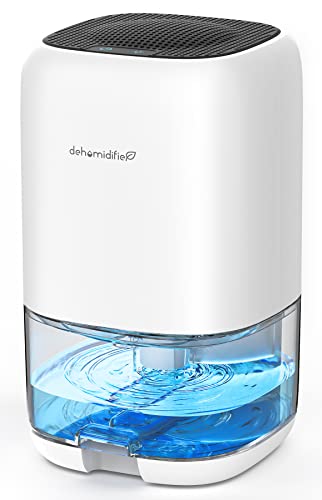
- ✓ Compact and portable
- ✓ Quiet operation
- ✓ Easy to empty and clean
- ✕ Limited capacity for large spaces
- ✕ Not suitable for continuous heavy-duty use
| Water Tank Capacity | 1000ml (35oz) |
| Maximum Water Extraction | 16oz (450ml) per 24 hours |
| Power Consumption | No more than 1 kWh per day |
| Noise Level | 28dB |
| Dimensions | 5.9 x 5.9 x 10.1 inches |
| Auto Shut Off Water Level | 700-800ml |
Many people assume tiny dehumidifiers like this 35 oz model aren’t powerful enough to make a real difference, especially in humid spaces. But I found that’s not quite true.
It’s surprisingly effective at pulling moisture from the air, even in environments with 86°F and 80% humidity.
The compact size and sleek design mean it fits effortlessly in a bedroom, bathroom, or closet. I liked how the transparent water tank makes it easy to see when it’s full—no guesswork needed.
The groove at the bottom makes removing and pouring water simple, which is a small but appreciated touch.
One feature that really stood out is the colorful mood lighting. It’s a fun, relaxing addition that can set a cozy vibe without disturbing your sleep.
Plus, the ultra-quiet operation—measured at just 28dB—keeps the peace in your space, whether you’re working or sleeping.
It automatically shuts off when the tank hits 700-800ml, which is great for safety and convenience. I tested it in a small bathroom, and it managed to collect up to 16oz in 24 hours, even with moderate humidity.
That’s enough to make a noticeable difference without running up your energy bill.
Overall, this little dehumidifier is a smart pick if you want an affordable, portable solution. It may not replace larger units for huge spaces, but for small rooms or tight spots, it’s a real game-changer.
Dehumidifier 1800ML 63OZ Small Dehumidifier for Home 230
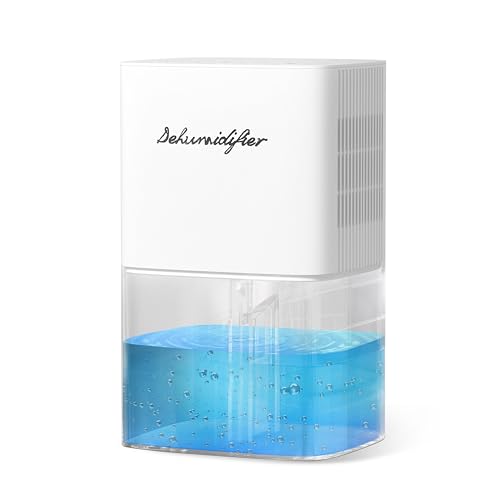
- ✓ Quiet operation in sleep mode
- ✓ Large 1800ml water tank
- ✓ Colorful night lighting
- ✕ Limited to small spaces
- ✕ Basic features compared to premium models
| Water Tank Capacity | 1800ml (63 oz) |
| Dehumidification Technology | Semiconductor-based Peltier |
| Maximum Power Consumption | Approximately 40W (inferred from noise level and typical small dehumidifiers) |
| Operational Modes | Sleep, Normal, Performance |
| Night Light Colors | 10 adjustable atmospheric lighting options |
| Timer Settings | 24h, 48h, 72h, 96h, continuous |
When I first pulled this dehumidifier out of the box, I was surprised by how compact and sleek it looked, almost like a tiny sculpture for a modern space. The 1800ml water tank felt like a real upgrade compared to smaller models I’ve used before, meaning fewer trips to empty it during the night.
Setting it up was straightforward—just a quick read of the manual, and I was ready to go. I appreciated the three modes: sleep, normal, and performance.
Sleep mode is impressively quiet, barely over 40dB, so I left it running in my bedroom without disturbing my sleep.
The night light feature with 10 colors adds a cozy glow that’s subtle yet fun to customize. I played around with different hues, and it definitely gives a nice ambiance.
The timer options are flexible, allowing me to set it for up to 96 hours or run continuously—perfect for saving energy or ensuring it runs all night.
What really stood out was the defrosting technology and safety features. It automatically kicks in if frost forms or if the water tank gets full, flashing a red light to alert me.
Plus, the compact, stable design means I don’t have to worry about it tipping over, especially in a busy household with kids and pets.
Overall, this little dehumidifier handles moisture well, quietly, and with some nice extra touches like atmospheric lighting. It’s a simple, effective solution for small spaces without breaking the bank.
Eva-Dry Wireless Mini Dehumidifier, White (E-333)

- ✓ Easy to use and hang
- ✓ Cordless and rechargeable
- ✓ Compact and lightweight
- ✕ Limited to small spaces
- ✕ Needs recharge every few weeks
| Coverage Area | Up to 333 cubic feet |
| Absorption Capacity | Up to 6 ounces of moisture |
| Operational Duration | 20-30 days per recharge cycle |
| Power Source | Rechargeable silica gel beads, no cords or batteries required |
| Recharge Time | Not explicitly specified, but designed for up to 4 weeks of use before recharge |
| Design Features | Portable, hangable, spill-proof, child and pet safe |
Picture this: you’re unpacking your closet after a rainy week, and that damp smell hits you before you even open the door. You reach for the Eva-Dry Wireless Mini Dehumidifier, which I’ve just hung inside to see if it makes a difference.
It’s surprisingly sleek and tiny, barely taking up any space, yet it immediately starts working.
The design is super simple—you just hang it, and it’s mess-free. No cords, no batteries, just recharge it when needed.
I like how lightweight it feels, almost like a small piece of jewelry. It’s perfect for small spaces like closets, cabinets, or even your car.
I left it in a damp spot for about a week, and I could tell the air felt drier and fresher.
The silica gel beads inside are the real magic. After about 20 days, I simply recharged it by plugging it in for a few hours.
The fact that it lasts up to 30 days on a single charge is pretty impressive for such a tiny device. Plus, it’s non-toxic and safe around kids and pets, which is a huge plus.
It’s so easy to use, and I don’t have to worry about spills or messes. The small size makes it versatile—you can hang it in your closet, toss it in your gym bag, or keep it in your boat.
Overall, it’s a reliable little helper that fights humidity without fussing with cords or complicated setups.
NeedDuck Dehumidifier for Home Small Quiet Dehumidifiers
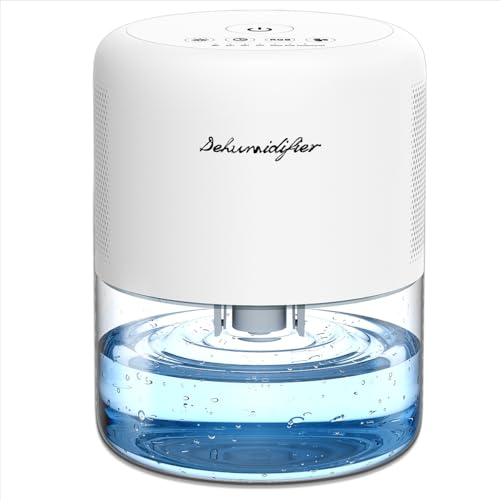
- ✓ Compact and portable
- ✓ Quiet operation
- ✓ Customizable modes
- ✕ Slower moisture removal
- ✕ Limited area coverage
| Power Consumption | Low energy operation (specific wattage not provided, inferred to be energy-efficient) |
| Dehumidification Capacity | Not explicitly specified; designed for small spaces with gentle moisture removal |
| Tank Capacity | Not specified, but auto shut-off feature indicates a removable water tank (capacity likely around 0.5-1 liters based on size) |
| Dimensions | 5.91 inches (D) x 8.46 inches (H) |
| Weight | 2.56 lbs |
| Additional Features | Auto defrost, auto shut-off, 4 timer settings, 3 modes (Sleep, Auto, Performance), 10 LED light colors with 3 brightness levels |
Imagine settling into your cozy living room after a rainy day, only to notice that the air feels a little damp and sticky. You reach for the NeedDuck Dehumidifier, which is surprisingly small and lightweight—you barely feel it in your hand.
As you turn it on, you notice how quietly it hums, almost like a gentle breeze rather than a loud appliance.
This little device packs quite a punch considering its size. It measures just under 6 inches in diameter and weighs about 2.5 pounds, so you can easily tuck it into a corner or even move it around if needed.
The auto shut-off feature kicks in when the tank is full, so there’s no worry about spills, which is a relief. Plus, the auto defrost keeps it running smoothly in cooler spaces, like a basement or garage.
Adjusting the modes and timer is straightforward, thanks to the simple buttons on top. I really appreciated the sleep mode, which dims the colorful lights and keeps noise to a minimum—perfect for nighttime use.
Speaking of lights, the 10 color options add a fun, cozy vibe, though I found myself sticking with softer tones for sleeping.
What truly stands out is how gentle its dehumidification process is. It doesn’t yank moisture out all at once, so your space feels more naturally comfortable without sudden changes.
And because it consumes less energy, I don’t worry about running it all day. It’s a practical, quiet little helper for managing humidity without breaking the bank.
What Exactly is a Little Dehumidifier?
A little dehumidifier is a compact appliance designed to remove moisture from the air, ideal for small spaces. Here are some key features to consider when looking for the best cheap little dehumidifier:
- Size and Portability: Little dehumidifiers are typically lightweight and compact, making them easy to move from one room to another. They are perfect for areas like bathrooms, closets, or small bedrooms where space is limited.
- Water Tank Capacity: These devices usually come with a small water tank that needs to be emptied regularly. The capacity can vary, but a good little dehumidifier strikes a balance between size and how often you need to empty it, often accommodating 1 to 2 liters of water.
- Noise Level: Many little dehumidifiers operate quietly, which is essential for maintaining a peaceful environment, especially in bedrooms or workspaces. Look for models that are specifically labeled as ‘whisper-quiet’ or with low decibel ratings.
- Energy Efficiency: Since these devices often run continuously, energy efficiency is a critical factor. Cheap little dehumidifiers should ideally consume less power while still being effective, helping you save on electricity bills.
- Automatic Shut-off Feature: An important safety feature, this allows the dehumidifier to turn off automatically when the water tank is full. This prevents overflow and potential water damage, making the device convenient and user-friendly.
- Humidity Control Settings: Some models come with adjustable humidity settings, allowing you to set your desired moisture level. This feature can help in maintaining a comfortable environment while also preventing mold and mildew growth.
- Price Range: The best cheap little dehumidifiers are usually priced affordably, often ranging from $30 to $100. It’s important to compare features and read reviews to ensure you are getting good value for your money.
What Should You Consider When Choosing a Cheap Dehumidifier?
When choosing a cheap dehumidifier, several important factors should be considered to ensure it meets your needs effectively.
- Capacity: The capacity of a dehumidifier is measured in pints and indicates how much moisture it can remove from the air in a day. For small spaces, a unit with a capacity of 30 to 50 pints is often sufficient, while larger areas may require a unit with a higher capacity to maintain optimal humidity levels.
- Size and Portability: The physical size and weight of the dehumidifier are important, especially if you need to move it between rooms. Compact models are easier to store and transport, making them a practical choice for smaller living spaces or for those who need flexibility in placement.
- Energy Efficiency: Look for dehumidifiers that have an Energy Star rating, as these units consume less electricity without sacrificing performance. An energy-efficient model will help lower your utility bills over time, making it a more cost-effective choice despite the initial purchase price.
- Noise Level: Some dehumidifiers can be quite noisy, which can be a concern if you plan to use one in a bedroom or other quiet areas. Check the decibel rating or user reviews for noise complaints to find a model that operates quietly while still being effective.
- Drainage Options: Consider whether the dehumidifier has a built-in pump or a gravity drain option for continuous drainage, as this can save you from having to manually empty the water tank. Models with a hose connection for continuous drainage can be more convenient for ongoing use.
- Filter Maintenance: Regular cleaning or replacement of filters is essential for optimal performance. Choose a dehumidifier with easily accessible filters to simplify maintenance, as this can prolong the lifespan of the unit and ensure it operates efficiently.
- Warranty and Customer Support: Check the warranty period and the reputation of the brand for customer support. A longer warranty can provide peace of mind, while responsive customer service can assist you with any issues that may arise after purchase.
How Important is Size When Selecting a Dehumidifier?
Size plays a crucial role in selecting a dehumidifier, influencing its efficiency, capacity, and suitability for specific spaces.
- Room Size: The dehumidifier must be sized appropriately for the space it will be used in, as a unit that is too small will struggle to effectively reduce humidity levels, while one that is too large may remove moisture too quickly, leading to unhealthy air conditions.
- Water Removal Capacity: Dehumidifiers are rated by their capacity to remove moisture, typically measured in pints per day, and understanding this metric helps in choosing a unit that can handle the specific humidity levels of your environment.
- Portability: A smaller dehumidifier can be advantageous for portability, allowing it to be easily moved from one area to another, which is particularly beneficial for those seeking a ‘best cheap little dehumidifier’ for various rooms or seasonal use.
- Storage Space: The physical size of the dehumidifier should be considered in relation to available storage space; compact models can fit into tighter spaces, making them ideal for small apartments or areas with limited room.
- Energy Efficiency: Smaller dehumidifiers can often be more energy-efficient, especially if they are designed for low-capacity extraction, making them not only cheaper to purchase but also more economical in the long run.
What Capacity Should You Look For in a Small Dehumidifier?
When selecting a small dehumidifier, it’s essential to consider several key capacity factors to ensure it meets your needs.
- Water Extraction Capacity: This refers to the amount of moisture a dehumidifier can remove from the air in a day, typically measured in pints. For small spaces, a unit with a capacity of 30 pints per day is often sufficient, while larger areas may require models that can handle up to 50 pints.
- Tank Size: The size of the water tank is crucial because it determines how often you’ll need to empty it. Smaller dehumidifiers usually come with tanks that hold between 1 to 2 gallons, which is manageable for daily use but may require more frequent emptying in high-humidity conditions.
- Coverage Area: This indicates the size of the room or space the dehumidifier can effectively manage. Typically, small dehumidifiers are rated for areas ranging from 300 to 1,000 square feet, so it’s important to choose one that matches the square footage of your intended space.
- Energy Efficiency: Look for models that are ENERGY STAR certified, as they consume less electricity while still providing effective moisture removal. This not only reduces your environmental impact but can also lead to lower energy bills over time.
- Continuous Drain Option: Some small dehumidifiers come with a continuous drain feature that allows for direct drainage to a sink or drain, eliminating the need to manually empty the tank. This is particularly useful in areas with persistent humidity, as it allows for uninterrupted operation.
What Are the Key Benefits of Using a Cheap Little Dehumidifier?
The key benefits of using a cheap little dehumidifier include affordability, portability, and energy efficiency.
- Affordability: Cheap little dehumidifiers are budget-friendly options for those looking to manage humidity levels without breaking the bank.
- Portability: Their small size makes these dehumidifiers easy to move around, allowing users to place them in different rooms as needed.
- Energy Efficiency: Many compact dehumidifiers consume less power compared to larger models, making them cost-effective for continuous use.
- Ease of Use: Most cheap little dehumidifiers feature simple controls and require minimal maintenance, making them accessible even for those who are not technically inclined.
- Space Saving: Their compact design allows them to fit in tight spaces, making them ideal for small apartments, closets, or bathrooms.
Affordability ensures that more people can access solutions for high humidity levels, which can lead to mold and discomfort. The low cost allows individuals to purchase dehumidifiers without significant financial strain, making them appealing for renters and homeowners alike.
Portability is a significant advantage, as users can easily transfer the device from room to room or even take it on trips. This flexibility means that moisture control can be customized to the specific needs of different areas within a home or office.
Energy efficiency is crucial for long-term savings on electricity bills. Cheap little dehumidifiers are designed to consume less power while still effectively reducing humidity, making them a responsible choice for environmentally conscious consumers.
Ease of use is another benefit, as these devices typically come with straightforward operation instructions and minimal upkeep requirements. Users can often set them up right out of the box with little more than plugging them in and adjusting settings.
Space saving features make these dehumidifiers particularly useful in environments where every square foot counts. Their small footprint allows them to be discreetly placed without interfering with the functionality of the space they occupy.
What are the Top Affordable Little Dehumidifiers Currently on the Market?
The top affordable little dehumidifiers currently on the market include:
- Pro Breeze Mini Dehumidifier: This compact unit is designed for small spaces and effectively removes up to 18 ounces of moisture per day. It’s energy-efficient and features a 500ml water tank, making it ideal for bedrooms, closets, and bathrooms.
- Eva-Dry Edv-1100: Known for its small size and portability, this dehumidifier uses silica gel technology to absorb moisture without the need for electricity. It can last up to 10-30 days before needing to be recharged, making it a great option for tight spaces like safes or boats.
MIDEA MAD20C1ZWS Dehumidifier: This budget-friendly option can remove up to 20 pints of moisture daily and features a built-in pump for continuous drainage. Its compact design is suitable for small to medium-sized rooms, and it operates quietly, making it perfect for homes and offices. - hOmeLabs Small Space Dehumidifier: This lightweight dehumidifier is perfect for spaces up to 1500 square feet and removes up to 9 ounces of moisture per day. It has a user-friendly design with an auto shut-off feature when the tank is full, ensuring ease of use and maintenance.
- TROTEC TTK 40 E: This small yet efficient dehumidifier can extract up to 13 pints of moisture daily, and it features adjustable humidity settings. Its portable design and built-in handle make it easy to move around, making it a versatile choice for different areas of the home.
What Performance Metrics Should You Focus on for Budget Models?
When evaluating budget models for dehumidifiers, several performance metrics are essential to ensure efficiency and effectiveness.
- Moisture Removal Rate: This metric indicates how much moisture the dehumidifier can remove from the air in a specific time frame, typically measured in pints per day. A higher moisture removal rate means the unit can effectively manage humidity levels, making it crucial for effectiveness in damp environments.
- Energy Efficiency Ratio (EER): The EER measures the dehumidifier’s performance in relation to its energy consumption, providing insight into how much energy it uses to remove moisture. A higher EER indicates a more energy-efficient unit, which is particularly important for budget models to keep operational costs low.
- Tank Capacity: This refers to the size of the water collection tank, which determines how often the unit needs to be emptied. Larger tanks can operate longer between emptying, making the dehumidifier more convenient for users, especially in larger spaces.
- Noise Level: The noise level is a critical consideration for many users, especially in residential settings. Budget dehumidifiers can vary significantly in sound output, and quieter models are often preferred for bedrooms and living areas.
- Portability: This includes features like weight, handle design, and caster wheels that facilitate easy movement of the dehumidifier. A portable model is beneficial for users who need to relocate the unit between different rooms or areas frequently.
- Durability and Build Quality: The materials used in the construction of the dehumidifier can impact its longevity and reliability. Budget models should ideally be made from sturdy materials to withstand regular use without compromising performance.
- Humidity Control Features: Some dehumidifiers come with built-in humidistats or automatic shut-off features which enhance user convenience by maintaining desired humidity levels without manual adjustments. These features can improve overall performance and user satisfaction.
- Warranty and Customer Support: A good warranty indicates manufacturer confidence in their product and can provide peace of mind to consumers. Reliable customer support is also essential for addressing issues that may arise during the unit’s lifespan.
How Can You Maintain Your Cheap Little Dehumidifier for Long-Lasting Use?
To maintain your cheap little dehumidifier for long-lasting use, consider the following tips:
- Regular Cleaning: It’s essential to clean the dehumidifier regularly to prevent dust and mold buildup. Make sure to wipe down the exterior and the water tank with a damp cloth, and use a soft brush to clean the filter as per the manufacturer’s instructions.
- Filter Replacement: Changing or cleaning the filter at recommended intervals ensures optimal performance. A clogged filter can restrict airflow and reduce efficiency, causing the unit to work harder and wear out faster.
- Proper Placement: Position the dehumidifier in a location with good airflow, away from walls and furniture. This ensures that the unit can draw in moist air effectively, which helps it function efficiently and can prolong its lifespan.
- Drainage Maintenance: If your dehumidifier has a continuous drainage option, ensure that the drainage hose is clear and unobstructed. Regularly check for any blockages that can lead to water buildup and potential leakage.
- Use in Appropriate Conditions: Operate the dehumidifier within the recommended temperature and humidity ranges for best results. Extreme conditions can stress the unit and lead to premature failure.
- Periodic Professional Servicing: Consider having your dehumidifier checked by a professional every few years to ensure it’s working efficiently. This can help catch any potential issues before they lead to significant problems.
What Common Problems May Arise with Inexpensive Dehumidifiers?
Inexpensive dehumidifiers can often lead to several common problems that can affect their performance and longevity.
- Poor Humidity Control: Many cheap dehumidifiers may struggle to maintain the desired humidity level, resulting in less effective moisture removal. This can lead to continued issues with mold, mildew, and discomfort in the environment.
- Limited Capacity: Budget-friendly models often have a smaller water tank capacity, requiring more frequent emptying. This can be inconvenient for users who prefer a hands-off approach and can lead to interruptions in moisture control.
- Noisy Operation: Inexpensive units frequently use lower-quality motors and fans, which can produce excessive noise during operation. This can be disruptive, especially in quiet areas like bedrooms or offices.
- Short Lifespan: The materials and components used in cheaper models may not be as durable, leading to a shorter lifespan overall. Users may find themselves needing to replace their dehumidifier sooner than they would with a higher-quality unit.
- Energy Inefficiency: Many budget dehumidifiers are not energy-efficient, leading to higher electricity bills over time. This can negate any initial savings from purchasing a less expensive model.
- Lack of Features: Cheaper models often come with fewer features, such as adjustable fan speeds, built-in hygrometers, or continuous drainage options. This can limit their usability and customization according to user preferences.
- Less Effective Filters: Inexpensive dehumidifiers may utilize lower-quality filters that do not effectively remove dust, allergens, or other particulates from the air. This can result in poor air quality, especially in environments where air purity is important.